Israeli airstrikes in southern Lebanon kill 11 people including children
Israeli airstrikes across southern Lebanon killed 11 people, including three children, prompting condemnation from Lebanese officials and vows of retaliation.
- Core Development: Israeli airstrikes across southern Lebanon killed 11 people, including three children, prompting condemnation from Lebanese officials and vows of retaliation.
- Beat Context: Categorized under World with independent corroboration.
- Reporting Depth: 3 minute analytical read synthesized from verified newsroom sources.
Israeli airstrikes across southern Lebanon killed 11 people, including three children, on Saturday, August 15, 2026.
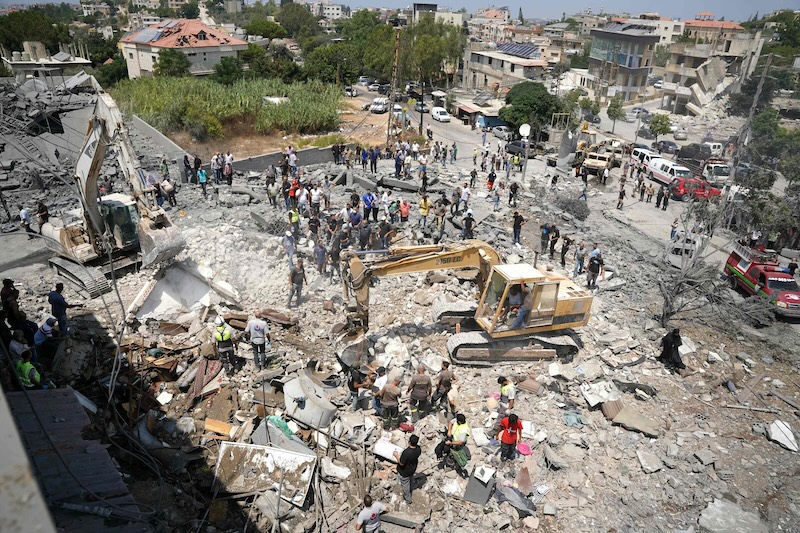
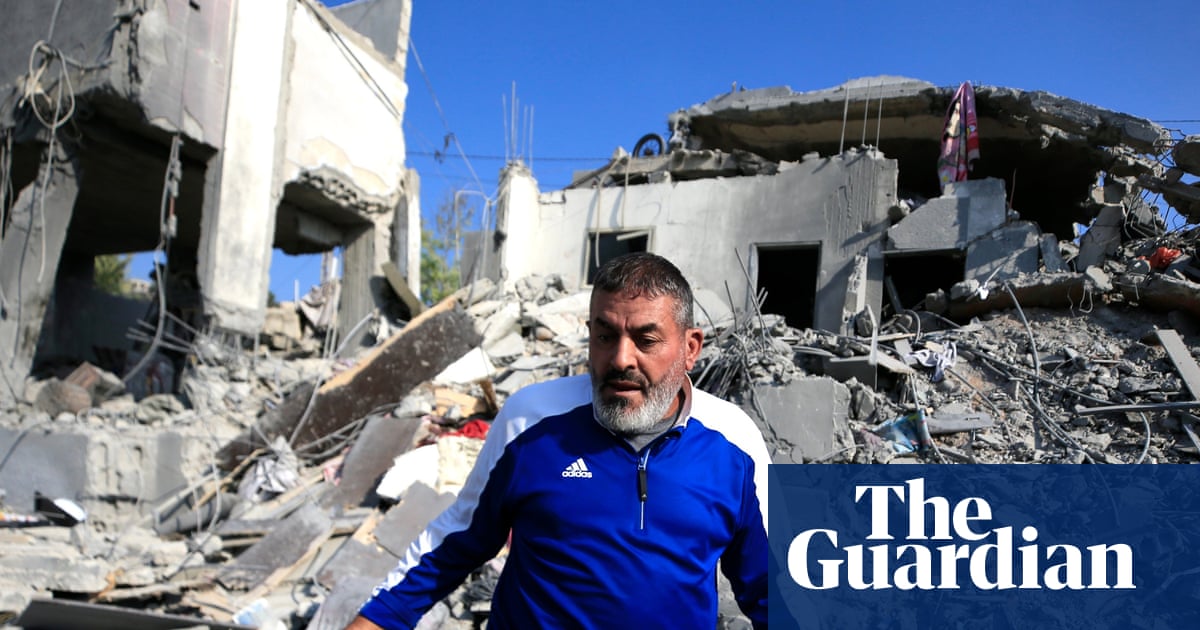
The escalation struck multiple locations in southern Lebanon. An early morning airstrike flattened a home on the outskirts of Ansar in the Nabatieh district, killing seven people. Abbas Khalil stated he was doing his early morning Islamic prayers when the strike hit. Building owner Mohammed Saab explained he waited every year to rent out the property over the summer. A later strike hit Deir al-Zahrani, killing multiple people and wounding others. Lebanon’s Health Ministry placed the combined number of wounded across both locations at 19.
Media additions
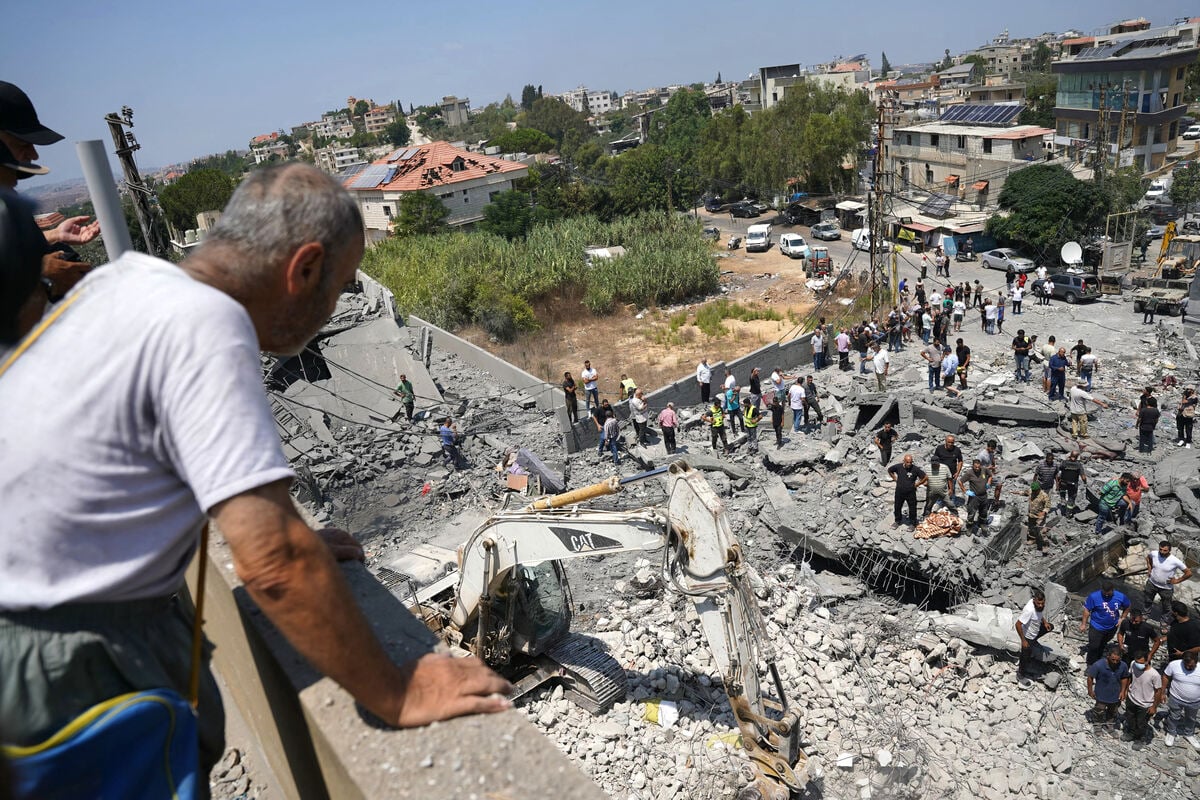
Additional strikes targeted the Ali al-Taher ridge, a strategic hill overlooking the Nabatieh area, as well as a valley between Ansar and Zarariyeh. Lebanese state media reported that the strike on the valley was the first to reach that geographical depth inside southern Lebanon since the June ceasefire framework. Residents fleeing north choked the roads out of Nabatieh following the attacks. In Bint Jbeil near the border, Israeli forces destroyed homes and fired towards houses along the Kounine-Saf al-Hawa road.
The Israeli military stated that the raids were carried out in response to an action by Hezbollah against Israeli soldiers in the Ali al-Taher Ridge area. However, Lebanese Prime Minister Nawaf Salam strongly rejected the characterisation.
"The seven martyrs of the Israeli strike on the town of Ansar were not 'military infrastructure' and the children and women killed were not military targets,"
Nawaf Salam, Lebanese Prime Minister, via Helsinkitimes
Salam condemned the operation as extremely dangerous and warned that it undermined stability in the south. Lebanese President Joseph Aoun similarly accused Israel of repeated violations of the cessation framework, noting the impact on US-backed negotiations between the two nations.
Hezbollah also denounced the attacks and vowed an appropriate response. In a statement reported by Helsinkitimes, the group argued that the Israeli enemy must understand its actions cannot continue. Hezbollah leadership simultaneously criticised the Lebanese government's direct talks with Israel. Earlier, Hezbollah chief Naim Qassem criticised the June framework in a speech, describing it as an Israeli directive signed by Lebanese authorities and accusing the state of exposing the national army to undue pressure.
Broader regional context highlights deep divisions over the permanence of Israeli military positions. Israeli Defence Minister Israel Katz vowed during a visit to southern Lebanon that forces would remain in the occupied territory until Hezbollah disarms. Conversely, a US State Department official stated that a permanent Israeli military presence in south Lebanon would conflict with commitments made in the framework agreement.
Hostilities began after Hezbollah struck Israel with rockets on March 2 in retaliation for the killing of Iran’s supreme leader. Israel responded with an aerial campaign and ground invasion that Lebanese authorities report have killed more than 4,300 people.
- Negotiations: Israel and Lebanon are to hold an eighth round of US-sponsored negotiations in Rome early next month.
- Military Posture: Hezbollah has warned of retaliation, while Israeli leadership insists on maintaining troops in the border security zone.
- Peacekeeper Mandate: Human Rights Watch has urged the United Nations to maintain an international peacekeeping force in Lebanon before its mandate expires later this year.
How significant is this development?
Contribute your assessment to the aggregated reader sentiment ledger.
Frequently Asked Questions
Key questions answered in this reportWhat is the key development in: Israeli airstrikes in southern Lebanon kill 11 people including children?
Israeli airstrikes across southern Lebanon killed 11 people, including three children, prompting condemnation from Lebanese officials and vows of retaliation.
Why is this World development significant for the UK?
This report covers critical events in our World beat. Independent reporting monitors related UK statements, regulatory shifts, and public responses as further verified details emerge.
How was this reporting corroborated and verified?
Newsarchy UK compiles and cross-references reporting from primary reporting from theguardian.com and cross-checked wire reports. All coverage adheres to published editorial standards.
When was this report published?
This briefing was published on August 15, 2026 and is permanently cataloged in the Newsarchy UK World archives.