Israeli troops force families out of homes in Qusra amid settler siege
Israeli soldiers entered homes and ordered families to evacuate in the West Bank village of Qusra following a week-long settler siege that cut off power and water.

- Core Development: Israeli soldiers entered homes and ordered families to evacuate in the West Bank village of Qusra following a week-long settler siege that cut off power and water.
- Beat Context: Categorized under World with independent corroboration.
- Reporting Depth: 4 minute analytical read synthesized from verified newsroom sources.
Israeli troops force families from homes in Qusra amid settler siege
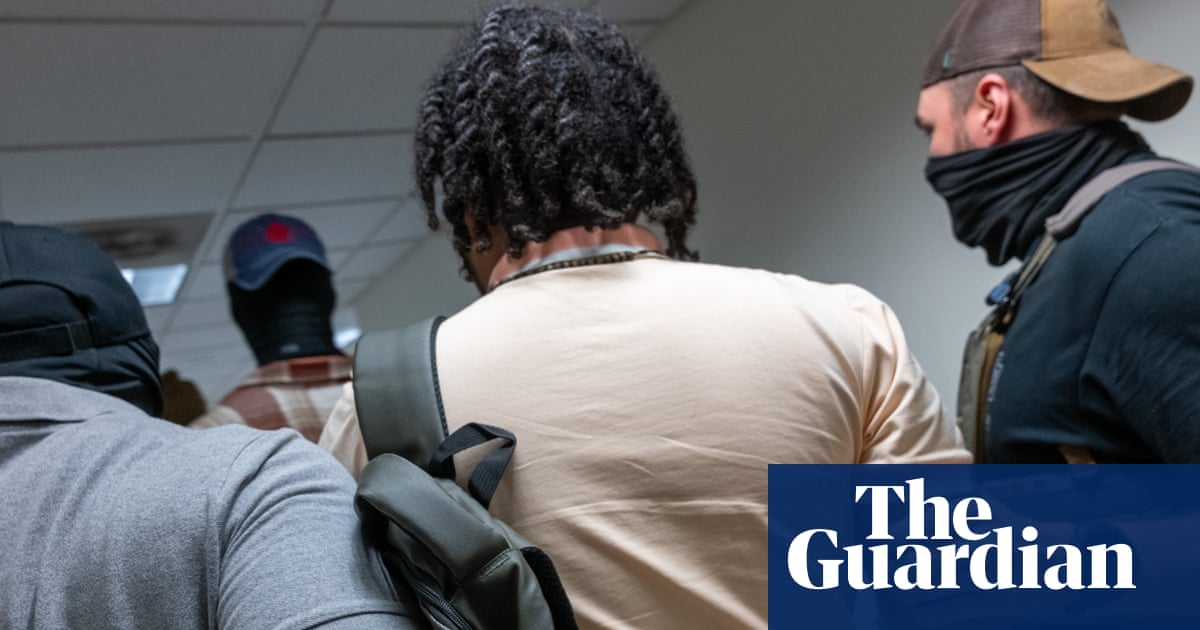
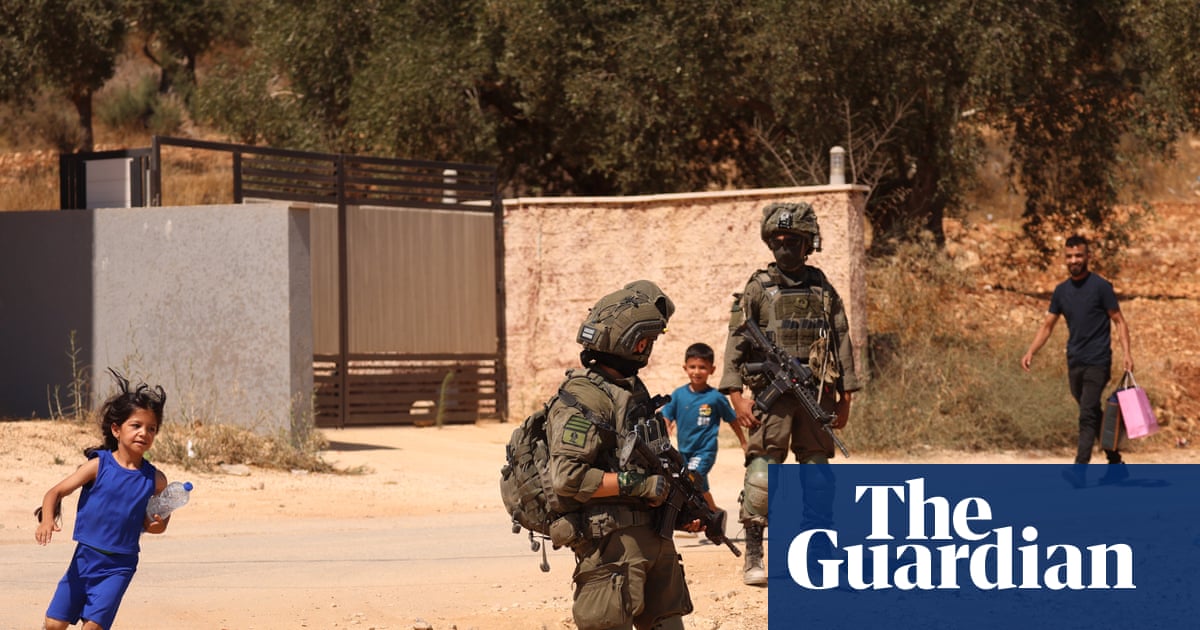
On Thursday, 13 August 2026, Israeli soldiers entered Palestinian homes in the West Bank village of Qusra and ordered residents to evacuate, telling them the properties were needed for a military operation. The escalation followed a multi-day siege by Jewish settlers who blocked roads to houses belonging to the Abu Ridi and Hassan families, erected a tent, and severed electricity and water supplies.
According to residents and local officials, the siege began on Sunday when settlers cut off utility supplies and prevented an ambulance from reaching a sick toddler. Footage from the village showed settlers throwing stones and attempting to dismantle a stone wall while Israeli security forces initially maintained a passive presence, with some soldiers even filmed praying alongside the settlers.
Media additions

How the siege unfolded
- Sunday – Settlers blocked the road to three homes on the edge of Qusra, set up a tent, and cut off electricity and water.
- Monday–Tuesday – Israeli soldiers arrived in the area, and some personnel were filmed praying with the settlers. The military subsequently announced that disciplinary action would be taken against those involved.
- Wednesday – Maj Gen Avi Bluth, who commands Israeli troops in the West Bank, visited Qusra and committed to evacuating the settlers. Security forces used tear gas and stun grenades in an attempt to clear the area, removing the settlers' canopy but leaving behind their equipment.
- Thursday (Morning) – Israeli troops took positions inside Palestinian homes, ordering families to leave for an operation projected to last until Sunday. Resident Qaher Odeh recounted that a large group of soldiers broke down his door and forced him out.
- Thursday (Afternoon) – Soldiers relinquished six of the homes they had occupied earlier in the day. Returning families reported extensive damage, including broken equipment, stolen cash, and a Qur'an with pages torn out.
Qusra Mayor Abdel Azim Wadi stated that the village had been declared a closed military zone and that Israeli forces were utilizing vacated Palestinian homes as barracks. The Israel Defense Forces (IDF) stated that soldiers were deployed to protect residents, noting that troops had dismantled two illegal outposts and detained an individual on the outskirts of Qusra and Jalud.
Official and diplomatic reactions
The situation drew sharp international condemnation, particularly concerning homes belonging to Palestinian-American citizens. U.S. Ambassador to Israel Mike Huckabee denounced the siege on social media, describing it as a horrific act of terror
carried out by Israeli terrorists and stating that security forces had intervened at U.S. Request.
"The actions of those doing this to this family's home is criminal,"
Mike U.S. Ambassador, via Yahoo
Despite diplomatic statements, local leaders remained sceptical. Community leader Abed Al Hakim Wadi dismissed the promises of intervention as media posturing, stating that pledged enforcement measures had not materialized on the ground. Meanwhile, an Israeli government spokesperson defended the official response, promising accountability.
"The Israeli army is acting against it, and we are investigating it and we will arrest those responsible and we will prosecute them,"
David Mencer, Israeli spokesman, via Yahoo
Domestic criticism within Israel also mounted. Former prime minister Ehud Olmert strongly denounced the events, characterizing them as a concerted and meticulous attempt at ethnic cleansing
and labeling them crimes against humanity supported by governmental indifference. Concurrently, IDF Chief of Staff Lt Gen Eyal Zamir recalled a battalion of infantry reservists from leave to reinforce troops across the West Bank.
Human impact and wider context
The disruption left approximately a dozen people sheltering together in single houses or displaced with relatives. Qusai Abu Ridi described being moved by the military into a single house before discovering that his security camera system had been damaged and equipment stolen upon his brief return. Another resident, Ruqiya Hasan, recorded a voice note requesting to be buried in her home should she be killed, intending her final resting place to stand as evidence against settler attacks.
The incident reflects a broader pattern of escalation across the West Bank. According to United Nations figures cited in the reporting, approximately 3,800 Palestinians—nearly half of them children—have been displaced in 2026 alone due to settler violence, demolitions, and evictions. Furthermore, 76 Palestinians, including 18 children, have been killed in the West Bank this year.
What to watch next
- Whether the IDF will lift the closed military zone status and withdraw all troops from Qusra homes by the Sunday deadline indicated to residents.
- Potential investigations and legal proceedings promised by Israeli spokespersons regarding soldiers who entered homes against directives.
- Ongoing diplomatic pressure from the United States following Ambassador Huckabee's intervention and demands for accountability.
- Responses from international organizations regarding the rising displacement of Palestinian communities driven by settler violence in the occupied territories.
How significant is this development?
Contribute your assessment to the aggregated reader sentiment ledger.
Frequently Asked Questions
Key questions answered in this reportWhat is the key development in: Israeli troops force families out of homes in Qusra amid settler siege?
Israeli soldiers entered homes and ordered families to evacuate in the West Bank village of Qusra following a week-long settler siege that cut off power and water.
Why is this World development significant for the UK?
This report covers critical events in our World beat. Independent reporting monitors related UK statements, regulatory shifts, and public responses as further verified details emerge.
How was this reporting corroborated and verified?
Newsarchy UK compiles and cross-references reporting from primary reporting from abc.net.au and cross-checked wire reports. All coverage adheres to published editorial standards.
When was this report published?
This briefing was published on August 13, 2026 and is permanently cataloged in the Newsarchy UK World archives.