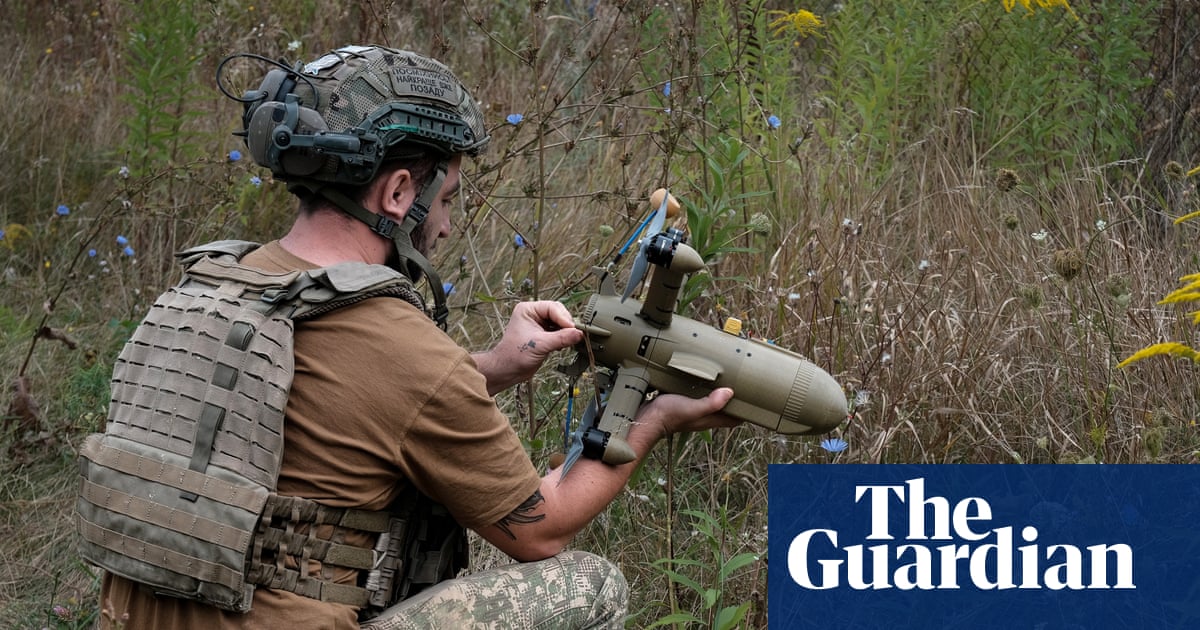
Italy suspends Schengen rules with Spain over Ceuta migrant crisis
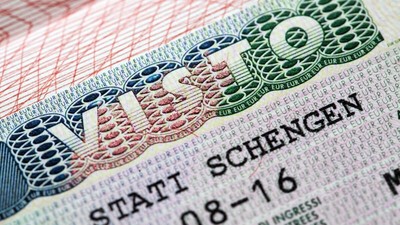
Italy has suspended the EU's Schengen free-travel arrangement with Spain, introducing emergency border checks following a massive migrant influx into Ceuta.
- Core Development: Italy has suspended the EU's Schengen free-travel arrangement with Spain, introducing emergency border checks following a massive migrant influx into Ceuta.
- Beat Context: Categorized under World with independent corroboration.
- Reporting Depth: 3 minute analytical read synthesized from verified newsroom sources.
Italy has suspended the European Union's Schengen free-travel arrangement with Spain, introducing targeted passport and border checks for travellers moving between the two nations by air and sea. The emergency measure, set to last for one month, was announced following a sudden and massive influx of migrants into the Spanish North African enclave of Ceuta, where tens of thousands of people crossed from neighbouring Morocco.
The decision was first signalled on Thursday evening by Italian Prime Minister Giorgia Meloni alongside Deputy Prime Ministers Antonio Tajani and Matteo Salvini. It received formal approval during a Friday morning meeting at the Interior Ministry in Rome, chaired by Interior Minister Matteo Piantedosi and based on security assessments from the Committee for Migration Analysis and Border Security.
Media additions

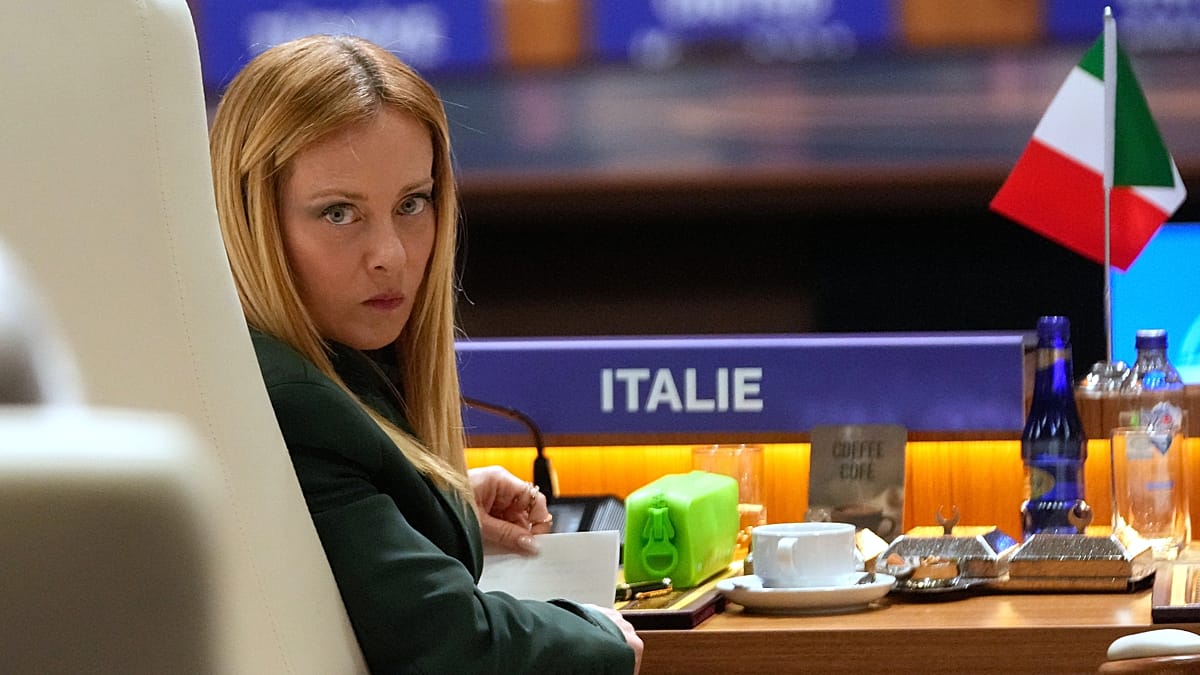
"The temporary suspension of Schengen with Spain is a necessary choice to safeguard the security of our citizens and defend the European borders. A measure provided for by the treaties and made unavoidable today,"
Antonio Tajani, Deputy Prime Minister, via Yahoo News
Although Italy does not share a land border with Spain, the suspension impacts maritime and air travel links. Border police have been directed to carry out selective checks on third-country nationals arriving from Spain to verify their documentation.
The move triggered an immediate diplomatic clash within the European Union. Spanish Prime Minister Pedro Sánchez strongly rejected the action on X, stating that respect for treaties and facts is not optional, while pointing to Frontex data indicating that Italy recorded higher numbers of irregular entries than Spain over a multi-year period spanning from 2021 to 2026. Spanish Foreign Minister José Manuel Albares condemned the suspension and summoned Italy's ambassador to Madrid for formal explanations.
Madrid's Foreign Ministry maintained that the crisis in Ceuta had no connection to the Spanish government's migrant regularisation policies, attributing the surge instead to criminal networks exploiting an interpretation of a recent Supreme Court ruling regarding migrants who entered the enclave by swimming.
France moved in tandem with Rome, with President Emmanuel Macron announcing that Paris would reinforce controls along its own land border with Spain while offering assistance to Spanish authorities. European Commissioner for Home Affairs Magnus Brunner noted that he was in close contact with Madrid, observing that special provisions in the Schengen Borders Code already apply to Ceuta and Melilla, with exit checks remaining in force.
Meanwhile, the Italian government's actions drew sharp domestic criticism. Centre-left lawmakers, including Piero De Luca and Laura Boldrini of the Democratic Party, dismissed the suspension as a demagogic gesture aimed at domestic consumption and pressured by far-right political competition. Conversely, hardline parties across Europe — including France's National Rally, Germany's Alternative for Germany, and the UK's Reform UK — praised the stance.
Key developments in the border dispute
- Italy suspended Schengen rules with Spain for one month, imposing air and sea border checks.
- France reinforced its land border controls with Spain in coordination with Rome.
- Spain summoned the Italian ambassador to Madrid in protest.
- Several EU states, including Finland, the Netherlands, Denmark, the Czech Republic, and Sweden, expressed support for Italy's position.
As governments across the continent grapple with the fallout from the North African enclave crisis, attention turns to upcoming diplomatic exchanges between Rome and Madrid, and whether further EU member states will adopt unilateral border restrictions.
How significant is this development?
Contribute your assessment to the aggregated reader sentiment ledger.
Frequently Asked Questions
Key questions answered in this reportWhat is the key development in: Italy suspends Schengen rules with Spain over Ceuta migrant crisis?
Italy has suspended the EU's Schengen free-travel arrangement with Spain, introducing emergency border checks following a massive migrant influx into Ceuta.
Why is this World development significant for the UK?
This report covers critical events in our World beat. Independent reporting monitors related UK statements, regulatory shifts, and public responses as further verified details emerge.
How was this reporting corroborated and verified?
Newsarchy UK compiles and cross-references reporting from primary reporting from ru.euronews.com and cross-checked wire reports. All coverage adheres to published editorial standards.
When was this report published?
This briefing was published on August 1, 2026 and is permanently cataloged in the Newsarchy UK World archives.