White House prepares executive action plans if Democrats win Congress
The Trump administration has developed a strategic contingency framework relying on executive power and legal defense if Democrats capture Congress.
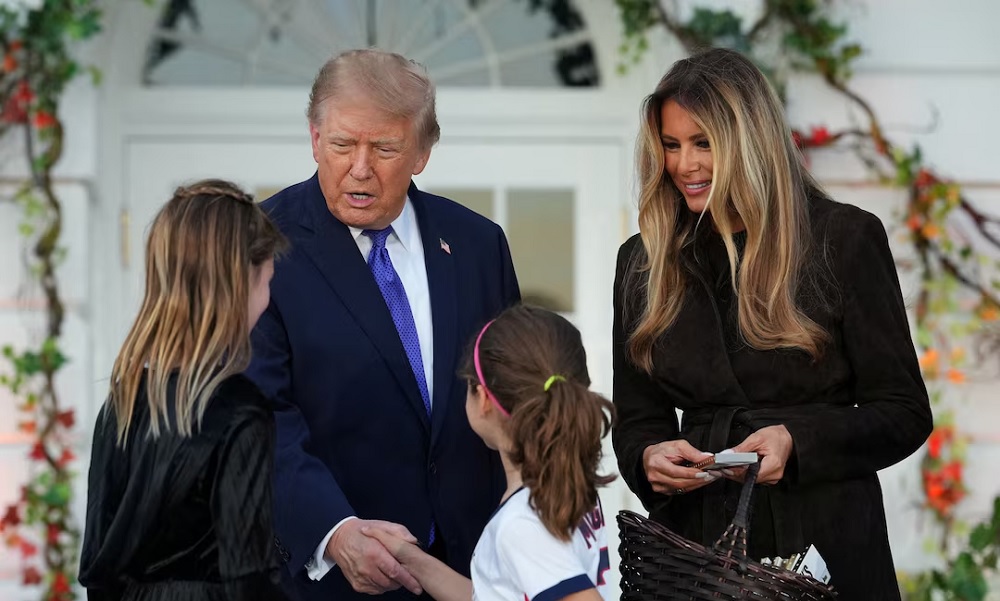
- Core Development: The Trump administration has developed a strategic contingency framework relying on executive power and legal defense if Democrats capture Congress.
- Beat Context: Categorized under World with independent corroboration.
- Reporting Depth: 4 minute analytical read synthesized from verified newsroom sources.
President Donald Trump’s administration has quietly spent months laying the groundwork to govern without Congress if Democrats capture the legislative branch, establishing a contingency framework that relies heavily on unilateral executive power and aggressive legal defense strategies, Ariananews reported citing a White House official and two people familiar with the plans. The covert strategic blueprint highlights the high stakes of the midterm elections, where control of Capitol Hill hangs in the balance while the executive branch prepares to shield its second-term agenda from congressional blockades, investigations, and spending constraints.
Senior officials — including deputy chief of staff Stephen Miller and budget director Russell Vought — have worked alongside the White House Counsel’s Office since April to identify executive actions that bypass lawmakers, according to sources familiar with the preparations. White House counsel Will Scharf and his legal team are examining the outer limits of presidential authority, focusing on immigration restrictions, tariffs on critical minerals and wind turbines, student and foreign worker visa rules, and measures to curb housing and construction costs. Vought, heading the US Office of Management and Budget, is reviewing previously appropriated funds and exploring grant rule adjustments that grant political appointees greater authority over taxpayer money.
Media additions

The strategic planning anticipates a divided Washington following midterm elections where Democrats need net gains to overturn Republican majorities. While opinion polls favor Democratic prospects in the House, the Senate contest remains tightly contested. Trump indicated his willingness to use his veto pen extensively before seeking compromises, remarking in an interview excerpt released on a Sunday podcast that he would become "Mr. Veto." The White House publicly dismissed suggestions of impending legislative losses, with spokeswoman Lauren Bis maintaining that the administration and its allies will continue to secure borders, restore law and order, and deliver financial relief to working Americans. Unilateral governance is not entirely novel for the administration, which has already leveraged executive orders for sweeping tariffs and foreign policy objectives, though a major tax and spending package previously required congressional passage.
Governance without a friendly legislature would also trigger intense oversight battles, prompting White House attorneys to brief political appointees on handling congressional inquiries, document requests, and subpoenas while seeking Justice Department opinions to invoke executive privilege. Nonpartisan analysts note that a Democratic Congress could paralyze executive and judicial nominations, though executive actions would face separate scrutiny in federal courts. Parallel executive powers and foreign policy maneuvers continue to intersect with international hotspots, including ongoing tensions with Iran where the administration weighs diplomatic channels against potential military action.
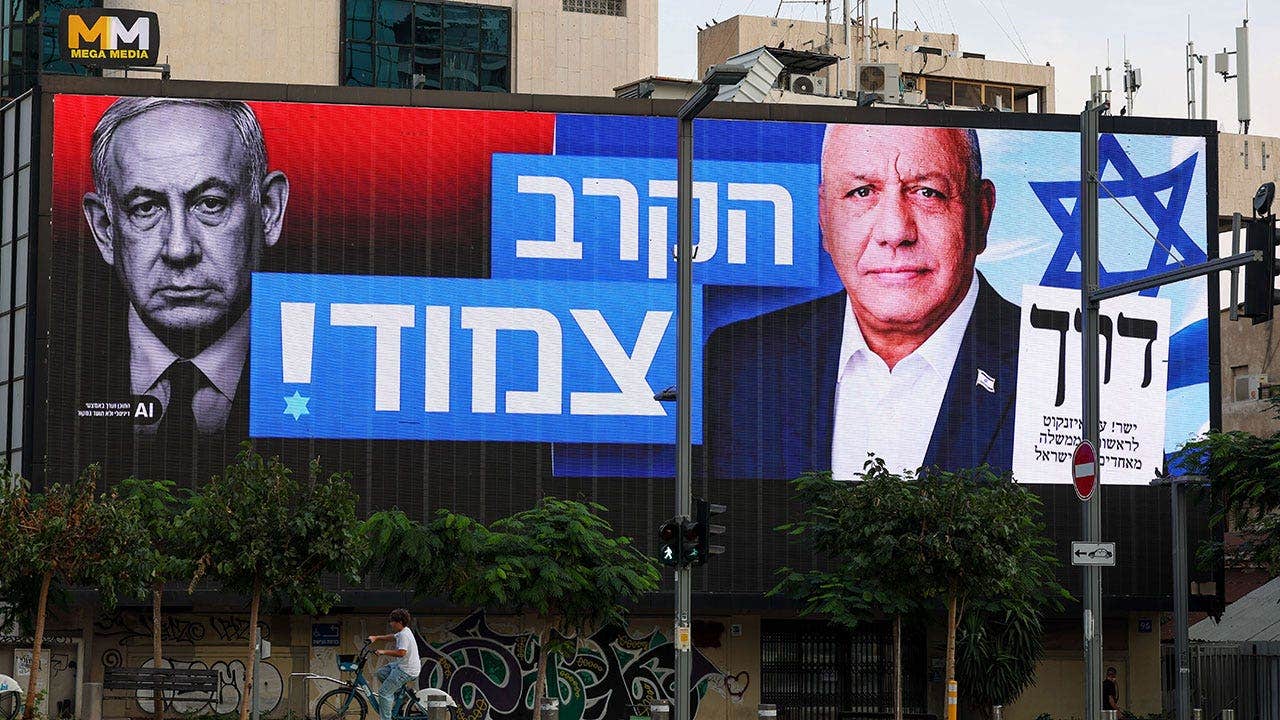
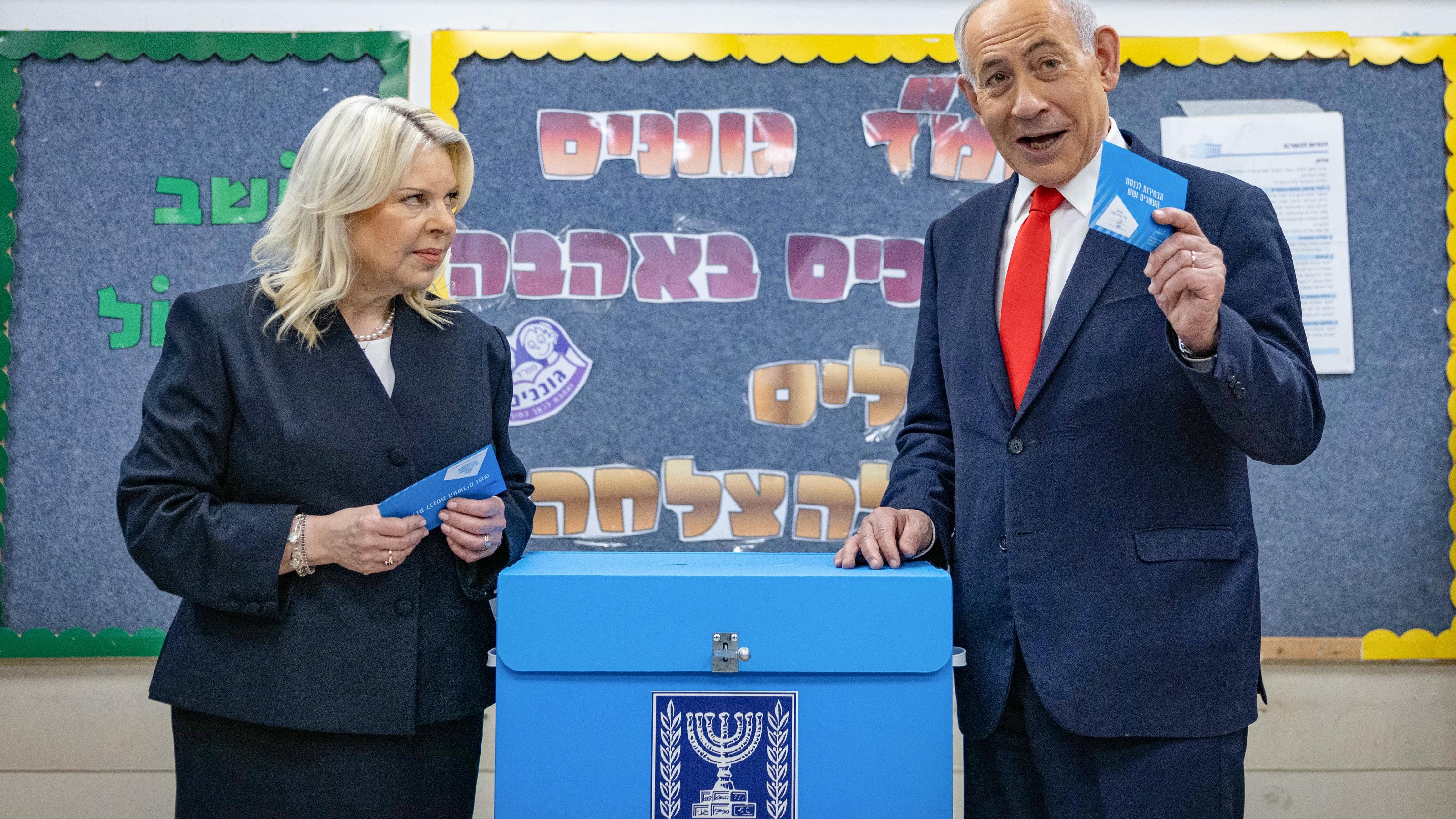
The domestic political gridlock in Washington mirrors severe political stalemates abroad, most notably in Israel, where the aftermath of the October 27 Knesset election has left the nation's political future hanging in the balance. Final results confirmed that Prime Minister Benjamin Netanyahu’s right-wing religious bloc fell short of a majority, securing 53 seats in the 120-member Knesset. Opposition challenger Gadi Eisenkot’s alliance captured 48 seats, while predominantly Arab parties secured a historic 19 seats, leaving both major figures without a clear path to power.
The intricate arithmetic of the Knesset deadlock has forced rival factions to weigh unconventional partnerships. Eisenkot laid down strict criteria for potential coalition partners, demanding recognition of Israel as a Jewish, democratic, and egalitarian state, a commitment to independence values, mandatory national service for all citizens, and the eradication of Hamas. While Netanyahu has vehemently criticized any cooperation with Arab lawmakers, denouncing overtures toward figures like Mansour Abbas, reports indicate that ultra-Orthodox parties and opposition figures are quietly exploring alternative minority government arrangements or outside parliamentary support.
| Bloc / Party | Knesset Seats Won | Core Leadership |
|---|---|---|
| Netanyahu-Led Right-Wing Bloc | 53 | Benjamin Netanyahu (Likud, 27 seats) |
| Eisenkot-Led Opposition Alliance | 48 | Gadi Eisenkot (Yashar, 21 seats) |
| Arab Parties (Joint List & Ra'am) | 19 | Mansour Abbas, Ahmad Tibi |
As political actors navigate these complex coalition talks, regional security concerns continue to cast a heavy shadow over diplomatic and executive maneuvers. Prime Minister Netanyahu has emphasized military imperatives and the prospect of joint action alongside Washington against regional threats, while critics within the Israeli opposition warn against intertwining security policy with domestic political survival. Concurrently, broader security discussions and diplomatic messaging between regional mediators and international partners highlight a fragile geopolitical environment where both American and Israeli leadership face profound structural tests.
What happens next depends on institutional deadlines and procedural handoffs. In Israel, official election results are scheduled to be presented to President Herzog, with the swearing-in of the 26th Knesset slated for November 10. In the United States, the immediate horizon is dominated by the midterm elections and the unfolding electoral tallies that will determine whether the White House must transition from legislative cooperation to executing its standalone executive action plans.
How significant is this development?
Contribute your assessment to the aggregated reader sentiment ledger.
Frequently Asked Questions
Key questions answered in this reportWhat is the key development in: White House prepares executive action plans if Democrats win Congress?
The Trump administration has developed a strategic contingency framework relying on executive power and legal defense if Democrats capture Congress.
Why is this World development significant for the UK?
This report covers critical events in our World beat. Independent reporting monitors related UK statements, regulatory shifts, and public responses as further verified details emerge.
How was this reporting corroborated and verified?
Newsarchy UK compiles and cross-references reporting from primary reporting from Time Magazine and cross-checked wire reports. All coverage adheres to published editorial standards.
When was this report published?
This briefing was published on November 2, 2026 and is permanently cataloged in the Newsarchy UK World archives.