Kazakhstan President Tokayev Urges Putin to Freeze Ukraine War
Kazakhstan's President Kassym-Jomart Tokayev has publicly urged Vladimir Putin to freeze hostilities in Ukraine and return to negotiations.
- Core Development: Kazakhstan's President Kassym-Jomart Tokayev has publicly urged Vladimir Putin to freeze hostilities in Ukraine and return to negotiations.
- Beat Context: Categorized under World with independent corroboration.
- Reporting Depth: 3 minute analytical read synthesized from verified newsroom sources.
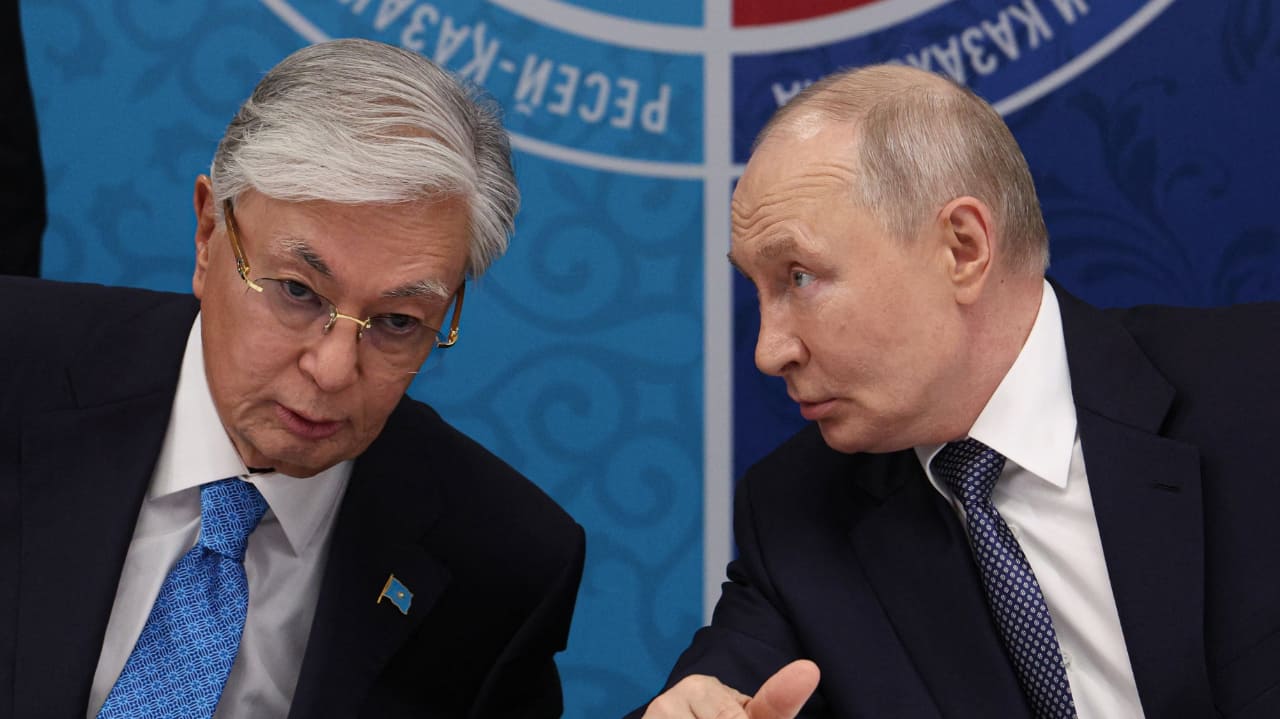
In a diplomatic shift that has reverberated across international markets and political circles, Kazakhstan's leadership has directly challenged Moscow's ongoing military campaign. As detailed in Cryptobriefing reporting, Kazakh President Kassym-Jomart Tokayev sat down with Vladimir Putin during a bilateral meeting at the Kazakhstan-Russia Interregional Cooperation Forum in Omsk, held on July 25. During the discussions, Tokayev urged the Russian leader to consider freezing hostilities in Ukraine.
This development marks a notable moment in regional geopolitics, expanding upon broader reporting found in our World coverage. Kazakhstan serves as Russia's most important partner in Central Asia, a fellow member of the Eurasian Economic Union, and a nation sharing a massive border with Russia. For such a close ally to publicly call for a halt to the fighting represents a distinct break in diplomatic ranks, particularly given that Tokayev framed his appeal around expressed concern for the Ukrainian people.
Media additions
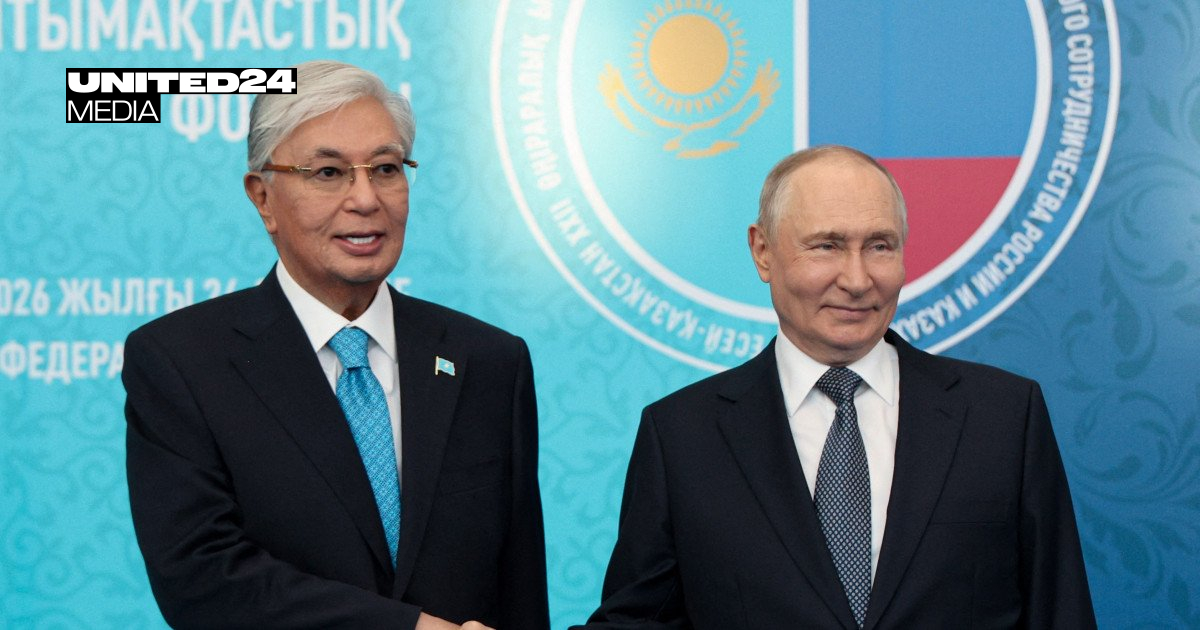
According to United24media, Tokayev presented his ceasefire proposal carefully as his personal opinion. He noted that he had received requests to act as a mediator before offering a possible path toward ending the war. "Since many people approach me, perhaps it is time to freeze this conflict and return to the Istanbul Formula 2.0, where significant results were achieved. Then, under guarantees from the major powers, including Russia, we could move toward the long-awaited peace," Tokayev said, according to the same reporting.
The reference centers on the historic Istanbul talks from spring 2022, which reportedly achieved meaningful progress before collapsing. By invoking an "Istanbul 2.0" format backed by international guarantees, Tokayev is implicitly arguing that a viable framework for peace already exists if political will can be reactivated. Furthermore, Tokayev referred to the situation explicitly as an "interstate conflict," a notable departure from Russia's insistence on describing its military actions as a "special military operation."
Broader Economic and Market Implications
The intervention carries significant implications for global trade, energy markets, and financial systems. Because Kazakhstan has quietly refused to recognize Russia's annexation of Ukrainian territories while welcoming Russian citizens fleeing mobilization, it has evolved into a vital node in the post-sanctions global economy. Many Western companies exiting Russia have rerouted their operations through the country, driving substantial increases in trade volumes as Kazakhstan acts as a conduit between sanctioned Russian entities and global markets.
According to Cryptobriefing, any movement toward a ceasefire or freeze in Ukraine would immediately raise pressing questions regarding the future of Western sanctions on Russia. Firms specializing in tracking sanctioned wallets and flagging Russian-linked transactions could see their business demand reshaped by any thaw. Simultaneously, Russia has turned increasingly to cryptocurrency and digital assets for cross-border payments to bypass traditional banking restrictions.
Energy markets also stand to react sharply to credible ceasefire signals, given that oil and natural gas prices remain volatile macro inputs for risk assets. Putin gave no public indication during the summit that he is receptive to the suggestion, as Russia has continued gaining ground on the battlefield and historically displays little interest in halting conflicts while perceiving military momentum.
What to Watch Next
- Monitor potential shifts in sanctions-related regulatory developments across Western jurisdictions.
- Keep track of energy price fluctuations and their subsequent impact on broader risk assets.
- Observe stablecoin flows through Central Asian exchanges, given Kazakhstan's crucial role as a financial intermediary between Russia and the wider global economy.
How significant is this development?
Contribute your assessment to the aggregated reader sentiment ledger.
Frequently Asked Questions
Key questions answered in this reportWhat is the key development in: Kazakhstan President Tokayev Urges Putin to Freeze Ukraine War?
Kazakhstan's President Kassym-Jomart Tokayev has publicly urged Vladimir Putin to freeze hostilities in Ukraine and return to negotiations.
Why is this World development significant for the UK?
This report covers critical events in our World beat. Independent reporting monitors related UK statements, regulatory shifts, and public responses as further verified details emerge.
How was this reporting corroborated and verified?
Newsarchy UK compiles and cross-references reporting from primary reporting from cryptobriefing.com and cross-checked wire reports. All coverage adheres to published editorial standards.
When was this report published?
This briefing was published on July 26, 2026 and is permanently cataloged in the Newsarchy UK World archives.