Libya reports second drone attack after Russian ship struck in Benghazi
Authorities in eastern Libya reported sea drone attacks targeting vessels in Benghazi, including a strike that caused a Russian corvette to capsize.

Authorities in divided Libya's east reported that an initial investigation indicated an onboard blast occurred while a Russian vessel was docked at the Benghazi naval base on Sunday, November 22, 2026. According to the eastern-based government, the ship had stopped at the port to refuel and resupply on its way back to Russia under existing maritime cooperation agreements. Two Libyan military officials told the Associated Press that the damaged vessel was the Russian Navy corvette Merkury. Naval specialist HI Sutton and satellite imagery providers assessed that the warship had capsized and almost completely sunk, with only its bow remaining visible above water.
Military sources reported that multiple unmanned surface vehicles were launched toward the target. Libyan officials stated that several drones were intercepted before two managed to strike the warship, triggering a powerful blast. Hours after the initial strike, authorities reported a second attack targeting a merchant vessel off the coast of Benghazi. Open-source intelligence analysts and local reports identified the second vessel as either the sanctioned Russian bulk carrier Ascalon or a Maltese-flagged commercial ship. Local naval and air force units reportedly intercepted more than a dozen explosive-laden sea drones during the evening operations.
Media additions

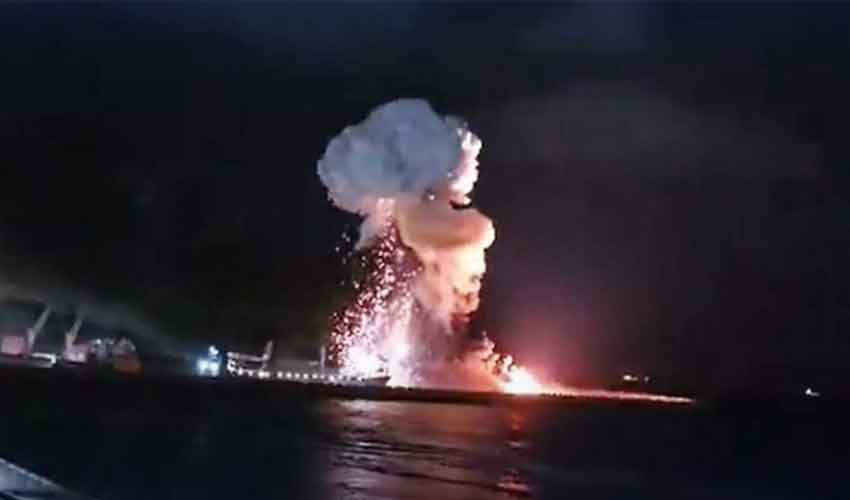
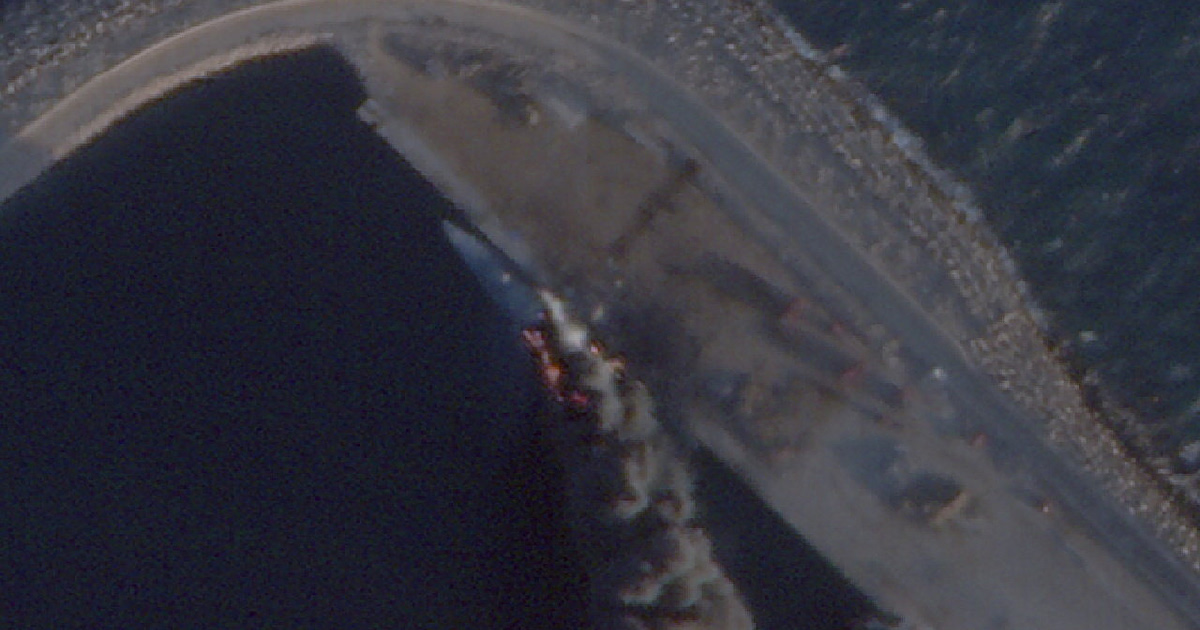
Medical sources indicated that individuals, including Russian and Libyan nationals, sustained minor injuries and received treatment. While Russian authorities offered no immediate comment and no group claimed direct responsibility, the incident drew immediate international attention. The United Nations Support Mission in Libya expressed serious concern over the attacks on port infrastructure and called for an immediate, independent, and transparent investigation.
| Incident Date | Location | Vessel Targeted | Reported Attack Mechanism |
|---|---|---|---|
| November 21, 2026 | Gulf of Finland (Baltic Sea) | Sparta II (Russian cargo ship) | Drone strike (Finnish attribution) |
| November 22, 2026 | Benghazi Naval Base, Libya | Merkury (Russian corvette) | Suspected sea drone attack |
| November 22, 2026 | Off Coast of Benghazi, Libya | Maltese-flagged / Ascalon | Sea drone strike / Interceptions |
Libya's fractured political landscape complicated the official response to the port attacks. The country has remained divided between the UN-recognized Government of National Unity in Tripoli and the rival administration in the east backed by military commander Khalifa Haftar. The eastern administration condemned the port strike as a violation of sovereignty and a threat to maritime safety, announcing plans to conduct a joint investigation with Russia while asserting that Libya was not a party to the broader war. Meanwhile, the Tripoli government warned against involving civilian ports and facilities in external conflicts, rejecting any use of national territory that might jeopardize state security or sovereignty.
Denys Sienik, a top Ukrainian diplomat, posted on social media that vessels transporting military equipment off the Libyan coast would no longer serve the Russian war machine. Vladyslav Vlasiuk, a sanctions policy adviser to Ukrainian leadership, remarked to the Kyiv Independent on the coincidence of sanctioned supply vessels encountering fires across different regions. Independent analysts noted that the attacks mirror previous maritime operations, pointing to earlier incidents including the sinking of a Russian-flagged liquefied natural gas carrier off Libya in March 2026 and a strike on a tanker in the Mediterranean in December 2025.
- Joint investigation planned between eastern Libyan authorities and Russian officials.
- Ongoing assessment of structural damage and environmental safety at Benghazi port facilities.
- Potential diplomatic and legal measures by the eastern administration regarding the security breach.
- Continued international monitoring of maritime traffic across the Mediterranean and North Africa.
Authorities in Benghazi stated that port warehouses and base infrastructure remained secure after emergency crews extinguished fires and cleared the affected areas. Normal port operations resumed as regional security forces maintained heightened patrols along the coast.