COP31 climate summit collapses after EU rejects text omitting fossil fuels
The COP31 climate summit collapsed in Antalya, Turkey, after the European Union walked out over a draft text that omitted explicit references to fossil fuels.
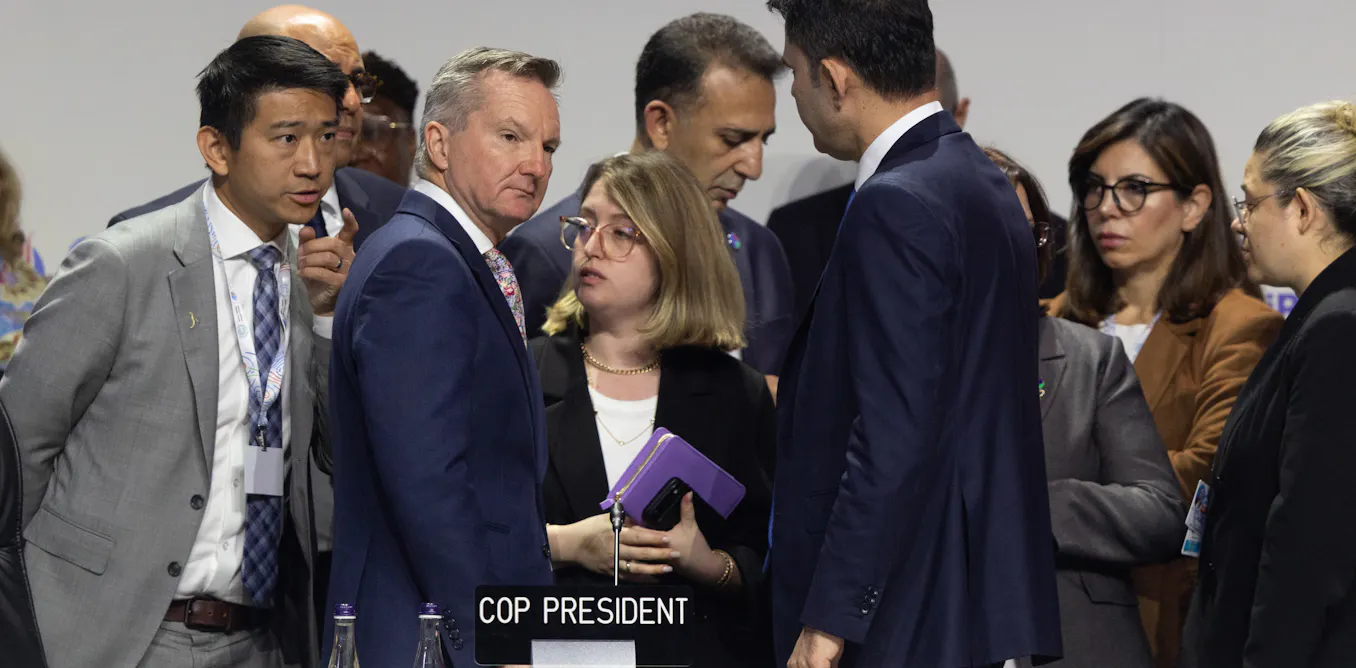
International climate negotiations collapsed in Antalya, Turkey, after the European Union rejected a draft text that omitted explicit references to fossil fuels, dealing a severe blow to global climate cooperation. Explore broader context on World coverage or catch up on COP31 climate talks stall as fossil fuel cuts removed from draft agreement.
The summit concluded on Sunday, 22 November 2026, after running approximately fifty hours past its scheduled Friday finish. This made it the longest conference in the history of United Nations climate summits, according to reporting from NPR and Wprl.
Media additions
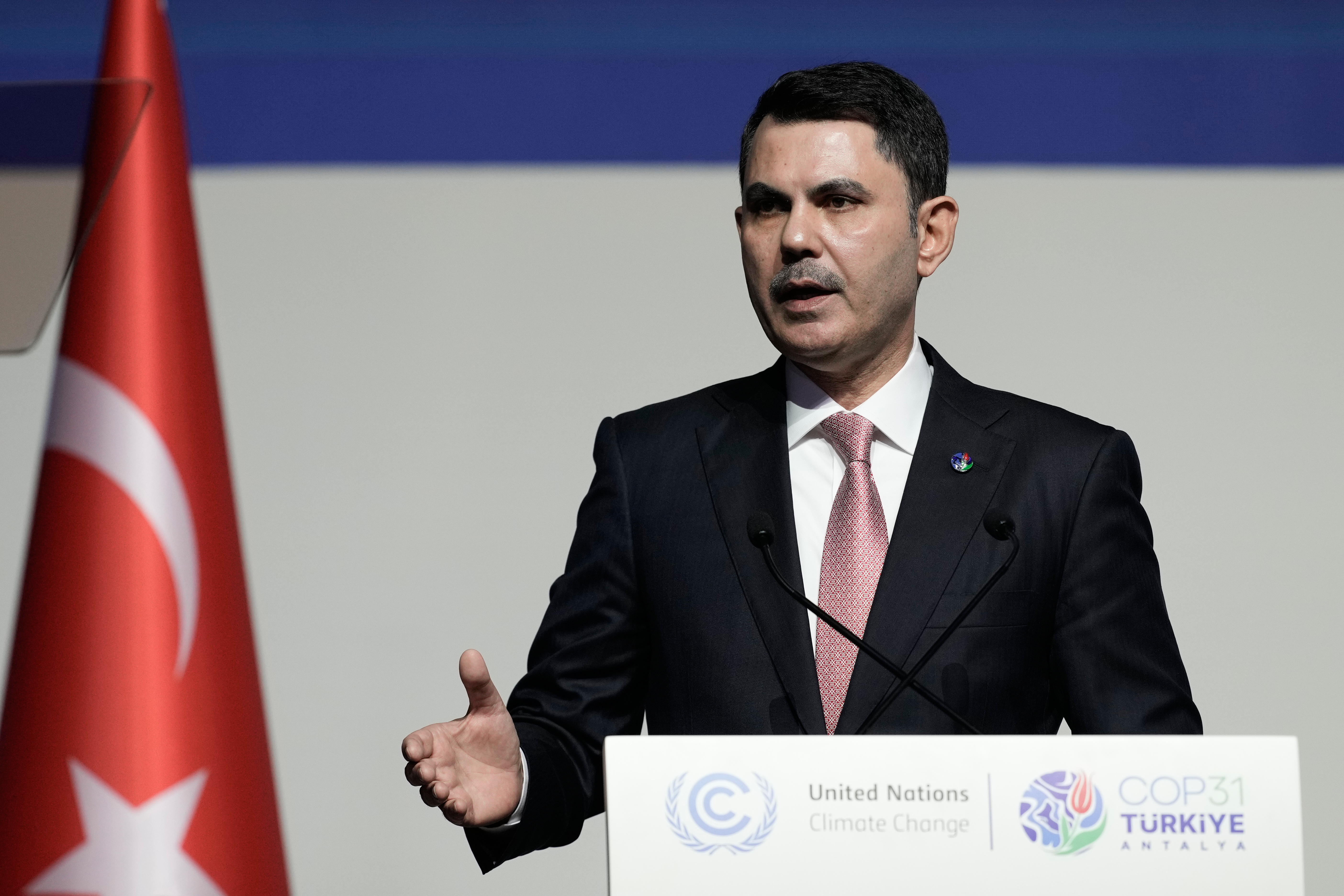

Negotiations stalled because consensus requires near-unanimous agreement among nearly two hundred countries. Major fossil fuel-producing states, including Saudi Arabia and Russia, blocked any language calling for a transition away from fossil fuels, as detailed by Theconversation. In response, European Union delegates led by Irish Minister for Climate, Energy and the Environment Darragh O'Brien and EU Climate Commissioner Wopke Hoekstra walked out of the plenary session, shattering the required consensus for the cover text proposed by the Turkish and Australian conveners.
The breakdown occurred against a backdrop of accelerating global warming. The summit marked the first UN conference where it was officially acknowledged that the world is on track to imminently surpass the 1.5°C threshold established during the 2015 Paris Agreement, as reported by Time Magazine and Oregon Public Broadcasting - OPB. Scientists warn that avoiding catastrophic impacts requires immediate emissions cuts and a dramatic reduction in fossil fuels, which account for roughly 73% of global emissions according to Aol.
The summit also grappled with severe financial shortfalls and sharp divisions over adaptation funding for developing nations. Poorer countries argued that rich nations failed to provide adequate resources to cope with intensifying weather disasters. For example, Pacific climate funds fell significantly short of their targets, and overall adaptation pledges lagged behind estimated needs.
| Metric / Goal | Target / Requirement | Observed Reality at COP31 |
|---|---|---|
| Global Warming Threshold | Limit warming to 1.5°C | Planet essentially at limit; 1.5°C overshoot imminent |
| Pacific Climate Fund (2026 Target) | $749 million | A$450 million short due to re-announced pledges |
| Global Electrification Goal | 35% by 2035 (from ~23%) | Pledge signed by many but omitted from failed cover text |
Reactions to the collapse varied across government delegations, legal experts, and civil society advocates. Outgoing UN Secretary-General António Guterres expressed deep disappointment over the lack of consensus, blaming powerful fossil fuel interests. Meanwhile, Lavanya Rajamani, a professor of international environmental law at the University of Oxford, noted that the impasse demonstrated a widening gap between climate science and political will. Youth representatives voiced profound frustration during the closing session, telling negotiators that they had been let down.
What happens next
- Nations will reconvene in November 2027 for the COP32 climate summit in Addis Ababa, Ethiopia, as noted by Theconversation and Time Magazine.
- Ireland and Tuvalu plan to co-host a follow-up meeting to the Santa Marta conference on transitioning away from fossil fuels prior to the next COP.
- Observers expect increased reliance on climate litigation—such as advisory opinions from the International Court of Justice—and decentralized state action to drive emission reductions outside formal UN negotiations.