LinkedIn romance scam victim loses nearly one million dollars over two years
A romance fraud victim lost close to one million dollars over two years following an initial connection on LinkedIn with a profile using stolen photos.
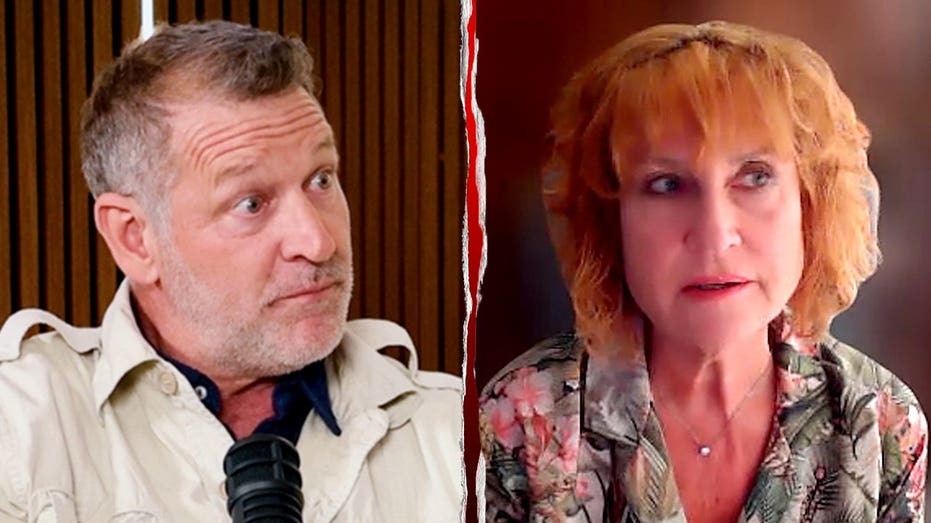
- Core Development: A romance fraud victim lost close to one million dollars over two years following an initial connection on LinkedIn with a profile using stolen photos.
- Beat Context: Categorized under World with independent corroboration.
- Reporting Depth: 4 minute analytical read synthesized from verified newsroom sources.
A sophisticated romance fraud orchestrated across business and social networking platforms has exposed vulnerabilities in digital verification, compounding a broader societal reckoning with synthetic media and online deception.
The deceptive enterprise came to light through the account of a participant known as Gaby, who shared her experience on a dedicated media report. The digital interaction began on 930 WFMD Free Talk, where she detailed how a seemingly innocuous outreach on LinkedIn bridged a sense of familiarity because the profile appeared linked to a former colleague. That small professional cross-reference offered unearned credibility, bypassing initial skepticism.
Media additions


According to federal consumer protection data, social networking platforms remain a prime breeding ground for romance fraud. Criminal entities study public postings, job histories, and life updates to construct tailored personas. In this instance, the imposter assumed the visual identity of Brian Haugen, a real man whose photographs were systematically harvested and exploited to deceive romantic prospects globally. Haugen later recounted the profound distress of discovering his image attached to aliases and fraudulent passports circulating internationally.
The manipulation unfolded gradually. Rather than demanding immediate funds, the scammer spent weeks discussing fictitious business ventures, including gemstone trading in Vietnam. A critical turning point occurred when the fraudster requested an initial sum of money, only to return a portion of it shortly afterward. This calculated gesture cemented trust, creating a false sense of security that made subsequent, much larger demands appear less risky.
Over roughly two years, the requests escalated. As international travel became constrained, the narrative shifted from commercial hurdles to medical emergencies, culminating in a massive financial transfer intended to prove devotion. The relationship ended only after the victim demanded direct digital verification through a specific email thread linked to an authentic meeting invitation—a confirmation the imposter repeatedly stalled and ultimately failed to produce.
The mechanics of this deception mirror wider trends identified by watchdogs and international bodies. Advanced fraud networks increasingly deploy digital manipulation, artificial intelligence, and stolen likenesses to manipulate victims. In parallel sectors, synthetic media has blurred the boundaries of authentic communication, affecting everything from consumer health markets to judicial proceedings.
| Fraud Category | Reported Figures & Estimates | Primary Context |
|---|---|---|
| Social Media Romance Fraud | Nearly 60% of reported romance scam losses originated on social media, totaling approximately $298 million in recent tracked data. | Criminals weaponize publicly available personal details and mutual connections to establish false trust. |
| Synthetic Media & Fraud Projections | Global consultancy predictions suggest US deepfake scam losses could climb significantly, building on multi-billion dollar illicit revenues. | Generative AI tools enable convincing voice cloning, face-swapping, and forged documentation. |
| Older Adult Vulnerabilities | Hundreds of thousands of fraud complaints filed by individuals aged 60 and older, resulting in multi-billion dollar annual losses. | Targeted emotional manipulation and high-return investment scams exploit perceived emergency scenarios. |
The convergence of romance deception and AI-driven forgery highlights an escalating crisis in digital trust. As highlighted by The National Council on Aging (NCOA), older adults and vulnerable internet users face sophisticated threats ranging from investment cons involving artificial intelligence clones of prominent public figures to fraudulent medical advertisements utilizing digital replicas of real practitioners. Similar concerns have surfaced within the medical industry, where fabricated endorsements mislead patients seeking relief for chronic conditions, as documented by Today investigations into deepfake medical product promotions.
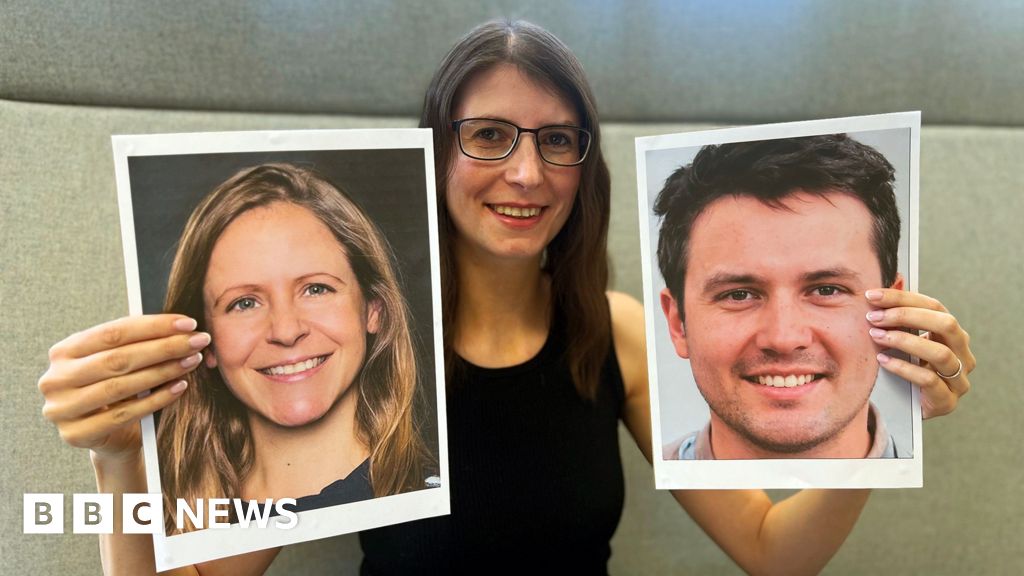
Psychological research reinforces the difficulty of detecting such deceptions manually. Studies conducted by academic teams, referenced by the BBC, indicate that while humans can be trained to recognize subtle visual artifacts associated with machine-generated media, the rapid evolution of generative models creates an ongoing technological arms race.
Security analysts advise individuals engaging in online relationships or evaluating digital media to exercise rigorous skepticism. Recommended safeguards include conducting independent background checks, performing reverse image searches, insisting on unscripted live video verification, and consulting trusted friends or family members when relationships intensify rapidly. Furthermore, financial institutions and law enforcement agencies urge immediate reporting of suspicious transactions to preserve any possibility of asset recovery.
Authorities and consumer protection advocates will continue monitoring the evolution of synthetic identity fraud and romance scams as legislative bodies and platform operators evaluate new countermeasures.
How significant is this development?
Contribute your assessment to the aggregated reader sentiment ledger.
Frequently Asked Questions
Key questions answered in this reportWhat is the key development in: LinkedIn romance scam victim loses nearly one million dollars over two years?
A romance fraud victim lost close to one million dollars over two years following an initial connection on LinkedIn with a profile using stolen photos.
Why is this World development significant for the UK?
This report covers critical events in our World beat. Independent reporting monitors related UK statements, regulatory shifts, and public responses as further verified details emerge.
How was this reporting corroborated and verified?
Newsarchy UK compiles and cross-references reporting from primary reporting from TODAY.com and cross-checked wire reports. All coverage adheres to published editorial standards.
When was this report published?
This briefing was published on September 18, 2026 and is permanently cataloged in the Newsarchy UK World archives.


