Mayor Mamdani reviews legal options to arrest Netanyahu in New York
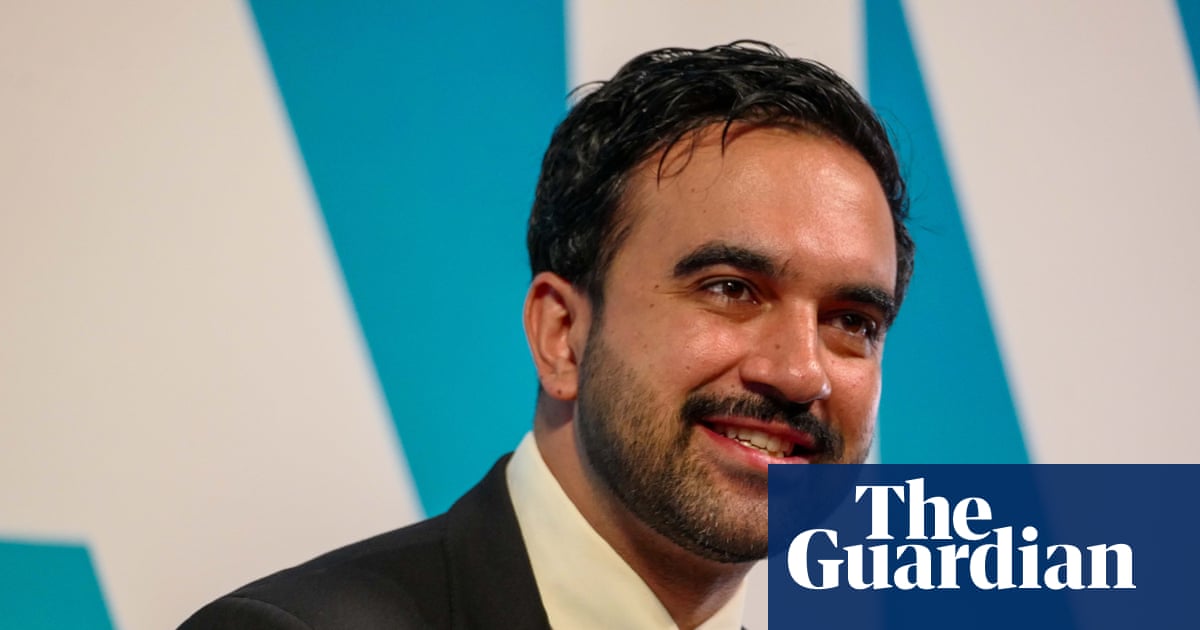
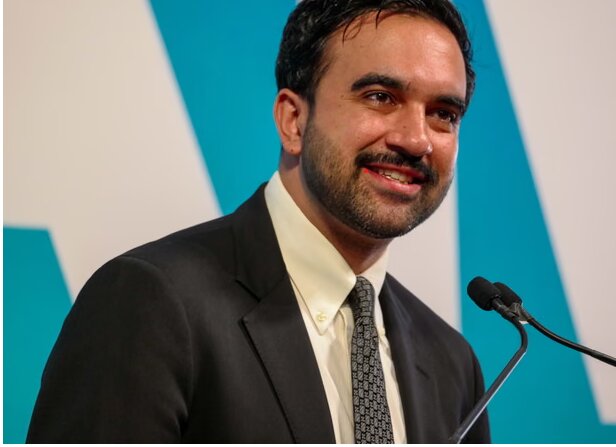
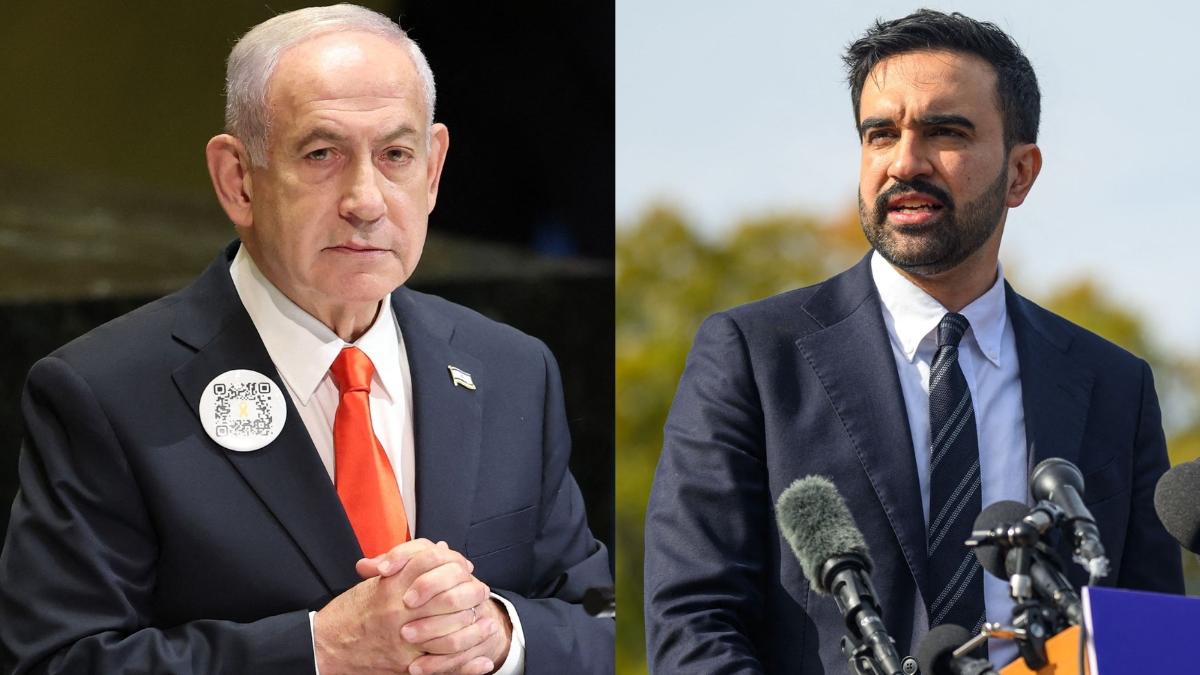
Mayor Zohran Mamdani is consulting with the city's law department to determine if he has the legal authority to arrest Israeli Prime Minister Benjamin Netanyahu.

New York City Mayor Zohran Mamdani has confirmed he is engaged in an "active conversation" with the city’s law department to determine if he possesses the legal authority to arrest Israeli Prime Minister Benjamin Netanyahu. The potential for such an action, which Mamdani first proposed during his mayoral campaign, centers on an arrest warrant issued for the Israeli leader by the International Criminal Court in November 2024. The mayor’s renewed focus on the matter arrives as world leaders prepare to congregate in New York City for the United Nations General Assembly in September.
Mamdani stated that his administration would not attempt to draft new local legislation to facilitate an arrest, opting instead to operate strictly within the bounds of existing city law. "Whatever the law allows me to do in New York City, that’s what we will do, but we won’t be writing our own laws to that end," the mayor noted during an interview on a podcast published by The New York Times. Mamdani maintains that his position is grounded in the existence of the international warrant, which accuses the prime minister of war crimes and crimes against humanity, including allegations of "starvation as a method of warfare, and … murder, persecution, and other inhumane acts."
Media additions
Diplomatic and Legal Obstacles
The proposal has faced immediate skepticism from legal experts and federal officials, who point to a significant disconnect between the city’s potential reach and the realities of international law. The United States is not a party to the Rome Statute, the foundational document of the International Criminal Court, and does not recognize the court's jurisdiction. Furthermore, the federal government maintains authority over matters of foreign policy, and sitting heads of state are generally afforded diplomatic protections during official visits to the United States.
The political friction surrounding the mayor’s comments is equally intense:
- Israeli Government Response: Prime Minister Benjamin Netanyahu has dismissed the threat as "silly" and "political rhetoric." In a recent radio interview with Sid Rosenberg, the prime minister accused Mamdani of siding with Hamas and harboring hostility toward both Israel and the United States.
- Diplomatic Criticism: Danny Danon, Israel’s ambassador to the United Nations, labeled the mayor's rhetoric as an attempt to "incite hostility." Danon asserted that the prime minister will attend the UN General Assembly as planned to address the global body.
- Federal Context: US Secretary of State Marco Rubio has previously vowed to "dismantle" the International Criminal Court, characterizing its actions against foreign leaders as a form of warfare against American interests.
The Shifting Political Climate
While the prospect of a local arrest remains, according to multiple analysts, a "practical impossibility," the discourse reflects a broader evolution within the American political landscape. Mamdani, who has previously characterized Israel’s military actions in Gaza as a genocide, argues that his stance is becoming less peripheral within the Democratic party. He cites recent electoral outcomes in New York, where candidates he endorsed achieved victory in House races, as evidence of voter engagement on the issue of the war in Gaza. This reflects a wider, though not universal, movement among some Democrats to reconsider the nature of US military aid to Israel, despite the failure of recent congressional attempts to block such funding.
Mamdani has rejected allegations that his criticism of the Israeli government constitutes antisemitism, noting that his administration has increased financial support for the city’s office dedicated to combating hate crimes. However, critics, including Ambassador Danon, argue that the mayor should prioritize domestic governance issues over international disputes.
What to Watch Next
As September approaches, the following points remain critical to the development of this story:
- Legal Guidance: The outcome of the mayor's consultations with the New York City law department will determine if the administration continues to pursue the threat or adjusts its public position.
- Federal Intervention: Given the diplomatic protections afforded to foreign heads of state, any attempt by the New York Police Department to interfere with a visiting dignitary would likely precipitate an immediate confrontation between City Hall and the federal government.
- UN General Assembly Attendance: The confirmation of Prime Minister Netanyahu’s travel plans to New York will serve as the primary indicator of whether this controversy escalates into a physical security challenge or remains confined to political discourse.


