Von der Leyen's Canada associate membership plan faces resistance
The EU's bid to offer Canada associate membership collapsed on the opening day of the Montreal summit following pushback from key European capitals.
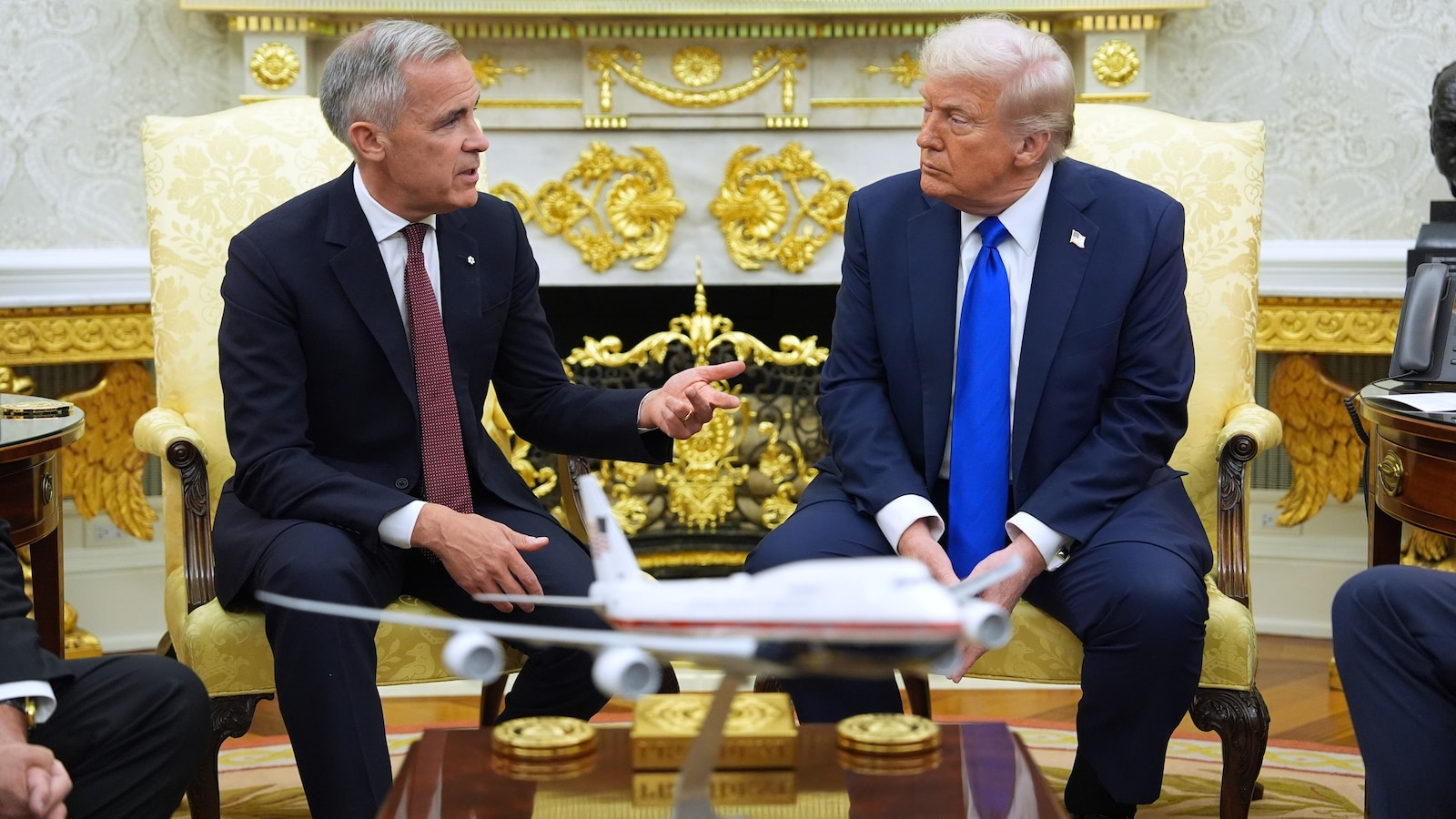
- Core Development: The EU's bid to offer Canada associate membership collapsed on the opening day of the Montreal summit following pushback from key European capitals.
- Beat Context: Categorized under World with independent corroboration.
- Reporting Depth: 3 minute analytical read synthesized from verified newsroom sources.
European Commission President Ursula von der Leyen’s ambitious plan to forge an unprecedented partnership with Canada has encountered stiff resistance from key European capitals, forcing negotiators to drop the term “associate member” from official summit documents. The diplomatic friction came to the forefront on Thursday, as leaders gathered in Montreal for a high-profile Canada-EU summit.
The concept was first unveiled by von der Leyen during her State of the Union address in Strasbourg last month, where Canadian Prime Minister Mark Carney attended as a guest of honour. According to reports from European diplomats, the proposal caught member states by surprise because it had not been vetted in advance across European capitals. The label “associate member” has no legal precedent within founding European treaties, prompting swift pushback from member states concerned about creating vague legal precedents and raising expectations among other third nations.
Media additions

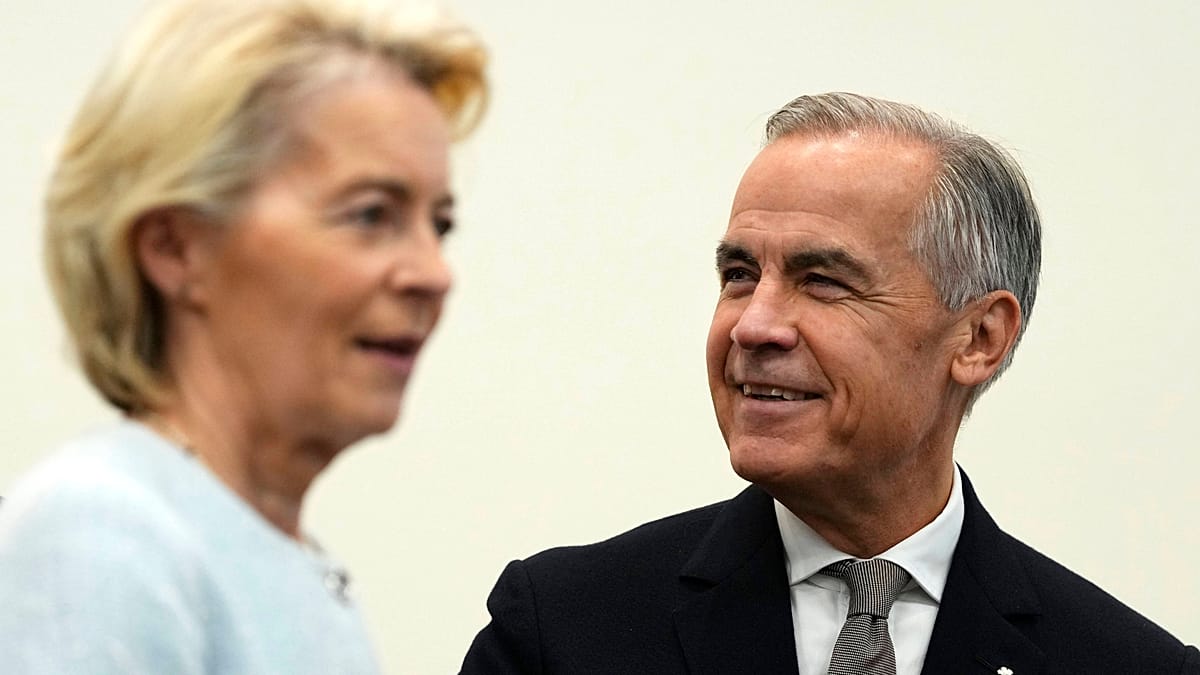

Germany led the resistance, alongside countries such as France and Greece, ensuring that references to associate membership were stripped from the draft closing declaration during preparatory talks managed by EU ambassadors. German ambassador to Canada Matthias Lüttenberg noted that while the bloc has previously used similar terminology for countries like Ukraine and Moldova that are pursuing full membership, the 27 member nations needed time to reflect on an undefined membership class for a non-European state. German Chancellor Friedrich Merz had previously pitched associate status for Ukraine, though Berlin denied that past discussions directly dictated its stance on Canada.
Despite the semantic setback, European and Canadian officials emphasised that the broader substance of the relationship remains intact. Commission spokesperson Paula Pinho acknowledged that it would have been preferable to secure initial unity on the terminology from all member states, but affirmed that a strong, agreed basis remains in place to flesh out the details. Rather than adopting the contested label, the final text issued at the summit calls for “ever closer associations” between Canada and the EU.
"We are seeing in real time our sovereignty being attacked,"
Ursula von der Leyen, European Commission President, via Yahoo News
Prime Minister Carney similarly downplayed the diplomatic wrangling over titles, viewing the partnership through a practical lens as a way to bolster Canadian independence and reduce reliance on the United States amid shifting global trade dynamics under U.S. President Donald Trump.
"The good news is, it doesn’t matter about specific names or nomenclature,"
Mark Prime Minister Carney, Prime Minister of Canada, via Yahoo News Canada
Carney noted that the true value of the partnership lies in tangible opportunities for young Canadians, businesses, and researchers, while confirming that Canada will not assume the EU's budget obligations, though it may contribute to targeted programmes. The summit agenda spans a wide range of areas, including trade, digital policy, critical raw materials, technology, and joint defence initiatives. Canada is notably participating in the EU's SAFE defence procurement programme, and both sides are exploring investments and mineral price stabilization to counter economic coercion and growing rivalries.
Public opinion surveys indicate that while Canadians strongly support closer economic and security ties with Europe, enthusiasm wanes when full integration is considered. A Canada Pulse Insights poll conducted from 1 October to 8 October showed robust backing for Carney's alliance-building approach, though political divisions remain evident. An earlier online survey conducted by Pollara Strategic Insights from 10 September to 18 September similarly found broad support for bilateral cooperation on trade and security.
As the summit concludes, the two sides are expected to set the stage for an “Alliance for the Future” framework. Any enhanced partnership will ultimately require formal approval in Canada’s Parliament, while Brussels must secure unanimous consensus among all 27 member states before any structural changes to the relationship can be formally enacted.
What to watch next
- The official joint statement and agreed framework released at Так the conclusion of the summit.
- Upcoming European Council meetings and ambassador talks in Brussels to resolve the long-term legal wording and structure of the partnership.
- Parliamentary debates in Ottawa regarding the budgetary implications and formal approval of the enhanced EU relationship ahead of potential endorsement targets in 2027.
How significant is this development?
Contribute your assessment to the aggregated reader sentiment ledger.
Frequently Asked Questions
Key questions answered in this reportWhat is the key development in: Von der Leyen's Canada associate membership plan faces resistance?
The EU's bid to offer Canada associate membership collapsed on the opening day of the Montreal summit following pushback from key European capitals.
Why is this World development significant for the UK?
This report covers critical events in our World beat. Independent reporting monitors related UK statements, regulatory shifts, and public responses as further verified details emerge.
How was this reporting corroborated and verified?
Newsarchy UK compiles and cross-references reporting from primary reporting from europeanpulse.com and cross-checked wire reports. All coverage adheres to published editorial standards.
When was this report published?
This briefing was published on October 29, 2026 and is permanently cataloged in the Newsarchy UK World archives.