Joy in Greece as Mount Olympus joins Unesco list of world heritage sites
After twelve years of lobbying, Mount Olympus has been inscribed on the UNESCO World Heritage List as a mixed cultural and natural property.
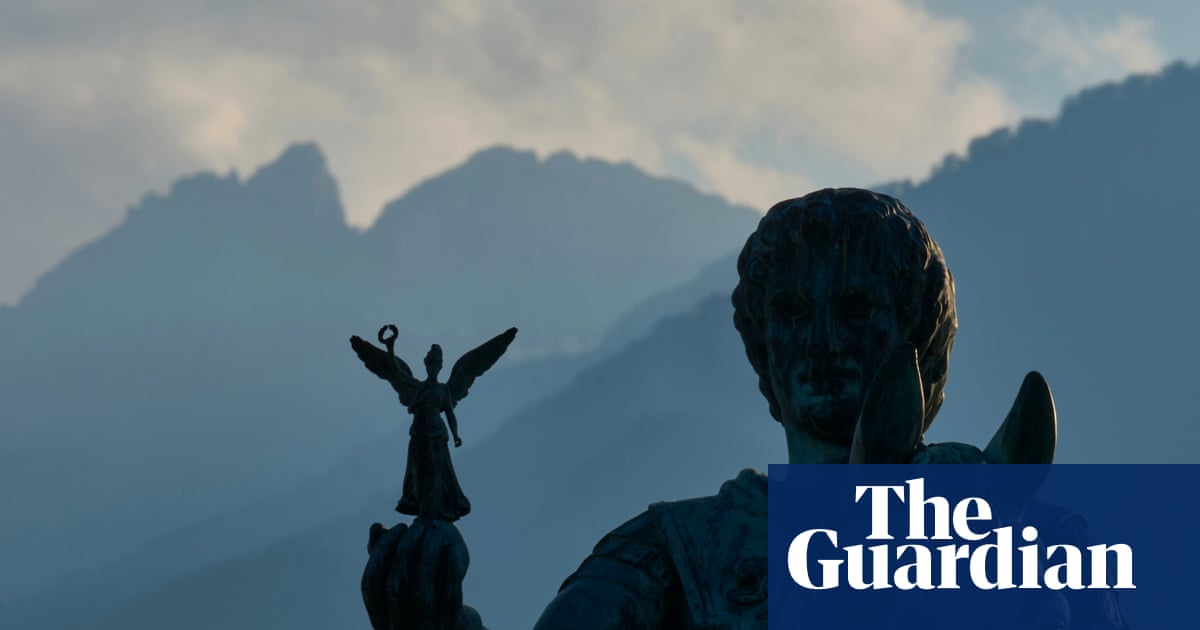
- Core Development: After twelve years of lobbying, Mount Olympus has been inscribed on the UNESCO World Heritage List as a mixed cultural and natural property.
- Beat Context: Categorized under World with independent corroboration.
- Reporting Depth: 5 minute analytical read synthesized from verified newsroom sources.
After twelve years of lobbying, Mount Olympus has been inscribed on the UNESCO World Heritage List, a move that lifts the iconic peak from myth to global protection and promises a new wave of tourism, funding and international scrutiny. The decision, announced at the 48th session of the World Heritage Committee in Busan, South Korea, arrives just as the agency is grappling with how to balance the preservation of natural wonders and sites of historic memory.
The mountain, rising 2,918 metres above sea level, was added as a mixed cultural‑natural property, joining the D‑Day landing beaches in Normandy and the ancient Japanese capitals of Asuka and Fujiwara. Its inclusion expands the list to more than 1,248 sites across 170 countries, underscoring UNESCO’s commitment to “outstanding value to humanity.”
Media additions
Greek officials celebrate a myth‑laden triumph
Georgios Koumoutsakos, head of Greece’s UNESCO delegation, greeted the news with a declaration that the inscription “reaffirms our unwavering commitment to safeguarding Mount Olympus for the benefit of present and future generations.” He added, “As Greek mythology wisely reminds us, it is always best to remain on good terms with the gods.”
“It reaffirms our unwavering commitment to safeguarding Mount Olympus for the benefit of present and future generations.”
Georgios Koumoutsakos, head of Greece’s UNESCO delegation, via The Guardian
“As Greek mythology wisely reminds us, it is always best to remain on good terms with the gods.”
Georgios Koumoutsakos, head of Greece’s UNESCO delegation, via The Guardian
Evangelos Geroliolios, mayor of the Dion‑Olympus municipality that cradles the mountain’s lower slopes, warned that the honour carries “greater responsibility on our part to protect the [local] environment.” In a separate interview he said the designation “places greater obligations on our part to protect this environment,” echoing concerns that a surge of visitors could strain the fragile alpine ecosystems.
“place greater responsibility on our part to protect the [local] environment.”
Evangelos Geroliolios, mayor, via The Guardian
“places greater obligations on our part to protect this environment,”
Evangelos Geroliolios, mayor, via The Inquirer
The mayor’s remarks dovetail with UNESCO’s own language that the site’s “extraordinary biodiversity” merits international support. While the agency typically offers advisory and financial assistance to inscribed properties, the real test will be Greece’s ability to translate that aid into on‑the‑ground safeguards.
Why the timing matters
UNESCO’s decision arrives amid heightened global debate over what constitutes a heritage worth preserving. The committee’s recent inclusion of three Khmer Rouge sites and the contentious nomination of conflict‑related locations highlight a shift toward recognizing “sites of memory” alongside traditional monuments. Critics argue that adding battlefields and places of trauma risks diluting the World Heritage brand; supporters claim it broadens the moral scope of preservation.
For Greece, the timing is symbolic. The mountain has sat on a tentative list since 2014, and a draft agenda earlier this week had signalled a possible referral back to Athens for more documentation. The unanimous vote that ultimately sealed Olympus’s fate therefore “proved all the sweeter,” as one Greek official put it, because it avoided a second round of scrutiny that could have delayed the inscription indefinitely.
What the inscription means for the mountain
- Formal protection under the UNESCO Convention on the Protection of the World Cultural and Natural Heritage.
- Eligibility for technical advice, capacity‑building and potential funding from UNESCO and its partners.
- Increased visibility that is likely to boost international tourism, especially from myth‑enthusiasts and hikers.
- Heightened responsibility for Greek authorities to monitor climate impacts, visitor numbers and the health of endemic flora and fauna.
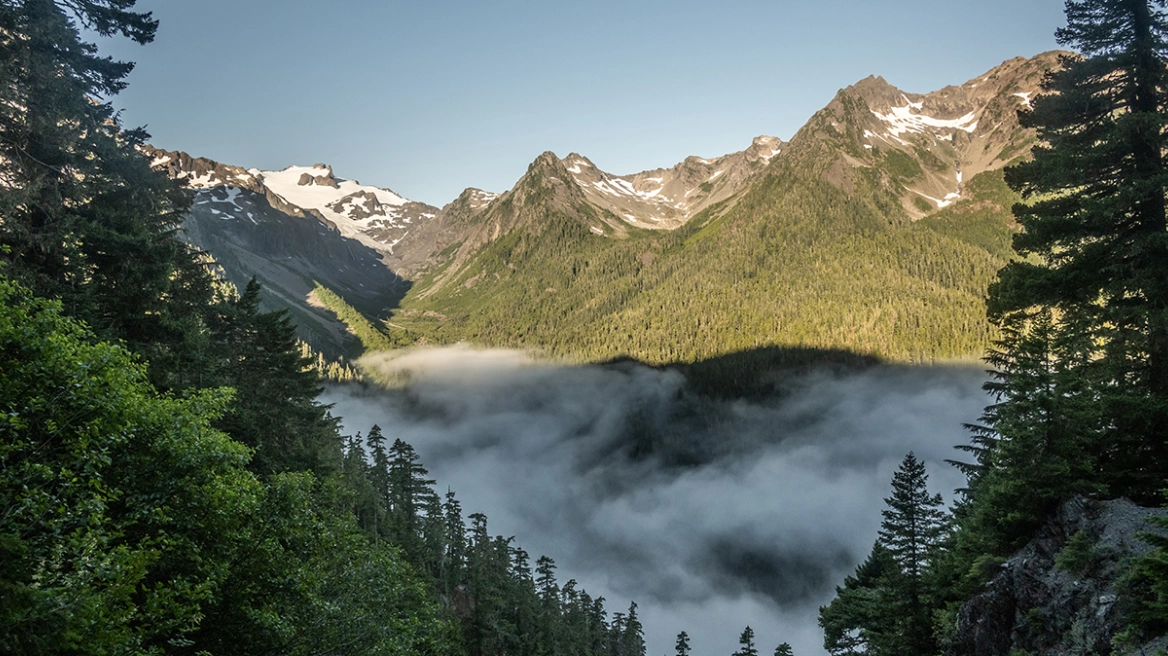
The natural side of Olympus is as dramatic as its mythic pedigree. Its microclimate — shaped by proximity to the sea and steep elevation gradients — creates a mosaic of habitats, from Mediterranean scrub at its foothills to alpine meadows near the summit. Biologists note that the area supports numerous endemic plant species and serves as a refuge for wildlife such as the Balkan chamois.
From a cultural angle, the mountain has been celebrated in the works of Hesiod and Homer as the seat of Zeus, the Twelve Olympian Gods, the Muses and the Graces. UNESCO’s description emphasizes “the enduring symbolic value” of Olympus in ancient Greek civilization and its continued resonance in Western art, literature and popular culture.
Comparative look at the day’s other additions
| Site | Country | Type | Main Significance |
|---|---|---|---|
| Mount Olympus | Greece | Mixed cultural & natural | Mythical home of the gods; biodiversity hotspot |
| D‑Day landing beaches (Omaha, Utah, Sword, Gold, Juno) & Pointe du Hoc | France | Cultural landscape | Site of the 1944 Allied invasion that opened a new front in WWII |
| Asuka–Fujiwara (ancient capitals) | Japan | Cultural | Early state formation, architectural and archaeological legacy |
| Boma‑Badingilo Migratory Landscape | South Sudan | Natural | One of the world’s largest land‑mammal migrations |
The simultaneous inscription of sites spanning mythology, modern warfare and ecological corridors signals UNESCO’s broadening definition of shared heritage. For Greece, the mountain now stands alongside the Normandy beaches, another location where tourism and preservation must walk a delicate line.
What to watch next
- Implementation of a detailed management plan for Olympus, due in the coming months, to address visitor impact and climate resilience.
- Potential funding applications to UNESCO’s World Heritage Fund, which could finance trail upgrades and biodiversity monitoring.
- EU‑level discussions on heritage tourism, expected to surface at the upcoming European Cultural Ministers’ meeting.
- Follow‑up monitoring reports from ICOMOS and IUCN, the two advisory bodies that will assess how well Greece complies with preservation standards.
As the UNESCO committee wraps up its session on Wednesday, the world will be watching whether the newfound spotlight on Olympus translates into concrete conservation outcomes. If successful, the mountain could become a template for other mixed‑type sites seeking to protect both natural ecosystems and intangible cultural legacies.
How significant is this development?
Contribute your assessment to the aggregated reader sentiment ledger.
Frequently Asked Questions
Key questions answered in this reportWhat is the key development in: Joy in Greece as Mount Olympus joins Unesco list of world heritage sites?
After twelve years of lobbying, Mount Olympus has been inscribed on the UNESCO World Heritage List as a mixed cultural and natural property.
Why is this World development significant for the UK?
This report covers critical events in our World beat. Independent reporting monitors related UK statements, regulatory shifts, and public responses as further verified details emerge.
How was this reporting corroborated and verified?
Newsarchy UK compiles and cross-references reporting from primary reporting from theguardian.com and cross-checked wire reports. All coverage adheres to published editorial standards.
When was this report published?
This briefing was published on July 27, 2026 and is permanently cataloged in the Newsarchy UK World archives.