Netanyahu rejects Trump Gaza peace plan and demands Hamas disarmament first
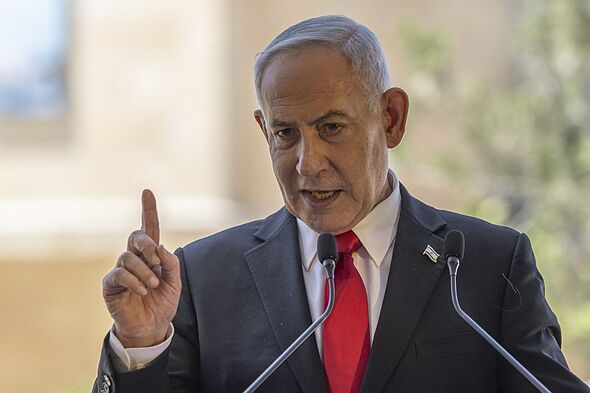
Israeli Prime Minister Benjamin Netanyahu has formally rejected a U.S.-backed Gaza peace initiative, insisting that military positions will be maintained until Hamas fully disarms.
Netanyahu rejects Trump Gaza peace plan and demands Hamas disarmament first
EXECUTIVE BRIEFKey Takeaways & Signal
Core Development: Israeli Prime Minister Benjamin Netanyahu has formally rejected a U.S.-backed Gaza peace initiative, insisting that military positions will be maintained until Hamas fully disarms.
Beat Context: Categorized under World with independent corroboration.
Israeli Prime Minister Benjamin Netanyahu has formally rejected the United States-backed peace initiative for Gaza, declaring that his military will maintain its positions until Palestinian militant groups undergo complete disarmament. The public rejection arrives during a tense diplomatic standoff, following claims by Washington that a breakthrough had already been achieved.
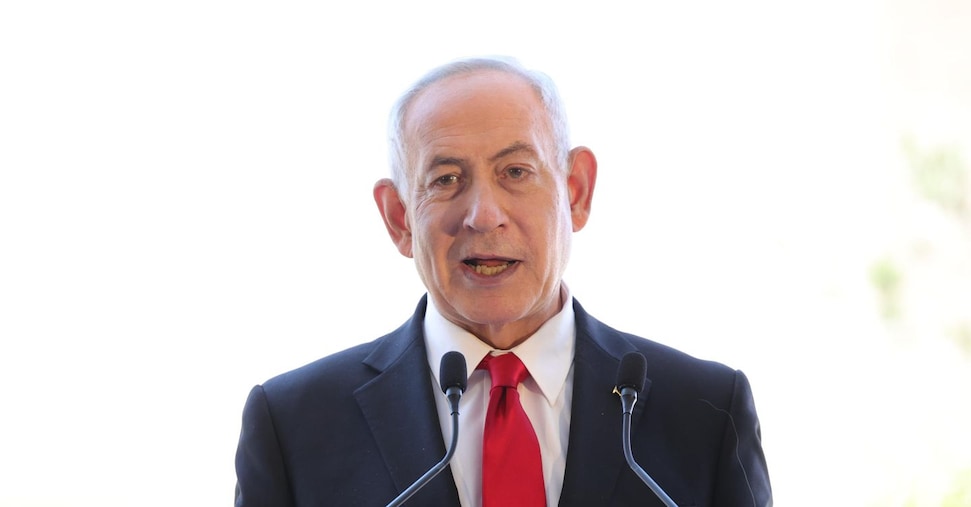
Addressing government ministers at a weekly cabinet meeting on Sunday, August 9, 2026, Netanyahu addressed the diplomatic dispute head-on.
"I want to be precise here: Israel rejects the 15-point document,"
Benjamin Netanyahu, Prime Minister, via AOL and ABC45
he stated, disputing suggestions that his government had signed on to the proposal.
The core disagreement centres on the sequencing of security milestones. President Donald Trump had previously announced that his international Board of Peace reached a historic agreement for the complete disarmament of Hamas and other armed factions in the territory. That framework, published in late July 2026, envisioned a phased process where Israeli withdrawals and militant disarmament would proceed in tandem. Under the U.S.-led blueprint, groups were to hand their armaments over to a vetted international policing force.
Yet Netanyahu drew a hard line against any reciprocal pacing.
"We are talking about genuine disarmament, not fictitious disarmament,"
Benjamin Netanyahu, Prime Minister, via Wxxinews and AOL
he told ministers, clarifying that the mandate covers heavy weapons, light armaments, and all weapons.
The sequence has flipped the usual diplomatic dynamic, with Hamas initially accepting the U.S.-backed framework before Israel ultimately rebuffed it. A senior Hamas official maintained that the group remains committed to the roadmap agreed upon in the agreement, though previous statements from the faction insisted that weapons would only be surrendered after an initial Israeli withdrawal.
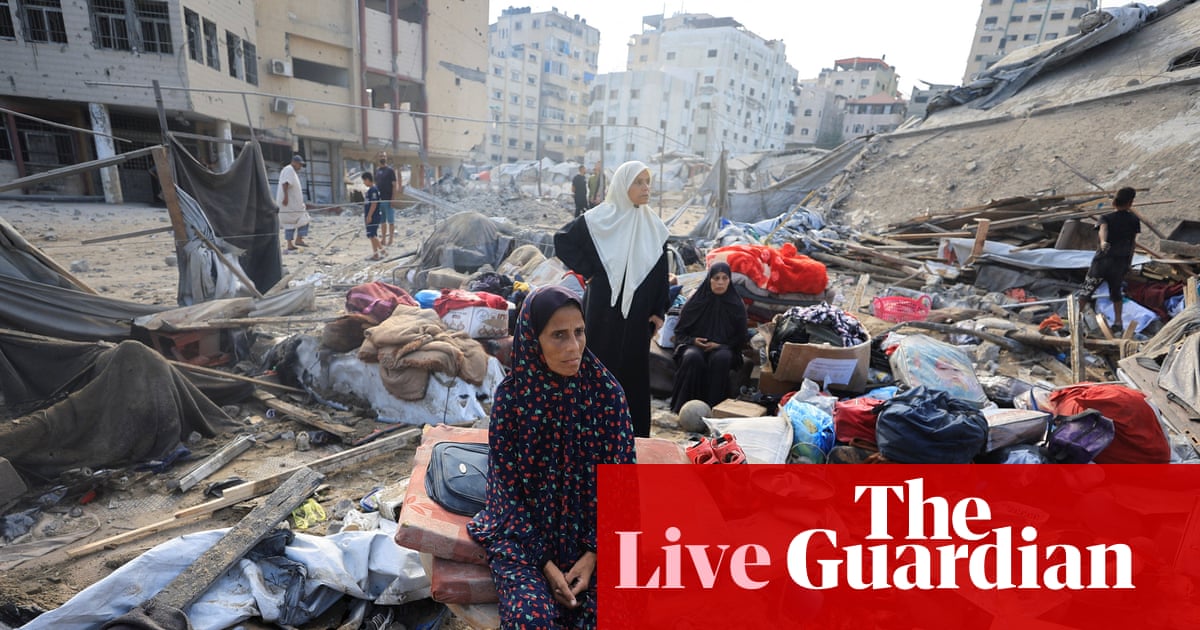
This latest friction follows an initial ceasefire arrangement brokered in October 2025 alongside a broader 20-point Gaza plan. That initial phase paused active major combat, facilitated hostage exchanges for some 2,000 Palestinian prisoners, increased humanitarian aid, and introduced partial military pullbacks. More contentious issues, including Hamas's disarmament and further Israeli withdrawals, were left to later negotiations. Since then, however, territorial control has expanded. According to Palestinian officials and aid agencies cited by Wxxinews, Israeli forces currently retain a military footprint covering roughly 70% of the territory, reaching well beyond the original Yellow Line established under the 2025 terms. Cryptobriefing noted Israeli control over more than 60% of Gaza.
Broader Geopolitical Pressures
Israeli officials argue that Hamas is attempting to use the diplomatic track to block renewed Israeli military action and to avoid being stripped of its weapons and control in the enclave. At the same time, Netanyahu used his public remarks to rule out the establishment of a future Palestinian state in either Gaza or the West Bank.
Discussing the broader diplomatic friction, Netanyahu declared:
"Contrary to all those who preach to us, we do what must be done for Israel’s security and we can and will stand our ground even against our best friends when necessary,"
Benjamin Netanyahu, Prime Minister, via ABC45 and The Guardian
confirming that his administration is actively discussing its objections with Washington.
Domestically, the timing of Netanyahu's hardline posture comes less than three months before Israel's Oct. 27 election, with polls showing his coalition is at risk of losing its majority.
Key Developments in the Gaza Peace Process
October 2025: An initial ceasefire and prisoner exchange framework is established, leaving contentious issues like disarmament for later negotiations.
Late July 2026: President Trump’s Board of Peace announces a 15-point roadmap aimed at securing Hamas's complete disarmament, which Hamas subsequently accepts.
August 3, 2026: The Board of Peace issues clarifications stating that Israeli forces will not withdraw beyond the Yellow Line until weapons are fully decommissioned.
August 5, 2026: Netanyahu articulates initial rejections of the U.S.-backed framework.
August 9, 2026: Netanyahu formally rejects the 15-point document during a cabinet meeting, demanding complete disarmament before any military withdrawal occurs.
READER INTELLIGENCE PULSE
How significant is this development?
Contribute your assessment to the aggregated reader sentiment ledger.
Click an option to register your anonymous assessment.
Frequently Asked Questions
Key questions answered in this report
What is the key development in: Netanyahu rejects Trump Gaza peace plan and demands Hamas disarmament first?
Israeli Prime Minister Benjamin Netanyahu has formally rejected a U.S.-backed Gaza peace initiative, insisting that military positions will be maintained until Hamas fully disarms.
Why is this World development significant for the UK?
This report covers critical events in our World beat. Independent reporting monitors related UK statements, regulatory shifts, and public responses as further verified details emerge.
How was this reporting corroborated and verified?
Newsarchy UK compiles and cross-references reporting from primary reporting from wxxinews.org and cross-checked wire reports. All coverage adheres to published editorial standards.
When was this report published?
This briefing was published on August 9, 2026 and is permanently cataloged in the Newsarchy UK World archives.