Netanyahu slams Macron's UN remarks on West Bank as grotesque
Netanyahu condemned Macron’s UN General Assembly speech on the West Bank as a grotesque absurdity, citing France’s settlement sanctions and a recent settler killing.

- Core Development: Netanyahu condemned Macron’s UN General Assembly speech on the West Bank as a grotesque absurdity, citing France’s settlement sanctions and a recent settler killing.
- Beat Context: Categorized under World with independent corroboration.
- Reporting Depth: 5 minute analytical read synthesized from verified newsroom sources.
Israeli Prime Minister Benjamin Netanyahu has blasted French President Emmanuel Macron’s United Nations speech on the West Bank as a “grotesque absurdity,” a move that has reignited a sharp diplomatic spat between two long‑time allies. The exchange follows Macron’s criticism of Israeli actions in the occupied territory and his call for greater humanitarian access to Gaza, themes that have become focal points in the ongoing conflict that began with the October 2023 attacks.
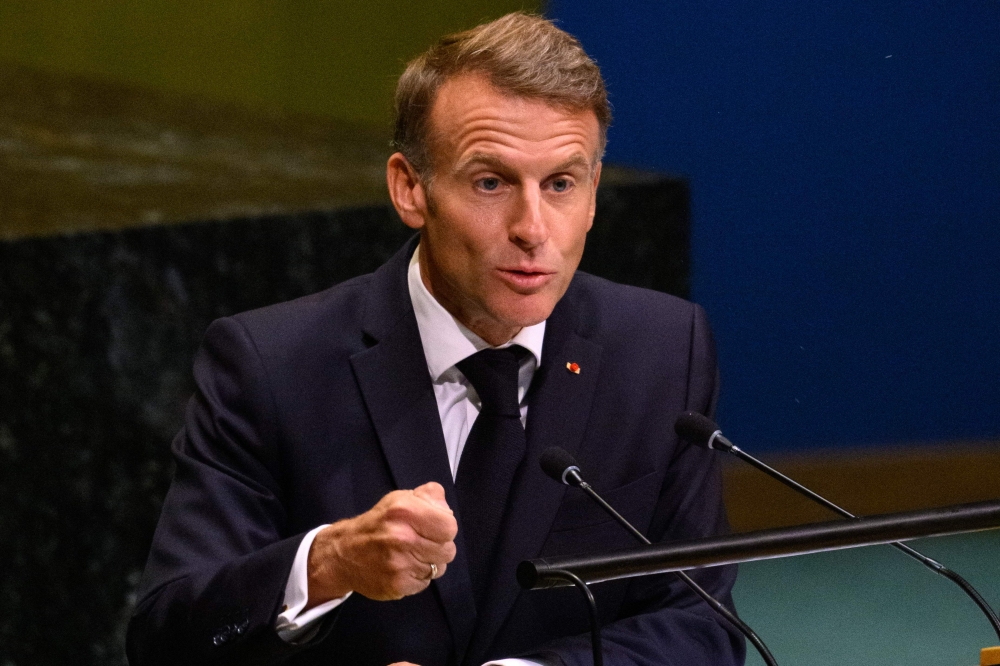
Macron opened the 81st session of the United Nations General Assembly in New York on Tuesday, 22 September 2026, with a critique of Israel’s conduct in the West Bank. He described the humanitarian situation in Gaza as a “spectacle that shames us all” and said that daily violations were occurring in the occupied territory. In French, he used a phrase that could be interpreted as “Hamas has never governed the West Bank,” a statement that Israel’s government viewed as a misrepresentation of the group’s operational presence in the area.
Media additions

In a statement released by the Prime Minister’s office, Netanyahu called the remarks “grotesque absurdity.” He pointed to the recent killing of an Israeli settler, Netanel Shukrun, a French citizen who was shot dead on the eve of Yom Kippur. The Israeli military confirmed the arrest of the suspect and noted that the incident had prompted a raid on the attacker’s village. Netanyahu’s office also highlighted that “Hamas terrorists carry out attacks against Jews almost every day” and that the West Bank has seen escalating violence from extremist Israeli settlers.
French diplomatic sources, speaking on condition of anonymity, indicated that Macron intended to convey that Hamas has never governed the West Bank. The statement, which was not publicly released, was relayed to the Jerusalem Post. This clarification has not altered the Israeli position, which remains that the group’s influence in the West Bank is significant, even if it has never held sovereign control.
Macron’s remarks come against a backdrop of France’s recent policy shifts. In September 2025, France joined Britain and other Western nations in recognizing a Palestinian state, a move that Israel has opposed. France also announced sanctions on products from Israeli settlements in the West Bank, a decision that has deepened Israeli frustration. The French government issued a statement condemning the terrorist attack that killed a French‑Israeli citizen over the weekend, further highlighting the tension between the two countries.
Israel’s settlement policy has been a long‑running source of friction. Since 1967, the country has built around 160 settlements housing approximately 700,000 Jews in the West Bank and East Jerusalem, a territory that Palestinians view as part of a future state. The United Nations has reported that there are about six settler‑related violent incidents against Palestinians or their property daily through mid‑2026. The Israeli Defense Forces frequently conduct operations in areas that the government describes as “strongholds of Palestinian militancy,” a stance that has drawn criticism from the international community.
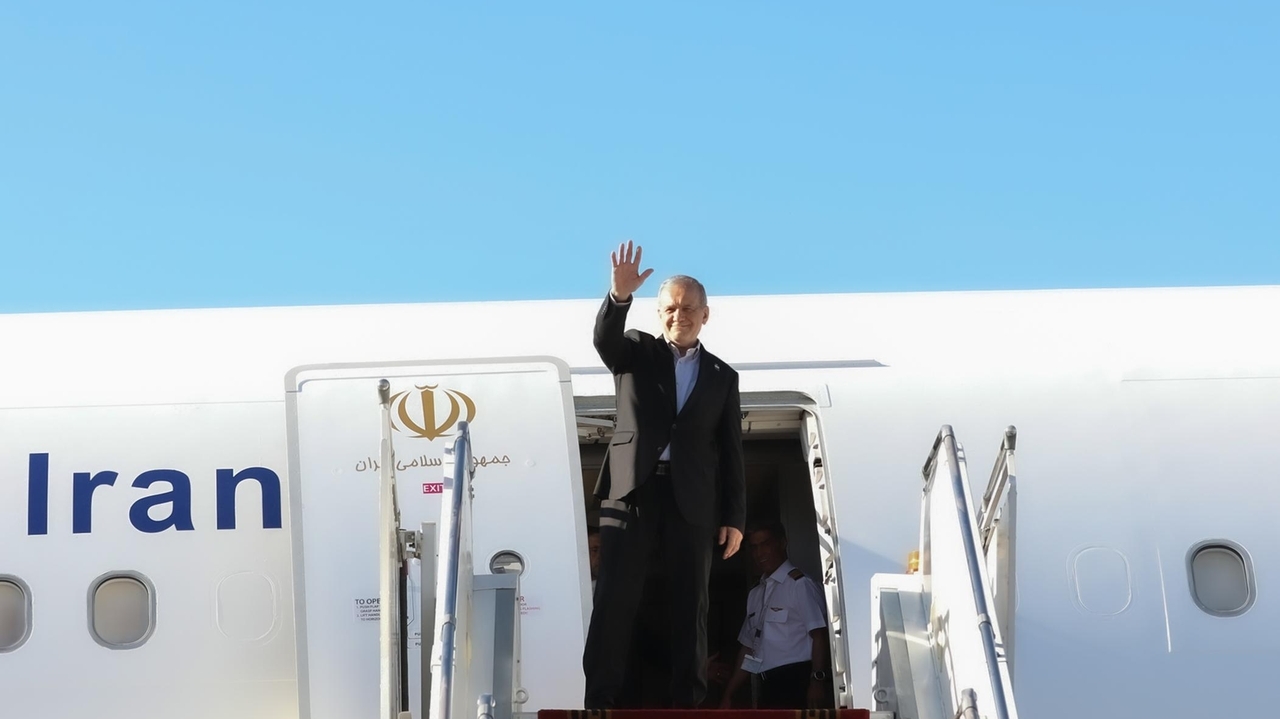
In addition to the diplomatic flare at the UN, the broader Middle East remains volatile. Iranian President Masoud Pezeshkian has travelled to New York to address the assembly, and his administration has reiterated conditions for ending the war with the United States. At the same time, intermittent attacks in the Strait of Hormuz have continued to disrupt shipping lanes, with the United Kingdom Maritime Trade Operations reporting a vessel struck by an unknown projectile on the day of the UN session. These developments illustrate the complex web of security challenges that intersect with the Israel‑France dispute.
Netanyahu’s forthcoming address to the UN, scheduled for Thursday, aims to counter Macron’s narrative. The Israeli prime minister is expected to emphasize the daily security threats posed by Hamas and other militant groups, and to argue that Israel’s actions in the West Bank are necessary for national survival. The statement from Netanyahu’s office stresses that “Hamas terrorists carry out attacks against Jews almost every day,” underscoring the Israeli perspective that the group’s activity extends beyond Gaza.
Observers note that Macron’s speech was part of a broader effort to advance Palestinian rights. He criticized the “spectacle” that has emerged from the Gaza conflict and highlighted the lack of humanitarian deliveries, a point that has resonated with European allies. However, the French president’s remarks about the West Bank have been interpreted by Israel as an attempt to delegitimize the government’s security operations and settlement activities.
In the days ahead, the international community will watch how the United Nations responds to the exchange. The UN’s official translation of Macron’s remarks remains pending, and the resolution of the dispute will likely hinge on diplomatic negotiations. Meanwhile, Israel’s settlement policy and its enforcement of security measures in the West Bank will continue to draw scrutiny from both regional actors and the international community.
For those following the unfolding situation, a timeline of key events provides context:
- October 2023 – Hamas launches attacks on Israel, sparking the Gaza conflict.
- September 2025 – France recognises a Palestinian state.
- September 2025 – France imposes sanctions on Israeli settlement products.
- September 22 2026 – Macron addresses the UN General Assembly, criticizing Israel’s actions in the West Bank.
- September 23 2026 – Netanyahu releases a statement condemning Macron’s remarks.
- September 24 2026 – Netanyahu scheduled to deliver a counter‑address to the UN.
How significant is this development?
Contribute your assessment to the aggregated reader sentiment ledger.
Frequently Asked Questions
Key questions answered in this reportWhat is the key development in: Netanyahu slams Macron's UN remarks on West Bank as grotesque?
Netanyahu condemned Macron’s UN General Assembly speech on the West Bank as a grotesque absurdity, citing France’s settlement sanctions and a recent settler killing.
Why is this World development significant for the UK?
This report covers critical events in our World beat. Independent reporting monitors related UK statements, regulatory shifts, and public responses as further verified details emerge.
How was this reporting corroborated and verified?
Newsarchy UK compiles and cross-references reporting from primary reporting from bastillepost.com and cross-checked wire reports. All coverage adheres to published editorial standards.
When was this report published?
This briefing was published on September 23, 2026 and is permanently cataloged in the Newsarchy UK World archives.