Russian Losses Mount as Putin Marks Airborne Forces Holiday
Vladimir Putin marked Russia's Airborne Forces holiday amid soaring battlefield casualties, internal Kremlin paranoia, and a deadly explosion in central Moscow.
- Core Development: Vladimir Putin marked Russia's Airborne Forces holiday amid soaring battlefield casualties, internal Kremlin paranoia, and a deadly explosion in central Moscow.
- Beat Context: Categorized under World with independent corroboration.
- Reporting Depth: 4 minute analytical read synthesized from verified newsroom sources.
Vladimir Putin's military holiday on Sunday, 2 August 2026, was overshadowed by mounting battlefield losses, interior paranoia, and a deadly restaurant bombing in the Russian capital, according to reports. While the Russian leader praised active and former Airborne Forces personnel for their unwavering resolve on their professional holiday, the celebrations unfolded against a backdrop of severe strain. According to the Ukrainian General Staff, Russian forces suffered 42,860 casualties in July alone, marking the highest monthly toll reported so far that year in the ongoing conflict.
The domestic shockwaves deepened on Saturday, 1 August 2026, when an improvised explosive device detonated near the Balzi Rossi restaurant in central Moscow. The blast at the upscale Italian establishment, located in one of the capital's Stalin-era skyscrapers on Kudrinskaya Square, occurred at approximately 8 p.m. Local time, according to RFE/RL and ABC reporting. Russia's National Anti-Terrorism Committee stated that an unidentified woman carrying the device attempted to enter the venue, which had been closed for a private function, but was blocked by a security guard before the explosion ripped through the area.
Media additions
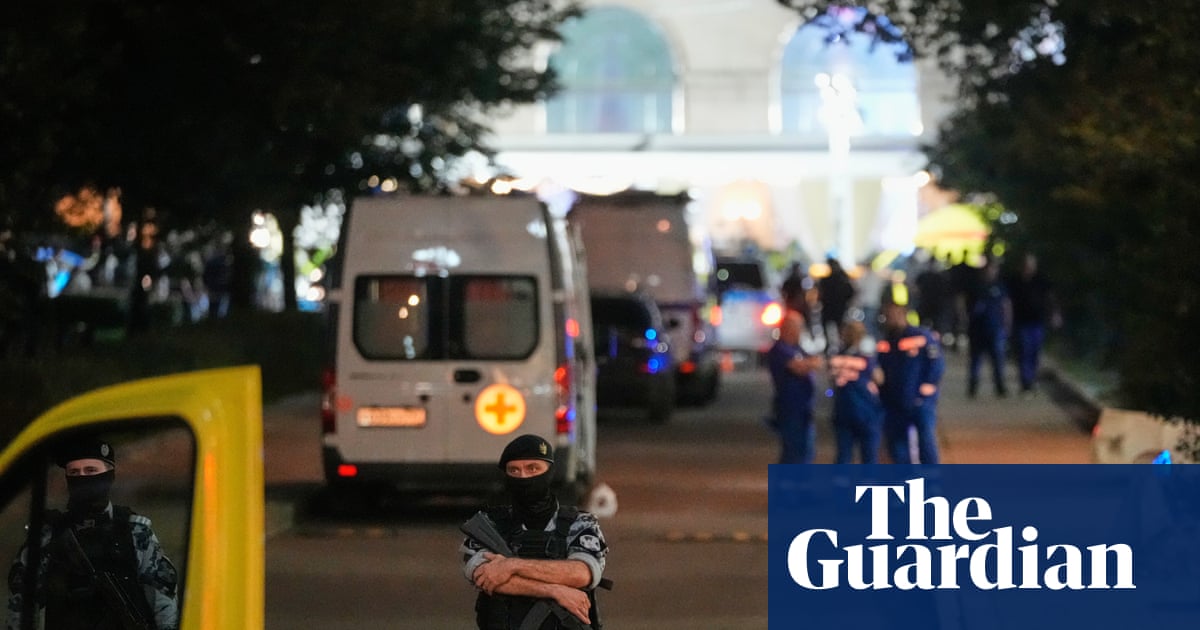
The initial blast killed three people instantly: the female carrier, the security guard, and a restaurant customer. While official authorities confirmed 21 wounded, REN TV cited a source suggesting two additional hospitalised victims later died from their wounds, raising the potential toll to five, though official confirmation remained pending. Moscow mayor Sergei Sobyanin condemned the incident as a brutal terrorist act on social media, though he did not name any culprits. Unverified social media reports and independent outlets like the Telegram channel Astra suggested the private gathering was a celebration hosted for a top Russian military commander, with journalist Oleg Kashin pointing toward Colonel-General Aleksandr Chaiko, head of Russia's Aerospace Forces, though the commander was reported unharmed.
Speculation over the attack immediately turned toward Ukraine amid a pattern of prior high-profile assassinations and vehicle bombings targeting prominent pro-Kremlin figures, including the deaths of Darya Dugina, Vladlen Tatarsky, and Lieutenant General Igor Kirillov. Russian war bloggers quickly blamed Kyiv, whereas Ukrainian officials made no immediate claim of responsibility. Meanwhile, the newspaper Kommersant reported that the woman carrying the device may have been an unwitting carrier whose bomb was detonated remotely by someone else, echoing previous explosive deliveries such as the 2023 cafe bombing that killed Vladlen Tatarsky.
Beyond the capital, the war's economic and logistical toll continued to ripple outward. As reported by Yahoo News, overnight drone strikes killed at least eight people across Russian regions according to Reuters, while a major warehouse belonging to online retailer Wildberries in Novosemeykino burned completely after a drone hit. The persistent strikes on logistics hubs and energy infrastructure have degraded Russia's oil and natural gas production capacity by 35 to 40 percent, according to a Financial Times analysis cited in the reporting. Concurrently, citizens in cities like Tyumen faced severe water contamination crises, with locals complaining that municipal financing had been entirely diverted toward the Kremlin's special military operation.
Inside the Kremlin, the accumulating pressures have reportedly exacerbated internal paranoia. Abbas Gallyamov, a former Putin speechwriter turned critic, noted that the administration entered a tailspin after the sudden cancellation of Russia's Navy Day parade in St. Petersburg due to strike fears. Putin allegedly sought scapegoats within his inner circle after former FSB director Nikolai Patrushev suggested that liberal infiltrators were to blame for the public frustration.
Chronology of Key Escalations
- 1 August 2026: An improvised explosive device detonates near the Balzi Rossi restaurant on Kudrinskaya Square in Moscow at approximately 8 p.m., killing at least three people and wounding over twenty others.
- 2 August 2026: Vladimir Putin marks the Airborne Forces holiday amid reports of record monthly casualties reaching 42,860 in July, while overnight drone strikes hit Russian regions and the Wildberries warehouse in Novosemeykino.
- Ongoing: Investigators from the Moscow branch of Russia's Investigative Committee continue forensic work at the blast site, and security around high-ranking military officials remains heightened following previous targeted killings attributed by Moscow to Kyiv.
As World coverage tracks the broader geopolitical fallout—including incidents such as NATO scrambling jets after a Russian missile entered Polish airspace and Romania summoning the Russian ambassador following a drone shootdown—investigators in Moscow have yet to officially link the Kudrinskaya Square bombing to the ongoing hostilities, leaving authorities to determine the precise chain of command behind the attack.
How significant is this development?
Contribute your assessment to the aggregated reader sentiment ledger.
Frequently Asked Questions
Key questions answered in this reportWhat is the key development in: Russian Losses Mount as Putin Marks Airborne Forces Holiday?
Vladimir Putin marked Russia's Airborne Forces holiday amid soaring battlefield casualties, internal Kremlin paranoia, and a deadly explosion in central Moscow.
Why is this World development significant for the UK?
This report covers critical events in our World beat. Independent reporting monitors related UK statements, regulatory shifts, and public responses as further verified details emerge.
How was this reporting corroborated and verified?
Newsarchy UK compiles and cross-references reporting from primary reporting from rferl.org and cross-checked wire reports. All coverage adheres to published editorial standards.
When was this report published?
This briefing was published on August 3, 2026 and is permanently cataloged in the Newsarchy UK World archives.