RBI MPC Meeting and US Iran War Shape Indian Stock Market Triggers
Indian equity benchmarks recover as investors monitor the RBI's monetary policy meeting, international crude oil prices, and corporate earnings.
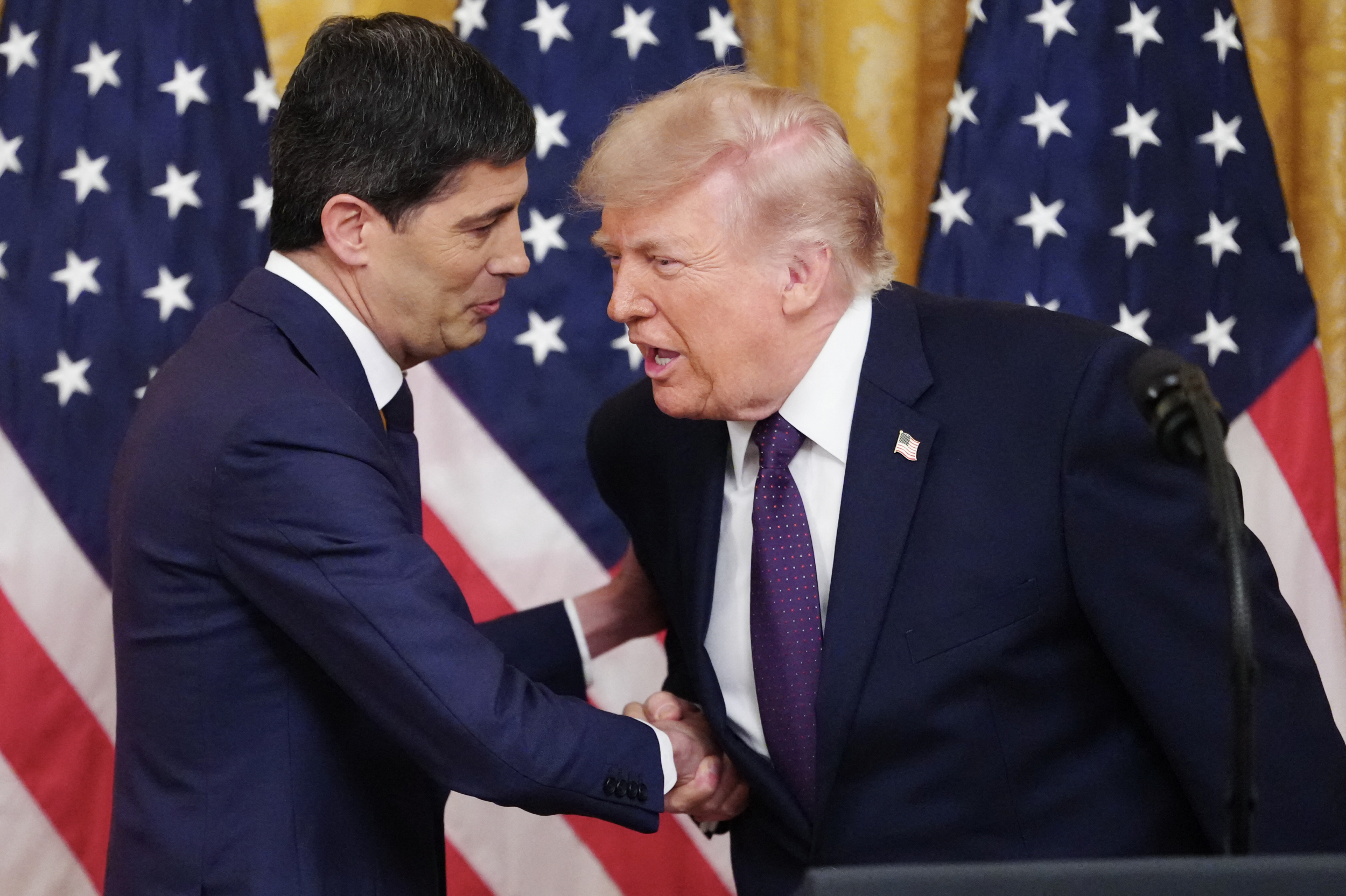
- Core Development: Indian equity benchmarks recover as investors monitor the RBI's monetary policy meeting, international crude oil prices, and corporate earnings.
- Beat Context: Categorized under World with independent corroboration.
- Reporting Depth: 4 minute analytical read synthesized from verified newsroom sources.
Global financial markets are navigating a complex matrix of monetary policy decisions and geopolitical friction as investors weigh domestic corporate earnings against escalating overseas conflict. In India, equity benchmarks recently experienced a strong recovery, snapping a prior losing streak driven by softening crude oil prices, robust corporate performance, and fresh capital inflows. The Nifty and Sensex both posted their second consecutive monthly gains, supported by domestic and foreign institutional buying.
Yet, broader sentiment remains tightly bound to international developments, particularly in the Middle East. According to Ponmudi R, CEO of Enrich Money, investor attention will remain firmly anchored on geopolitical developments, warning that any further escalation in the US-Iran conflict will have an immediate impact on crude oil prices and global risk sentiment. Reporting by Livemint highlights that Brent crude futures climbed to settle near ninety dollars per barrel following reports of disrupted tanker traffic in the Strait of Hormuz, while US West Texas Intermediate also advanced significantly.
Domestically, the Reserve Bank of India's Monetary Policy Committee is holding a three-day meeting concluding on August 5, 2026. Ajit Mishra, senior vice president of research at Religare Broking, noted that the central bank meeting has emerged as the premier domestic trigger for the trading week. Analysts anticipate that policy rates will remain unchanged, though market participants are scrutinizing central bank commentary for guidance on liquidity and future rate trajectories, even as growth forecasts remain strong.
This domestic policy focus mirrors profound monetary battles unfolding in the United States, where the Federal Reserve's recent decision to keep interest rates steady has inflamed political pressures. As detailed by the Associated Press, President Donald Trump has publicly fought for aggressive interest rate cuts to serve as economic stimulus, describing lower borrowing costs as potential rocket fuel for growth and housing affordability. Instead, benchmark rates have remained held in a target range, with the central bank adopting a hawkish hold that leaves financial markets facing heightened uncertainty over inflation.
The macroeconomic friction in Washington carries direct electoral consequences. Reports from International Business Times and AP News emphasize that rising borrowing costs, driven in part by tariffs, artificial intelligence data center financing, and the protracted conflict in Iran, have made mortgages and auto loans more expensive for American families. Federal debt servicing costs have also escalated sharply, outstripping national defense spending for the fiscal year. Economists point out that stagnant consumer sentiment stems from prices and borrowing costs outpacing wage gains, creating a difficult political backdrop for Republicans heading into the midterm elections.
Federal Reserve Chair Kevin Warsh defended the central bank's stance, indicating a willingness to let financial markets play a primary role in setting debt yields rather than relying solely on central bank levers.
Warsh stated during a press conference."Market participants are learning to play the ball, not the referee — and market prices will continue to respond in the direction and magnitude they see fit,"
Kevin Warsh, Fed Chair, via AP News
Conversely, the White House maintains that energy costs and inflation will recede once the conflict in Iran is successfully resolved.
said."Oil prices — and thus overall inflation — will plummet again when President Trump forces a successful resolution with Iran, further paving the way for additional interest rate cuts by the Federal Reserve,"
Kush Desai, White House Spokesman, via AP News
Market Triggers At A Glance
- RBI Monetary Policy Committee: Convening for a three-day session with the policy decision scheduled for August 5, 2026.
- Corporate Earnings: Major marquee firms, including Bharti Airtel, State Bank of India, and the Life Insurance Corporation of India, are releasing April-June financial results.
- Middle East Geopolitics: Ongoing conflict in Iran and shipping disruptions in the Strait of Hormuz continue to dictate crude oil volatility.
- US Federal Reserve Outlook: Market participants are tracking U.S. Economic data and Treasury yields ahead of the upcoming September policy meeting.
What happens next will depend heavily on the intersection of central bank messaging and commodity markets. In India, investors will process the Reserve Bank's interest rate statement alongside incoming corporate earnings commentaries regarding demand trends and capital expenditure plans. Globally, market observers are already looking toward the next Federal Reserve rate decision scheduled to conclude on September 16, 2026, where futures markets anticipate potential adjustments to combat persistent inflationary pressures.
How significant is this development?
Contribute your assessment to the aggregated reader sentiment ledger.
Frequently Asked Questions
Key questions answered in this reportWhat is the key development in: RBI MPC Meeting and US Iran War Shape Indian Stock Market Triggers?
Indian equity benchmarks recover as investors monitor the RBI's monetary policy meeting, international crude oil prices, and corporate earnings.
Why is this World development significant for the UK?
This report covers critical events in our World beat. Independent reporting monitors related UK statements, regulatory shifts, and public responses as further verified details emerge.
How was this reporting corroborated and verified?
Newsarchy UK compiles and cross-references reporting from primary reporting from apnews.com and cross-checked wire reports. All coverage adheres to published editorial standards.
When was this report published?
This briefing was published on August 2, 2026 and is permanently cataloged in the Newsarchy UK World archives.