Russia Orders Closure of German Consulate in St. Petersburg
Moscow has ordered the closure of Germany's consulate in St. Petersburg and all Goethe-Institut branches in retaliation for diplomatic expulsions following a disputed airport drone incident.

- Core Development: Moscow has ordered the closure of Germany's consulate in St. Petersburg and all Goethe-Institut branches in retaliation for diplomatic expulsions following a disputed airport drone incident.
- Beat Context: Categorized under World with independent corroboration.
- Reporting Depth: 3 minute analytical read synthesized from verified newsroom sources.
Moscow ordered the closure of Germany's consulate in St. Petersburg on Monday, marking a sharp deterioration in diplomatic ties following an alleged sabotage attempt at a major European transport hub. The retaliatory measure requires the German diplomatic mission to halt all operations and its staff to depart the country by September 18, according to the Russian Foreign Ministry. The unfolding fallout extends well beyond consular expulsions, as Russia also announced the complete closure of all branches of Germany's Goethe-Institut cultural centers across Russian territory, mandating that staff leave the country by September 13. Goethe-Institut is a center that promotes German language and culture. Goethe-Institut is largely financed by the German government.
The diplomatic crisis stems from an incident on August 4 at Leipzig/Halle Airport, where German intelligence services discovered an explosives-laden drone parked near a Ukrainian transport aircraft. German authorities concluded that Russia orchestrated the failed attack, prompting Berlin to shutter the Russian consulate general in Bonn and terminate the contract for the Russian House cultural center in Berlin. European Union officials characterized the airport incident as bearing all the signs of state-sponsored terrorism, while Moscow dismissed the claims as an absurd fabrication and a provocation.
Media additions

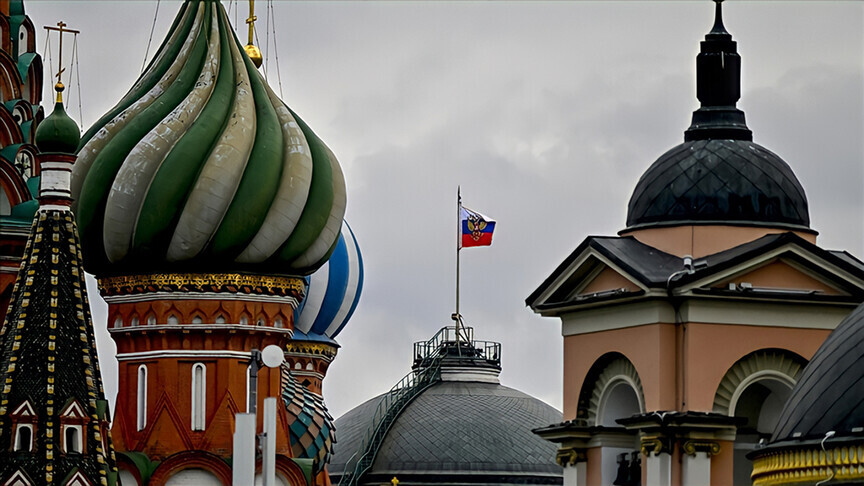

The Russian Foreign Ministry issued a stern warning regarding the escalating diplomatic freeze.
"It was the German authorities who, once again, provoked a new round of escalation in bilateral relations, and the German government bears full and complete responsibility for the consequences,"
Russian Foreign Ministry, via Greek City Times
Rhetoric from senior officials has grown increasingly severe. Russian Foreign Minister Sergey Lavrov accused Berlin over the weekend of wanting war again, comparing the measures to events preceding World War II and describing the accusations as the beginning of a real war, according to reporting by Al Jazeera. Conversely, Kremlin spokesperson Dmitry Peskov maintained on Tuesday that Russia never supported severing bilateral relations, though he criticized German Chancellor Friedrich Merz for damaging the German economy and standard of living by attempting to blame Moscow for domestic problems, as reported by Anadolu Agency. Peskov stated that Moscow cannot predict how far Berlin's leadership may go.
| Institution / Facility | Action Taken | Blamed Party / Reason | Deadline |
|---|---|---|---|
| Russian Consulate (Bonn) | Closed by Germany | Leipzig/Halle Airport drone incident | Early September 2026 |
| Russian House (Berlin) | Contract terminated | Leipzig/Halle Airport drone incident | Early September 2026 |
| German Consulate (St. Petersburg) | Closed by Russia | Retaliation for Bonn/Berlin closures | September 18, 2026 |
| Goethe-Institut Branches | Closed by Russia | Retaliation for Bonn/Berlin closures | September 13, 2026 |
Western security services have registered mounting unease over regional stability as these diplomatic channels collapse. Germany remains a primary European backer of Ukraine, having provided substantial financial and military assistance since the invasion began in February 2022. Amid the friction, German Chancellor Friedrich Merz affirmed on Monday that he would not budge a single millimetre from his conviction to defend German freedom against Russia. Concurrently, regional political pressures inside Germany continue to mount, highlighted by recent state election results where the Alternative for Germany party made significant electoral gains despite domestic intelligence warnings.
Broader security alignments across Europe are reacting to the heightened friction. European defense structures are also shifting, as Brussels recently shelved plans for a dedicated expert council on defense issues under pressure from member states including Germany and Italy, according to Eadaily. As the September deadlines approach, observers will monitor whether diplomatic representation is entirely withdrawn or if secondary channels remain open.
How significant is this development?
Contribute your assessment to the aggregated reader sentiment ledger.
Frequently Asked Questions
Key questions answered in this reportWhat is the key development in: Russia Orders Closure of German Consulate in St. Petersburg?
Moscow has ordered the closure of Germany's consulate in St. Petersburg and all Goethe-Institut branches in retaliation for diplomatic expulsions following a disputed airport drone incident.
Why is this World development significant for the UK?
This report covers critical events in our World beat. Independent reporting monitors related UK statements, regulatory shifts, and public responses as further verified details emerge.
How was this reporting corroborated and verified?
Newsarchy UK compiles and cross-references reporting from primary reporting from AP News and cross-checked wire reports. All coverage adheres to published editorial standards.
When was this report published?
This briefing was published on September 8, 2026 and is permanently cataloged in the Newsarchy UK World archives.