Russia could attack a Nato country within months, Danish intelligence says
Danish intelligence warns that Russia could launch a limited military attack against a Nato country in the coming months.
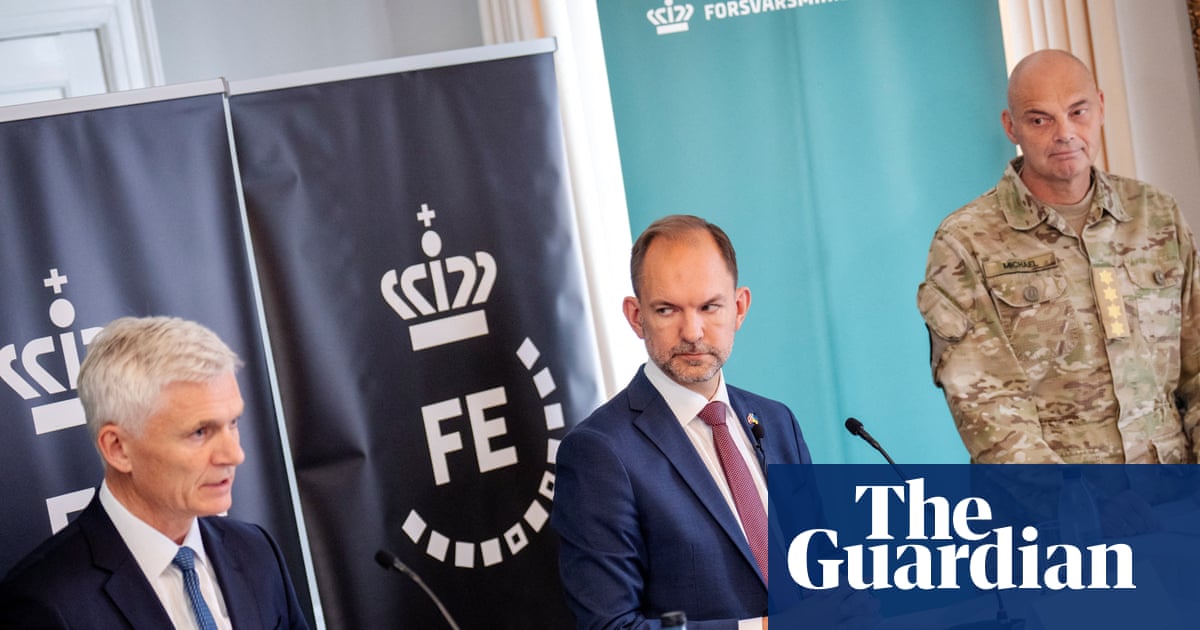
- Core Development: Danish intelligence warns that Russia could launch a limited military attack against a Nato country in the coming months.
- Beat Context: Categorized under World with independent corroboration.
- Reporting Depth: 4 minute analytical read synthesized from verified newsroom sources.
Western security services have issued one of their starkest warnings yet, with Danish intelligence stating that Russia could launch a limited military attack against a Nato country in the coming months. Published on Thursday, the report from the Danish defence intelligence service warned of a low but growing risk that Moscow could execute long-range strikes on Nato infrastructure supporting Ukraine, or carry out a limited incursion into a neighbouring country using a small number of troops, potentially operating without insignia.
According to DDIS head Thomas Ahrenkiel, speaking at a press conference on Thursday, such a limited military attack could involve deploying a small number of troops under the pretext of protecting local Russian minorities. Ahrenkiel stressed that while an outright invasion of a Nato country remains highly unlikely, it cannot be ruled out. The Danish intelligence agency assessed that Russia would need about six months to build up a military force for a full-scale operation, noting that a force build-up of that scale would require several months of preparation and prove difficult to conceal.
Media additions


The warning arrived hours after a fire broke out overnight at a Starlink satellite station in central Poland. According to reports, Polish Deputy Prime Minister Krzysztof Gawkowski described the blaze in the Masovian voivodeship as an act of sabotage deliberately designed to disable the station and disrupt internet access for institutions, including the Ukrainian military. Gawkowski noted that while the station remained operational, many signs suggested the incident aligned with Russia's new doctrine of attack, as previously highlighted by Polish Prime Minister Donald Tusk. The Starlink station transmits internet traffic through Poland to countries including Ukraine, using SpaceX systems that provide connectivity via Starlink terminals.
The escalation follows a broader pattern of malign activity across Europe. Earlier in the month, Germany publicly blamed Russia for an attempted drone attack on Leipzig/Halle airport, while other incidents included fires at drone factories and sabotage targeting rail infrastructure. In addition, the Danish Security and Intelligence Service (PET) stated that Russian intelligence services are actively recruiting ordinary Danes on social media to take photos used in planning acts of sabotage against the defence industry in Denmark. Russia has consistently denied involvement in these operations, and the Russian embassy in Copenhagen rejected the threat assessment as unsupported by credible evidence, accusing the West of driving up tensions over Ukraine.
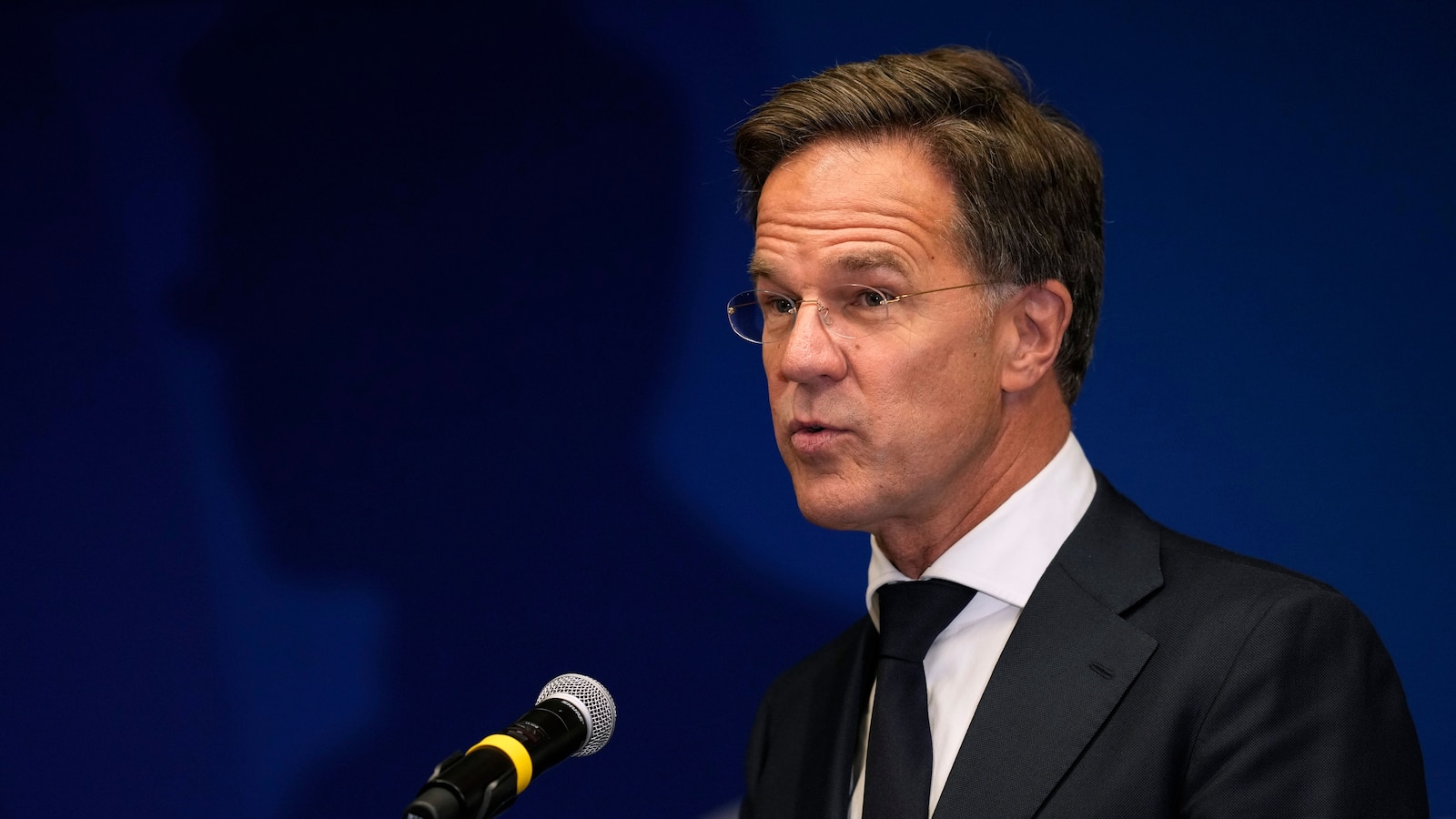
Despite the rising threat level, alliance leaders sought to project stability. Speaking at a ceremony in New York on Thursday, marking the anniversary of the attacks on the United States, NATO Secretary-General Mark Rutte urged citizens of the 32 NATO countries to remain calm, arguing that Vladimir Putin is losing the war in Ukraine, now in its fifth year.
"All the response options are there, and we will use whatever we need,"
Mark Rutte, NATO Secretary-General, via ABC News
Rutte emphasized that continued weapon supplies to Ukraine remain the best response.
Intelligence officials emphasize that Moscow's primary objective with these hybrid actions is to divert European resources away from supporting Ukraine and deepen divisions within Nato if members fail to agree on a collective response under Article 5. A source familiar with Moscow’s thinking, speaking on condition of anonymity, stated that the Russian military top command is convinced some Nato countries are directly involved in the war by helping to guide missiles and drones, leading Moscow to believe Nato is already waging a hybrid war.
Political jitters also persist regarding broader alliance cohesion. Questions have been raised over long-term U.S. Commitments under Donald Trump, alongside regional hesitation from figures such as Slovakia's Prime Minister Robert Fico, who recently cast doubt on his country's commitment to collective defence principles, stating he did not want Slovakia drawn into a military conflict because of Article 5. Meanwhile, Ukrainian President Volodymyr Zelenskyy, speaking at the United Nations General Assembly on Wednesday, warned that the more freedom Putin has to act, the more dangerous the world becomes for everyone else, and that Russia continues to threaten countries beyond Ukraine, including Moldova, Poland, and the Baltic states.
As security services monitor developments across the continent, European nations continue to adapt defensive postures, with Denmark raising threat levels through its resilience agencies ahead of anticipated cyber and sabotage operations. As the situation evolves, NATO commanders and intelligence agencies continue to track Russian hybrid activities while preparing for any potential contingencies in the coming months.
How significant is this development?
Contribute your assessment to the aggregated reader sentiment ledger.
Frequently Asked Questions
Key questions answered in this reportWhat is the key development in: Russia could attack a Nato country within months, Danish intelligence says?
Danish intelligence warns that Russia could launch a limited military attack against a Nato country in the coming months.
Why is this World development significant for the UK?
This report covers critical events in our World beat. Independent reporting monitors related UK statements, regulatory shifts, and public responses as further verified details emerge.
How was this reporting corroborated and verified?
Newsarchy UK compiles and cross-references reporting from primary reporting from The Kyiv Independent and cross-checked wire reports. All coverage adheres to published editorial standards.
When was this report published?
This briefing was published on September 24, 2026 and is permanently cataloged in the Newsarchy UK World archives.