Russia reports cyberattacks on voting system during State Duma election
Russia reported widespread cyberattacks on its electronic voting system during the State Duma election, the first parliamentary vote since the invasion of Ukraine.

- Core Development: Russia reported widespread cyberattacks on its electronic voting system during the State Duma election, the first parliamentary vote since the invasion of Ukraine.
- Beat Context: Categorized under World with independent corroboration.
- Reporting Depth: 5 minute analytical read synthesized from verified newsroom sources.
Russia’s State Duma election, the first parliamentary vote since the 2022 invasion of Ukraine, was interrupted on its second day by a series of reported cyberattacks. According to the Central Election Commission, the electronic voting system in Moscow was hit by a “powerful” attack overnight, and similar disruptions were reported across the country’s 11 time zones. The incident comes as the Kremlin seeks to portray the vote as a barometer of public support for the war, while the opposition faces a tightly controlled political environment.
Cyber‑attack claims amid a tightly‑controlled vote
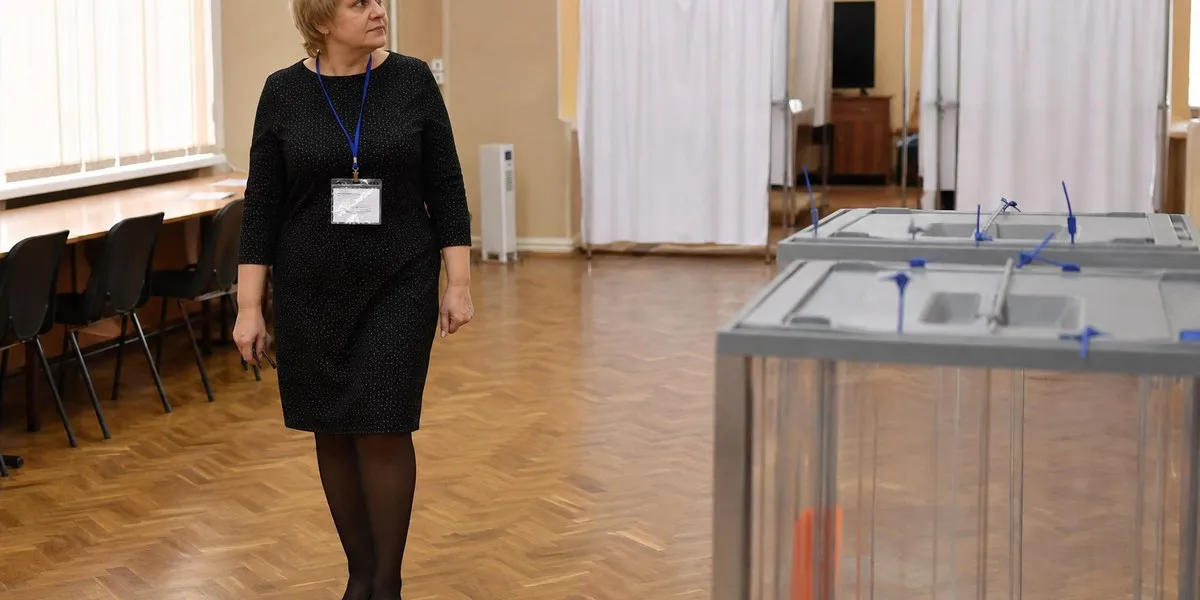
On Saturday, Russian authorities said the country’s voting systems had come under a “powerful” cyberattack. Chief election official Ella Pamfilova described the assault as “very large‑scale and intense,” adding that it was “ongoing almost constantly.” The Central Election Commission (CEC) reported that the attacks were being successfully repelled and that the online voting system in Moscow remained in standard operational mode. The Digital Ministry confirmed a sabotage attempt on a communication line in the Far East, but said all lines were restored with no disruption to the vote. Yahoo News and Al Jazeera echoed the official account, noting that the attacks continued overnight and were “non‑stop” in Moscow. RTE added that the system’s security “allows for continuity of voting,” and that all attacks were being “repelled.”
Media additions


The attacks were not confirmed by independent observers. Radio Free Europe/Radio Liberty noted that no independent confirmation existed as of September 19, and that the CEC’s claims were based on internal security assessments. The NewsCord article highlighted the split in coverage, with most outlets repeating the official story while a minority reported a lack of independent verification.
Putin’s accusation of Ukrainian interference
No evidence was presented to support the claim, and Kyiv has not responded. Al Jazeera quoted a statement from the Russian Foreign Ministry that the election would demonstrate public support for the war.
Election context and turnout
The State Duma election, running from September 18 to 20, is the first parliamentary contest in Russia since the full‑scale invasion of Ukraine began in February 2022. It is widely expected to return the ruling United Russia party to its dominant position. The ballot lists 11 parties, including the Communist Party, the Liberal Democratic Party, A Just Russia, and New People. The liberal Yabloko party, which had called for a ceasefire in Ukraine, was removed from the party‑list ballot earlier in the month after a Supreme Court ruling, though its candidates remain on the ballot in single‑member constituencies. ABC News reports that the election is being used as a gauge of public support for the war.
As of midday September 19, the CEC reported a turnout of 32.58 % nationwide. The figure includes more than three million remote votes cast through the electronic system in 32 regions. teleSUR English noted that the remote system is designed to increase accessibility for voters in remote or conflict‑affected areas. Remote voting has been used in the occupied Ukrainian territories of Donetsk, Luhansk, Kherson and Zaporozhye, where the CEC claims Russian citizens are allowed to vote in person or via the online platform.
Regional turnout variation
| Region | Turnout (%) |
|---|---|
| Chechnya | 63.20 |
| Bryansk Region | 60.70 |
| Kherson Region | 58.31 |
| Tuva | 51.05 |
The high turnout in Chechnya and Bryansk, both border regions, has been attributed by the CEC to early voting and local mobilisation. The 58.31 % figure in Kherson, a territory annexed by Russia in 2022, underscores the Kremlin’s claim that the vote is a measure of support in occupied areas. The 51.05 % in Tuva, a remote republic in the far south, reflects the use of remote voting to overcome logistical challenges.
Transnistria dispute
The election has also sparked a diplomatic row with Moldova over plans to open 15 polling stations for Russian nationals in the separatist Transnistria region. Moscow says 220,000 residents of Transnistria hold Russian passports and are entitled to vote on Sunday, while the Moldovan government insists that Russians may only vote in a single polling station at the Russian embassy in Chisinau. The dispute highlights the broader contest over the status of breakaway territories and the legitimacy of Russian‑backed elections.
What to watch next
- Polling closes 20 September at 18:00 GMT; final turnout figures will be released the next day.
- Official results for all 450 State Duma seats are expected no earlier than 21 September.
- Observers will begin counting ballots; independent verification of the electronic system’s integrity remains pending.
- Diplomatic tensions with Moldova over Transnistria polling stations may intensify as the election concludes.
The cyberattacks, whether isolated incidents or part of a broader interference campaign, underscore the fragility of Russia’s electoral infrastructure during wartime. As the election proceeds, the international community will continue to scrutinise both the technical resilience of the voting system and the political legitimacy of the results. Whether the Kremlin can maintain the narrative of overwhelming public support remains to be seen, but the ongoing vote will shape Russia’s domestic politics and its approach to the conflict in Ukraine for the coming months.
How significant is this development?
Contribute your assessment to the aggregated reader sentiment ledger.
Frequently Asked Questions
Key questions answered in this reportWhat is the key development in: Russia reports cyberattacks on voting system during State Duma election?
Russia reported widespread cyberattacks on its electronic voting system during the State Duma election, the first parliamentary vote since the invasion of Ukraine.
Why is this World development significant for the UK?
This report covers critical events in our World beat. Independent reporting monitors related UK statements, regulatory shifts, and public responses as further verified details emerge.
How was this reporting corroborated and verified?
Newsarchy UK compiles and cross-references reporting from primary reporting from The Counteroffensive with Tim Mak and cross-checked wire reports. All coverage adheres to published editorial standards.
When was this report published?
This briefing was published on September 19, 2026 and is permanently cataloged in the Newsarchy UK World archives.