Russia says Ukrainian drone kills seven at Gelendzhik beach
A Ukrainian drone struck a beach resort near Gelendzhik, killing seven people – including three children – and injuring about 40.
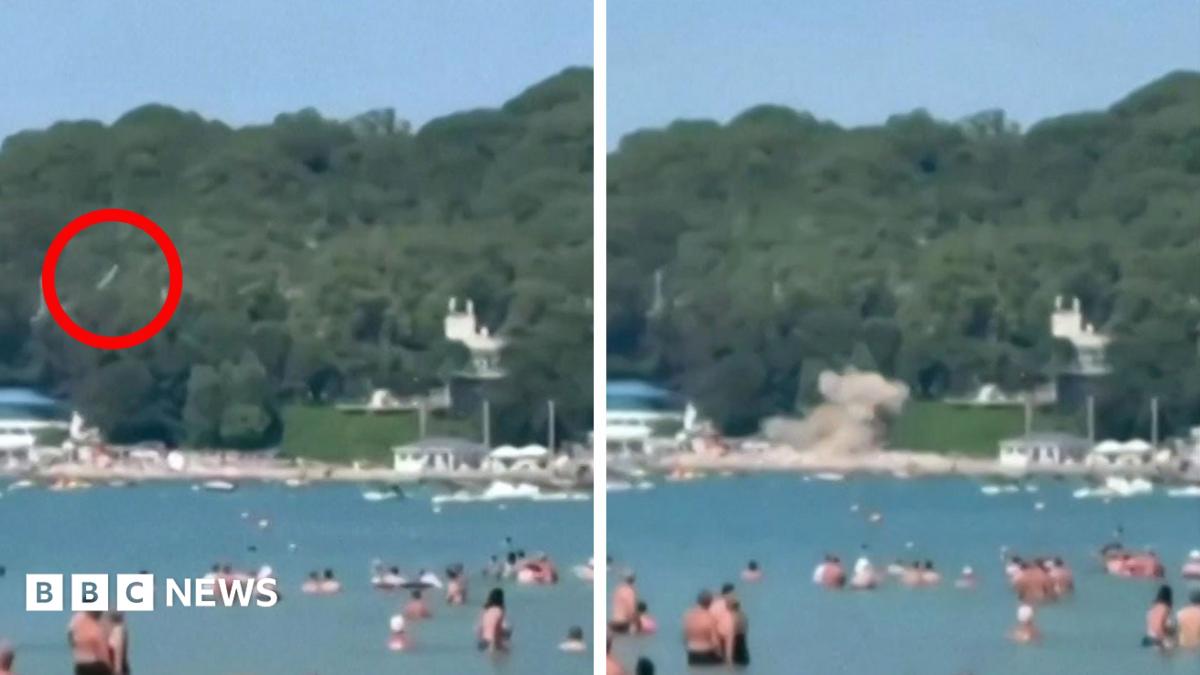
- Core Development: A Ukrainian drone struck a beach resort near Gelendzhik, killing seven people – including three children – and injuring about 40.
- Beat Context: Categorized under World with independent corroboration.
- Reporting Depth: 3 minute analytical read synthesized from verified newsroom sources.
Regional governor Veniamin Kondratyev confirmed three of the dead were children. Emergency services struggled to reach the crowded shoreline of Arkhipo‑Osipovka, which the BBC’s verification team geolocated as the impact site. The governor’s statement came after a separate incident earlier on Monday, when a suspected Ukrainian drone hit a warehouse belonging to Wildberries – often described as “Russia’s Amazon” – injuring at least three people.
Wildberries, Russia’s biggest online retailer, has been caught in the cross‑hairs because Kyiv alleges its depots are used to supply the Russian military, a claim Moscow has denied. BBC noted that the targeting of the retailer “brings the war closer to home”, echoing analysis by its Russia editor Steve Rosenberg, who sees a “push by Kyiv to target more Russian infrastructure in recent weeks”.
Media additions
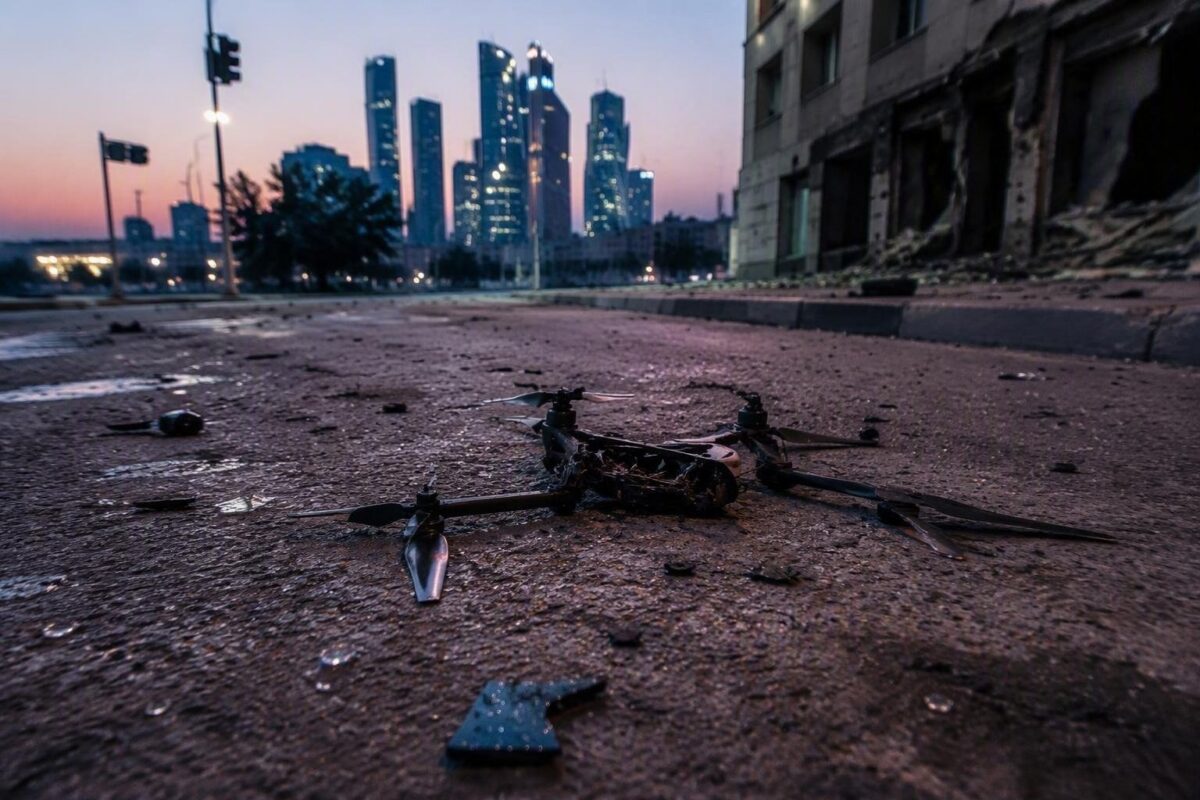
Ukrainian President Volodymyr Zelenskyy has not commented directly on the Gelendzhik strike, but his broader remarks earlier in the day warned that President Vladimir Putin is “dragging out” the conflict and that Kyiv cannot guarantee when its own efforts will leave Russia with “no alternative but peace”.
While the beach attack dominated headlines, it was part of a broader pattern of drone activity across Russia on the same day. In the Moscow region, Governor Andrei Vorobyov reported a separate drone assault that killed five people and injured six. The most severe damage was recorded in the Chekhov municipal district, where several fires erupted in the Novoselki industrial zone, including a large blaze at a warehouse that was later extinguished.
Additional damage in the Moscow region included an electrical substation and an administrative building. In the village of Solnyshkovo, drone fragments ignited a private home and a car, though no injuries were recorded. Vorobyov said the army continues to repel the attacks and noted that drones were also spotted in the districts of Volokolamsk, Klin and Serebryanye Prudy.
The same week saw other lethal Ukrainian drone incidents far from the front. In the Samara region, a Wildberries warehouse was hit, but the company’s press office stressed that there were no deaths or injuries. Further north, a drone crashed a few metres from one of the six reactors at the Zaporizhia nuclear power plant – a facility on Ukrainian soil that is under Russian occupation – yet “there was no explosion and therefore no damage to the plant”, according to the same report.
Beyond drones, the day’s violence included a shooting in the village of Khmelnytskyi, Sevastopol, where, according to Governor Mikhail Razvozhaev, a Russian soldier opened fire on fellow soldiers and civilians, killing four and wounding four. The shooter was subsequently arrested and the injured were taken to emergency care.
Timeline of Monday’s attacks
- Mid‑day – Drone impacts a warehouse in the Novoselki industrial zone near Moscow, sparking fires and killing five, injuring six.
- Afternoon – Drone fragments hit a private home and car in Solnyshkovo; no injuries.
- Evening – Drone hits a beach resort at Arkhipo‑Osipovka near Gelendzhik; seven dead, including three children, and about 40 injured.
- Later evening – Shooting incident in Khmelnytskyi, Sevastopol; four killed, four wounded.
Each of these events was confirmed by regional governors or official statements, and all were linked to Ukrainian‑sourced drones either directly or by attribution from Russian authorities.
What to watch next
For a broader view of how the drone campaign fits within the war’s evolving tactics, see our ongoing coverage of Ukraine’s strikes on Russian coastal resorts and the recent ballistic missile attacks on Kyiv.
How significant is this development?
Contribute your assessment to the aggregated reader sentiment ledger.
Frequently Asked Questions
Key questions answered in this reportWhat is the key development in: Russia says Ukrainian drone kills seven at Gelendzhik beach?
A Ukrainian drone struck a beach resort near Gelendzhik, killing seven people – including three children – and injuring about 40.
Why is this World development significant for the UK?
This report covers critical events in our World beat. Independent reporting monitors related UK statements, regulatory shifts, and public responses as further verified details emerge.
How was this reporting corroborated and verified?
Newsarchy UK compiles and cross-references reporting from primary reporting from notizie.it and cross-checked wire reports. All coverage adheres to published editorial standards.
When was this report published?
This briefing was published on August 4, 2026 and is permanently cataloged in the Newsarchy UK World archives.