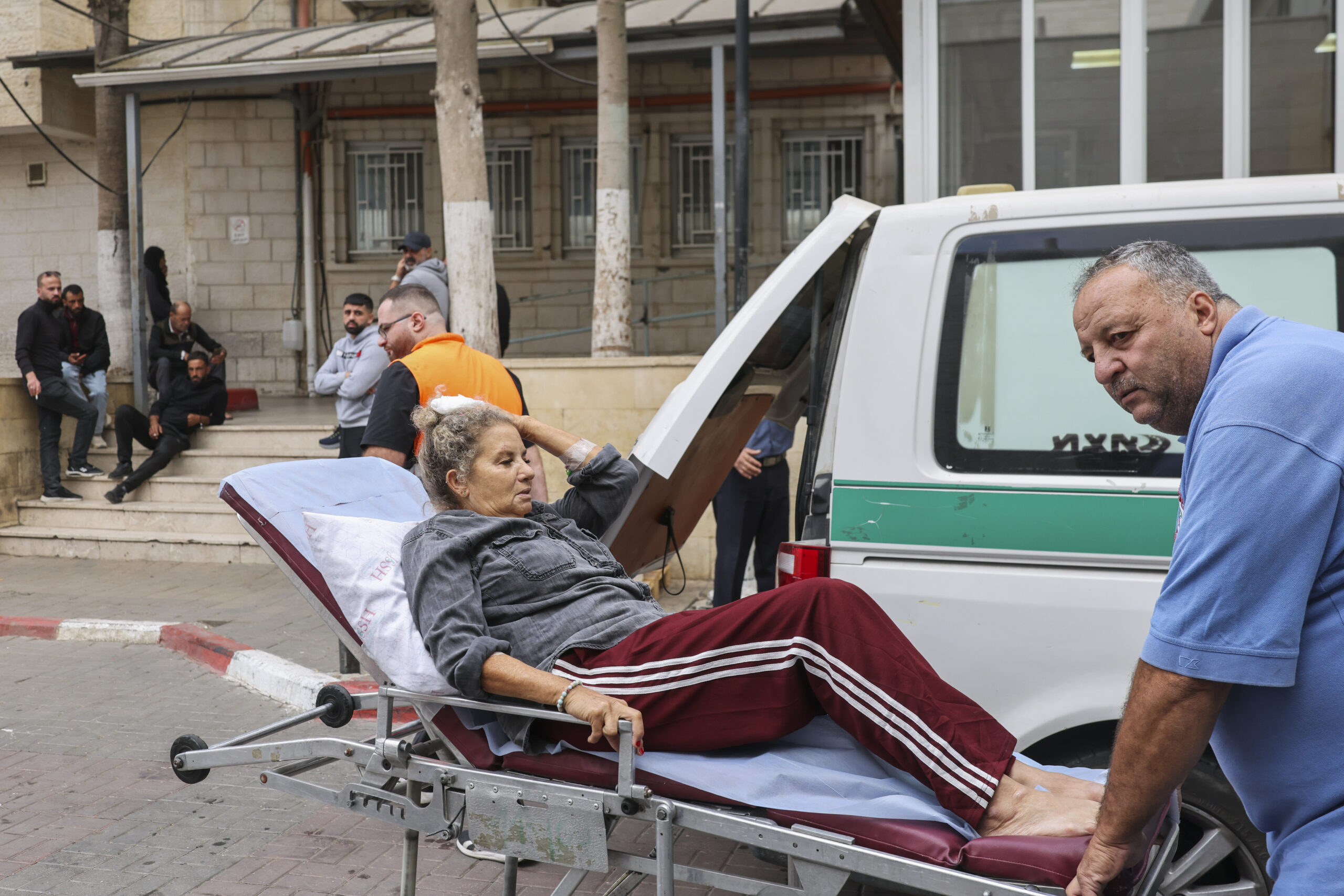
Russian missile barrage kills 12 in Kyiv, leaves 90,000 homes without power
A massive Russian missile and drone strike on Kyiv has killed at least 12 people, damaged residential areas, and knocked out power to thousands of homes.

- Core Development: A massive Russian missile and drone strike on Kyiv has killed at least 12 people, damaged residential areas, and knocked out power to thousands of homes.
- Beat Context: Categorized under World with independent corroboration.
- Reporting Depth: 4 minute analytical read synthesized from verified newsroom sources.
In the early hours of Thursday, 20 August 2026, a coordinated wave of ballistic missiles and drones slammed into Ukraine’s capital, leaving a trail of death, injury and darkness across several districts. India Today reported at least twelve people killed and thirty-three wounded, while Al Jazeera put the death toll at thirteen, illustrating the fluidity of information as rescue crews worked through the rubble.
Where the explosions hit
The blasts rang out across the Sviatoshynskyi, Solomianskyi and Shevchenkivskyi districts, shaking windows and setting car alarms off, according to the Kyiv Independent and corroborated by multiple on-the-ground witnesses. A Reuters witness heard more than a dozen explosions across the capital.
Media additions
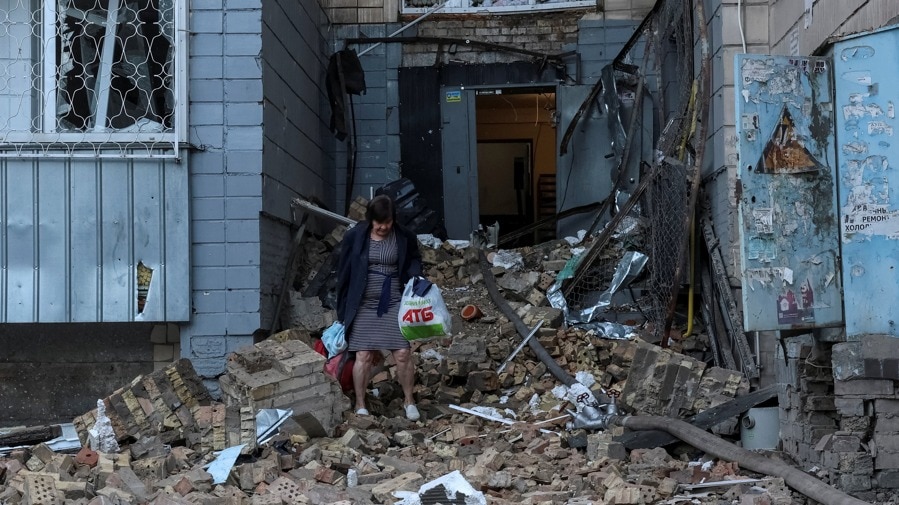
In Solomianskyi, a nine-storey residential block suffered a catastrophic collapse. Kyiv Mayor Vitali Klitschko said on Telegram that the upper two floors were completely destroyed and flames climbed the remaining stories, killing seven people in that building alone. He added that a children’s hospital in the same district sustained damage, with shattered windows and burning vehicles on its grounds.
Klitschko stated that people were trapped at another residential building, prompting emergency teams to scour the debris for survivors. The Darnytskyi and Sviatoshynskyi districts also suffered damage to non-residential facilities, including warehouses, a school and the children's hospital. Ukraine’s Emergency Services confirmed thirty-three injuries, describing the episode as a massive attack, and reported that rescuers retrieved at least two people from the rubble.
An attack further out in the Brovary district of the Kyiv region killed one person and wounded another, according to Kyiv region’s Governor Tymur Tkachenko, who noted that an industrial facility was damaged.
Power cuts plunge the city into darkness
State-run power company DTEK estimated that roughly ninety thousand homes lost electricity as a result of the strikes. By the time morning reports were issued, more than half of those premises had already been re-energised, while parts of the Sviatoshynskyi and Solomianskyi districts remained without power.
Russian justification and technical details
The Russian Defence Ministry framed the operation as a legitimate strike using missiles and drones targeting facilities producing drone components, a military depot and a logistics hub. Al Jazeera's Audrey MacAlpine reported from Kyiv that air alarms continued to sound on Thursday morning and We know that two fuel industrial facilities were hit,
she said.
MacAlpine warned that Ukraine’s dwindling stock of Patriot interceptor missiles could become a problem when Russia turns its attention to energy infrastructure that keeps heat and electricity flowing through the winter months. Meanwhile, the Russian Ministry of Defence claimed it had shot down seven hundred twenty-six Ukrainian UAVs between Wednesday evening and Thursday morning across several regions, the Black Sea and the Sea of Azov.
Neighbouring NATO and regional states activate defences
Poland’s military command announced it had mobilised aircraft and activated air-defence batteries along its border to protect its airspace. Romania’s Ministry of National Defence reported radar contacts near the Ukrainian frontier overnight, prompting the deployment of two Spanish jets deployed on NATO missions and a Romanian air force helicopter. The ministry also said a drone entered Romanian airspace near Galati before crashing in an unpopulated area of Tulcea county. Additionally, a drone crossed Moldova's airspace according to the country's military.
Political backdrop in Kyiv
The barrage arrived a day after Ukraine’s parliament confirmed Yevhenii Khmara as the new defence minister in a vote supported by three hundred twelve lawmakers against two, comfortably clearing the required threshold. President Volodymyr Zelenskyy praised the appointment as a boost to strength. Opposition lawmaker Solomiia Bobrovska warned that pulling Khmara from his intelligence role could be a mistake, even while praising him personally. Khmara, a career intelligence official who previously led the SBU’s Alpha special operations unit, pledged to do everything to defend Ukraine, reduce Russia’s war potential, and force the enemy into a just peace.
Khmara's appointment follows the July ousting of former Defence Minister Mykhailo Fedorov after a public rupture with armed forces commander-in-chief Oleksandr Syrskii. Fedorov subsequently released a video calling for Ukraine to move towards holding elections, which remain suspended under wartime law. Dozens of demonstrators rallied in Kyiv on Wednesday in support of Fedorov's call, though Ukrainian law bars wartime elections and no major political figure has pushed back against the suspension since the full-scale invasion began in February 2022.
Diplomatic currents
Amid the devastation, Ukraine has submitted peace-plan proposals to U.S. Negotiators Steve Witkoff and Jared Kushner, President Zelenskyy announced earlier in the month. Russia’s foreign-ministry spokeswoman Maria Zakharova told the Izvestia newspaper that Moscow was ready to arrange a meeting with U.S. Officials at short notice, though she stated that Russia had not yet received specific proposals for new talks.
What comes next
Power crews continue to work on restoring electricity to the remaining homes, while emergency units finish searching the damaged structures for any survivors. Neighbouring NATO allies remain on heightened alert, with Poland and Romania maintaining activated air-defence assets and monitoring cross-border drone activity as diplomatic efforts to end the war remain stalled.
How significant is this development?
Contribute your assessment to the aggregated reader sentiment ledger.
Frequently Asked Questions
Key questions answered in this reportWhat is the key development in: Russian missile barrage kills 12 in Kyiv, leaves 90,000 homes without power?
A massive Russian missile and drone strike on Kyiv has killed at least 12 people, damaged residential areas, and knocked out power to thousands of homes.
Why is this World development significant for the UK?
This report covers critical events in our World beat. Independent reporting monitors related UK statements, regulatory shifts, and public responses as further verified details emerge.
How was this reporting corroborated and verified?
Newsarchy UK compiles and cross-references reporting from primary reporting from indiatoday.in and cross-checked wire reports. All coverage adheres to published editorial standards.
When was this report published?
This briefing was published on August 20, 2026 and is permanently cataloged in the Newsarchy UK World archives.