Spain court opens criminal inquiry into organized role in Ceuta migrant crisis
Spain's high court has launched a criminal investigation into the July 2026 mass border crossings in Ceuta to determine if networks orchestrated the crisis.
- Core Development: Spain's high court has launched a criminal investigation into the July 2026 mass border crossings in Ceuta to determine if networks orchestrated the crisis.
- Beat Context: Categorized under World with independent corroboration.
- Reporting Depth: 3 minute analytical read synthesized from verified newsroom sources.
Spain’s highest criminal court has launched an official inquiry into whether the mass border crossing that overwhelmed the North African exclave of Ceuta was orchestrated by organized criminal networks, marking a dramatic escalation in the fallout from the humanitarian crisis.
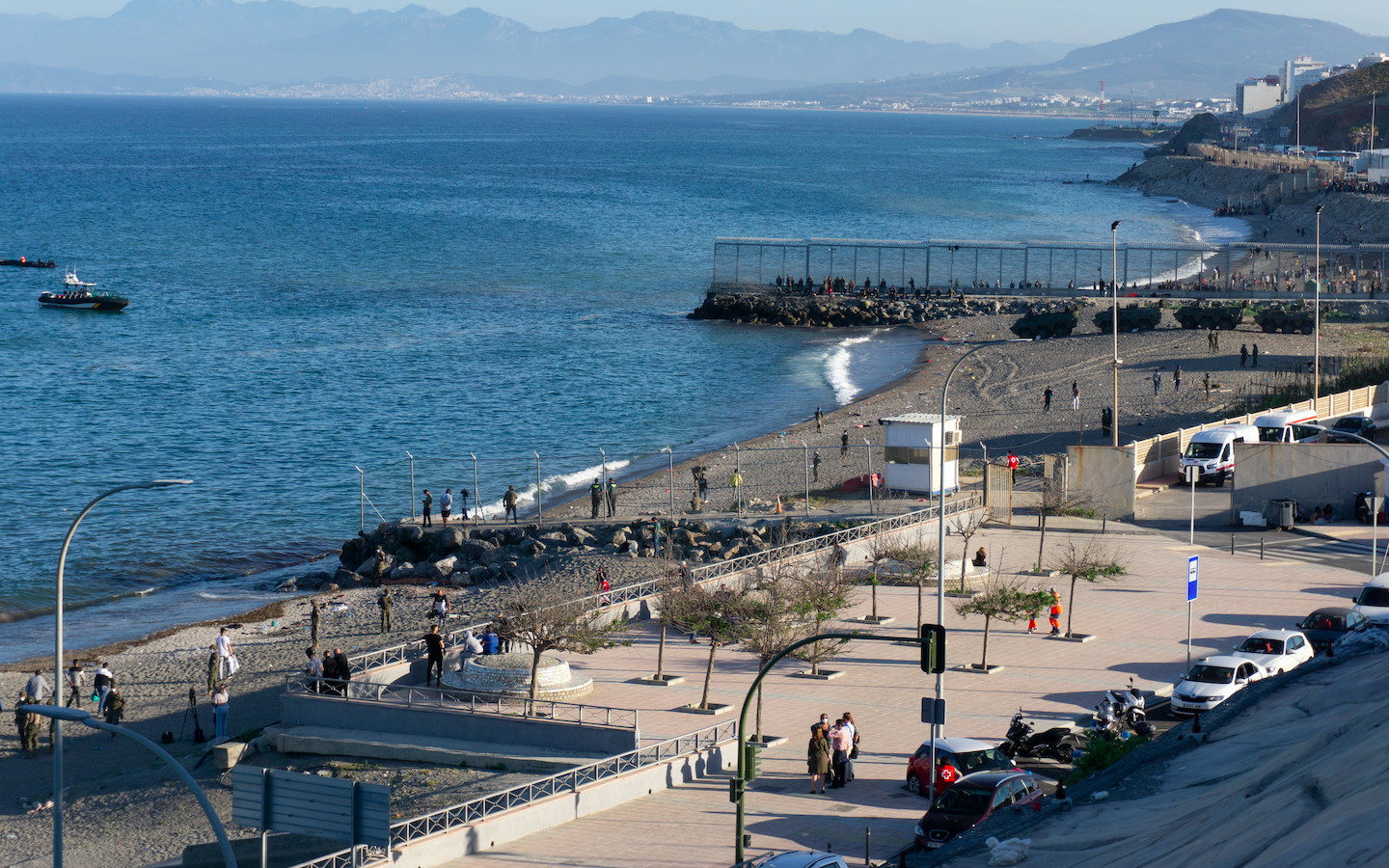
The Audiencia Nacional opened preliminary proceedings following an unprecedented surge on July 30 and July 31, 2026, when thousands of people rushed into the Spanish territory. Judge María Tardón has instructed police authorities to prepare a detailed report determining whether the crossings were coordinated or directed from neighboring Morocco, or whether they represented a spontaneous rush.
Media additions
The court action follows a formal complaint filed by Iustitia Europa, which alleges offenses including crimes against state security, facilitating illegal immigration, and participating in a criminal organization. The inquiry arrives as the humanitarian toll of the border rush continues to reverberate across Europe.
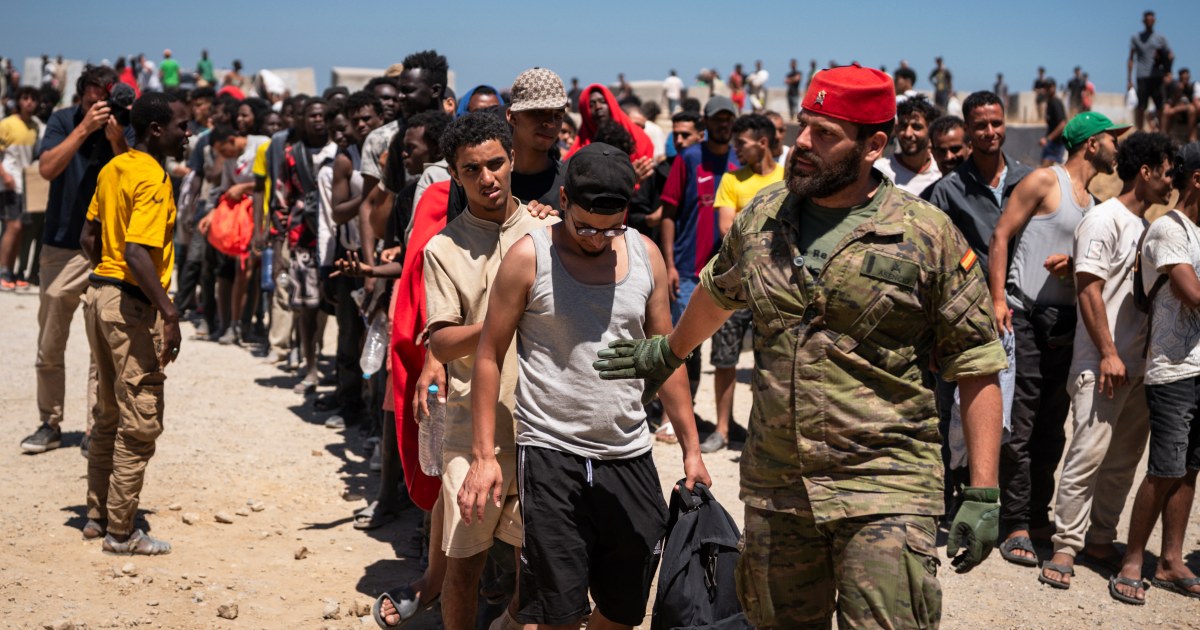
Official estimates indicate that the border rush involved roughly 60,000 arrivals, primarily around the Tarajal border area and via the sea. Spain reported that the vast majority of those who crossed returned voluntarily to Morocco within days, but the official death toll on the Spanish side reached 72, with 11 additional deaths recorded on the Moroccan side. Hundreds of unaccompanied minors remain in Ceuta under special legal protections from deportation, according to local official Alberto Gaitan, while Ceuta’s leader Juan Jesus Vivas told broadcaster Telecinco that between 3,000 and 5,000 migrants remained in the exclave and its reception centers had collapsed.
The sudden influx exposed deep fractures within the European Union and intensified diplomatic tensions between Madrid and Rabat. Foreign Minister José Manuel Albares criticized some EU partners for an unhelpful and polarizing response, specifically accusing Italy’s government of amplifying misinformation, while stating that Spain expected reciprocal backing after supporting other EU countries during past migration crises.
The political blame game has involved multiple capitals and domestic ministries. While Spanish Prime Minister Pedro Sánchez blamed human trafficking networks for misleading migrants about ease of entry, intelligence leaks to newspapers indicated that Spanish intelligence services concluded Morocco did not plan the mass crossing, but allowed it to happen by relaxing border controls during a holiday period. Moroccan authorities have publicly blamed social media misinformation, human trafficking rings, and misunderstandings of Spanish court rulings regarding migrant returns.
Academic experts emphasize that the crisis cannot be reduced to a single geopolitical conspiracy. Miriyam Aouragh, a professor of digital anthropology at the University of Westminster, explained that the surge was driven by a convergence of postcolonial border ambiguities, severe economic inequality within Morocco, and viral social media rumors that created a perceived window of opportunity. Commenting on the driving domestic factors, Aouragh noted that deepening economic disparities and recent youth protests in Morocco have fueled desperation among ordinary citizens seeking alternatives abroad.
Meanwhile, international smuggling syndicates appear to be capitalizing on the broader climate of border uncertainty. According to undercover reports cited by International Business Times, human trafficking networks across Europe have begun slashing prices for dangerous small boat crossings as they attempt to recruit new customers from pools of displaced migrants.
What to watch next
- The Comisaría General de Extranjería y Fronteras must submit its requested investigative report to Judge María Tardón.
- The Audiencia Nacional will evaluate whether sufficient evidence exists to formally transition the preliminary proceedings into a full criminal conspiracy trial.
- European interior ministers continue consultations regarding external border policies and regional security coordination.
How significant is this development?
Contribute your assessment to the aggregated reader sentiment ledger.
Frequently Asked Questions
Key questions answered in this reportWhat is the key development in: Spain court opens criminal inquiry into organized role in Ceuta migrant crisis?
Spain's high court has launched a criminal investigation into the July 2026 mass border crossings in Ceuta to determine if networks orchestrated the crisis.
Why is this World development significant for the UK?
This report covers critical events in our World beat. Independent reporting monitors related UK statements, regulatory shifts, and public responses as further verified details emerge.
How was this reporting corroborated and verified?
Newsarchy UK compiles and cross-references reporting from primary reporting from nbcnews.com and cross-checked wire reports. All coverage adheres to published editorial standards.
When was this report published?
This briefing was published on August 4, 2026 and is permanently cataloged in the Newsarchy UK World archives.