Spain and Morocco halt Ceuta border rush after 57 die
Security forces have halted an unprecedented mass migration rush into the Spanish enclave of Ceuta that left 57 dead and triggered fierce European rifts.
- Core Development: Security forces have halted an unprecedented mass migration rush into the Spanish enclave of Ceuta that left 57 dead and triggered fierce European rifts.
- Beat Context: Categorized under World with independent corroboration.
- Reporting Depth: 4 minute analytical read synthesized from verified newsroom sources.
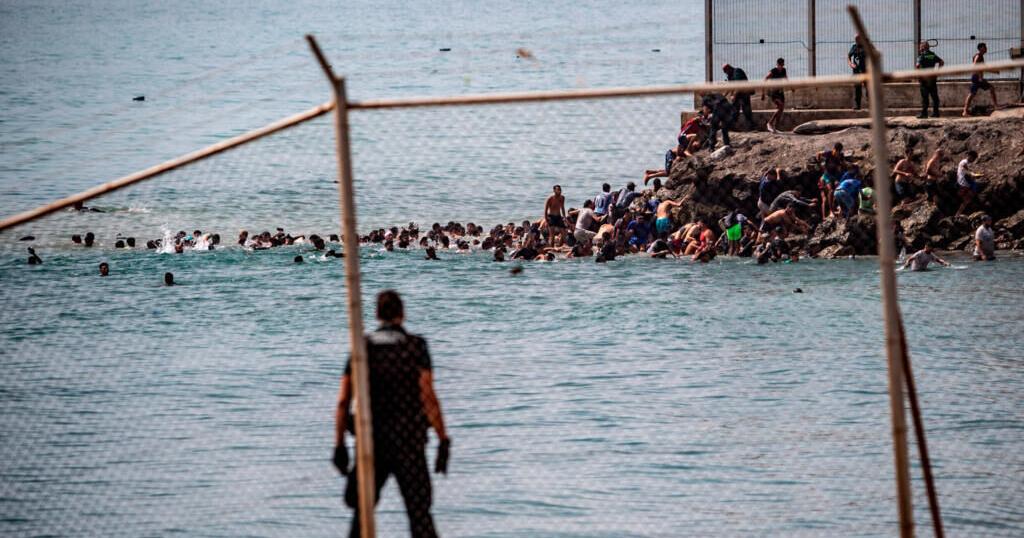
Spain and Morocco have moved to secure the border of the Spanish North African enclave of Ceuta, halting an unprecedented mass migration rush that left dozens of people dead and triggered a severe diplomatic dispute across Europe.
Tens of thousands of individuals surged across the frontier by land and sea, overwhelming local infrastructure in disarray. Juan Jesus Vivas, head of the local government, told reporters that as many as 60,000 people had pushed into the territory over a matter of days. Spain's Interior Ministry estimated that roughly 50,000 people had crossed since Thursday morning, a volume that dwarfed the total entries recorded across entire previous years.
Media additions

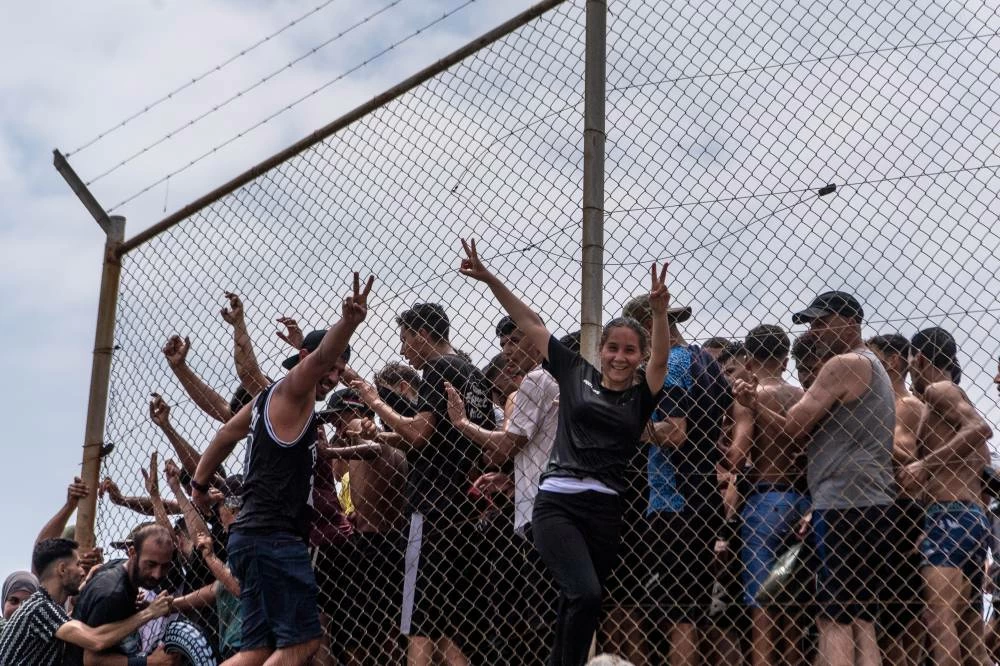
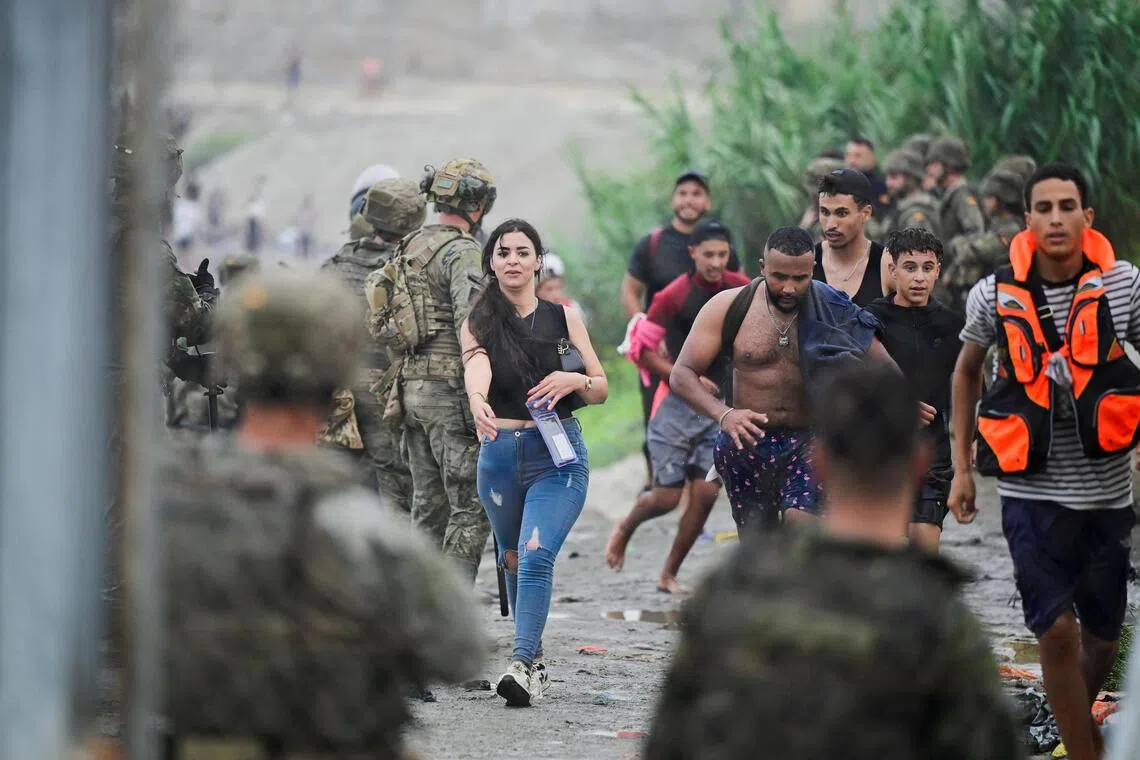
Tragedy accompanied the influx. The Spanish government's representative in the enclave confirmed that 57 bodies had been recovered on the Spanish side of the border according to reporting by Reuters, with additional casualties suspected on the Moroccan side. Officials noted that some victims drowned while swimming from nearby coastal towns such as Fnideq and Belyounech, while others were crushed against the breakwater supporting the border fence.
Authorities and experts offered differing explanations for the sudden surge. Territorial Policy Minister Angel Victor Torres pointed to a Spanish Supreme Court ruling earlier in July stating that migrants intercepted at sea while trying to reach Ceuta or Melilla cannot be summarily rejected at the border under special rules. Meanwhile, Spanish journalist Ignacio Cembrero suggested that Moroccan security forces had sat on their hands, using the migration pressure as a tool of diplomatic leverage against Madrid. Moroccan officials countered by blaming criminal networks for organising the crossings according to Yahoo News, while Spain's Guardia Civil police association AUGC stated on X that an insufficient police presence left the fence unable to stop the rush.
The situation quickly reversed as security forces stepped up interventions. Moroccan authorities deployed water cannon trucks, riot gear, tear gas, and batons at the gates to beat back crowds. Spanish military vehicles lined the border fence. Faced with closed gates, a lack of food and shelter within the enclave, and heavy security, thousands of migrants turned back voluntarily as reported by Reuters.
"Honestly, I don't even know why I came, and now I'm going back. I haven't eaten since lunch yesterday, even though I brought some money with me … What we're doing is neither good nor enjoyable."
Unidentified Moroccan migrant from Tangier, via Reuters and Detroit News
Spain's Interior Ministry estimated that by Friday evening, tens of thousands of people had voluntarily crossed back into Morocco through border posts and gaps in the fence. Prime Minister Pedro Sanchez travelled to Ceuta, where protesters greeted him with insults according to on-the-ground reporting. Sanchez condemned the influx as a violation of Spain's territorial sovereignty
and promised expedited repatriations in cooperation with Morocco as detailed by the Detroit News.
The humanitarian emergency immediately ignited broader political tensions across the European Union, exposing deep rifts over migration policy. Right-wing figures across the continent blamed the crisis on Spain's comparatively welcoming stance, including a mass amnesty program that granted legal residency to hundreds of thousands of unauthorized migrants over recent months. Spain's government defended its approach, maintaining that immigrants strengthen its growing economy according to ministry statements.
Neighbouring European nations reacted sharply to the breach of the Schengen area's external border. French Interior Minister Laurent Nunez announced that Paris would immediately step up checks at the Spanish border, utilizing an existing waiver to suspend normal open-border protocols. Meanwhile, Italian Prime Minister Giorgia Meloni stated that Rome was prepared to implement extraordinary measures, including the suspension of the Schengen agreement with Spain.
Italian Foreign Minister Antonio Tajani went further, writing that Madrid's regularization policies encouraged human trafficking. The remark prompted Spain's Ministry of Foreign Affairs to summon the Italian ambassador in protest against what Foreign Minister Jose Manuel Albares called inappropriate and partisan statements reported by Cbc News.
Other international leaders also weighed in on the unfolding events. German Chancellor Friedrich Merz expressed support for Spain's efforts not to allow illegal migrants onto the European mainland, while British Prime Minister Andy Burnham offered support from London after his government made contact with Madrid. In the United States, President Donald Trump cited the border rush during a cabinet meeting, telling reporters that the situation served as a warning for American politics according to wire services.
Key Developments in the Ceuta Border Crisis
- Scale of Influx: Between 50,000 and 60,000 migrants crossed into the enclave of Ceuta via land and sea over a 24-to-48-hour period according to official estimates.
- Casualties: Local authorities recovered 57 bodies on the Spanish side of the border, with additional deaths recorded in the water and potential casualties on the Moroccan side reported by Reuters.
- Voluntary Returns: An estimated 37,500 to 48,300 individuals turned back and returned to Morocco as security forces reinforced the perimeter and resources dwindled noted by the Spanish Interior Ministry.
- Diplomatic Friction: France increased border checks, Italy threatened to suspend Schengen open-border rules with Spain, and Madrid summoned the Italian ambassador over contentious remarks.
As security forces maintain their reinforced positions along the breakwaters and fence lines, legal experts and diplomats continue to debate the enforceability of proposed Schengen suspensions under EU law as highlighted by regional reporting.
How significant is this development?
Contribute your assessment to the aggregated reader sentiment ledger.
Frequently Asked Questions
Key questions answered in this reportWhat is the key development in: Spain and Morocco halt Ceuta border rush after 57 die?
Security forces have halted an unprecedented mass migration rush into the Spanish enclave of Ceuta that left 57 dead and triggered fierce European rifts.
Why is this World development significant for the UK?
This report covers critical events in our World beat. Independent reporting monitors related UK statements, regulatory shifts, and public responses as further verified details emerge.
How was this reporting corroborated and verified?
Newsarchy UK compiles and cross-references reporting from primary reporting from emirates247.com and cross-checked wire reports. All coverage adheres to published editorial standards.
When was this report published?
This briefing was published on August 1, 2026 and is permanently cataloged in the Newsarchy UK World archives.