At least 64 dead after two high-speed trains collide in Toledo
At least 64 people were killed and over 100 injured after two high-speed passenger trains collided in central Spain, plunging carriages down an embankment.
- Core Development: At least 64 people were killed and over 100 injured after two high-speed passenger trains collided in central Spain, plunging carriages down an embankment.
- Beat Context: Categorized under World with independent corroboration.
- Reporting Depth: 3 minute analytical read synthesized from verified newsroom sources.
At least 64 people died and over 100 were injured on Wednesday, 28 October 2026, after two high-speed passenger trains collided in central Spain, sending multiple carriages plunging down an embankment and prompting a massive emergency rescue operation, according to regional authorities and media reports.
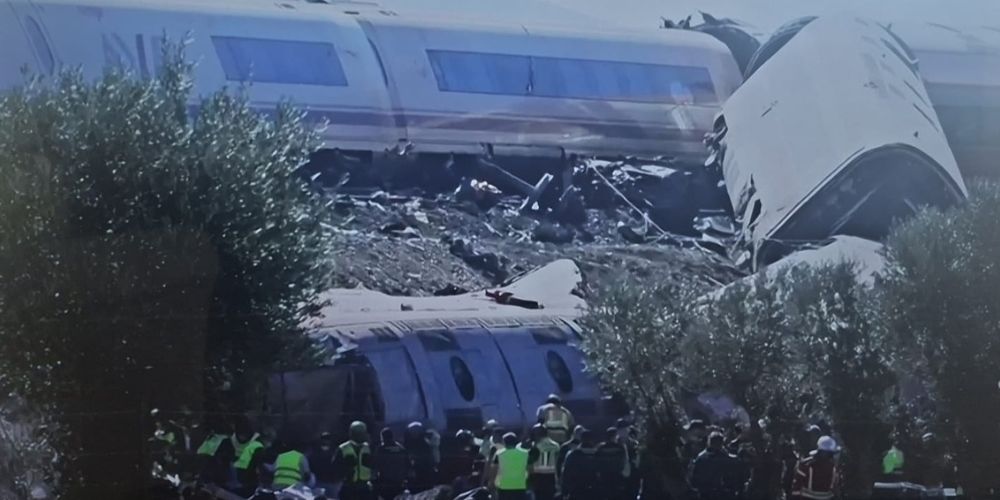
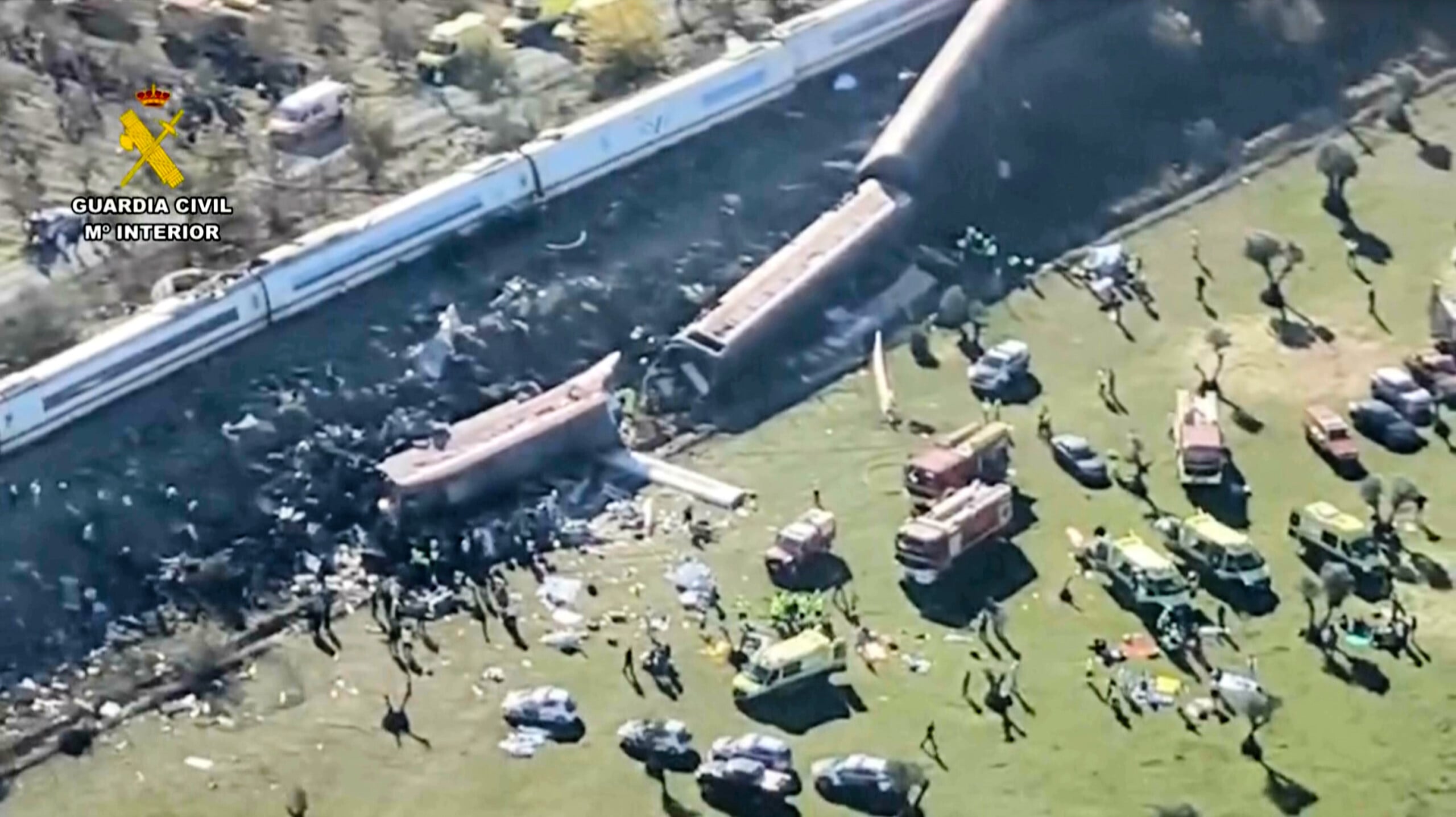
The disaster unfolded along the Madrid–Sevilla high-speed railway line at kilometre 118, situated between Mora y Orgaz and Urda in the province of Toledo, as reported by Inspain. According to Wccbcharlotte and Mathrubhumi, the crash involved a state-owned Renfe AVE service carrying 397 passengers and an Italian-owned Iryo train carrying 147 passengers, including a baby. The violent impact tore carriages apart and scattered debris down a gravel slope amid a flat stretch of land surrounded by olive fields, as detailed by Mathrubhumi and Yahoo.
Media additions
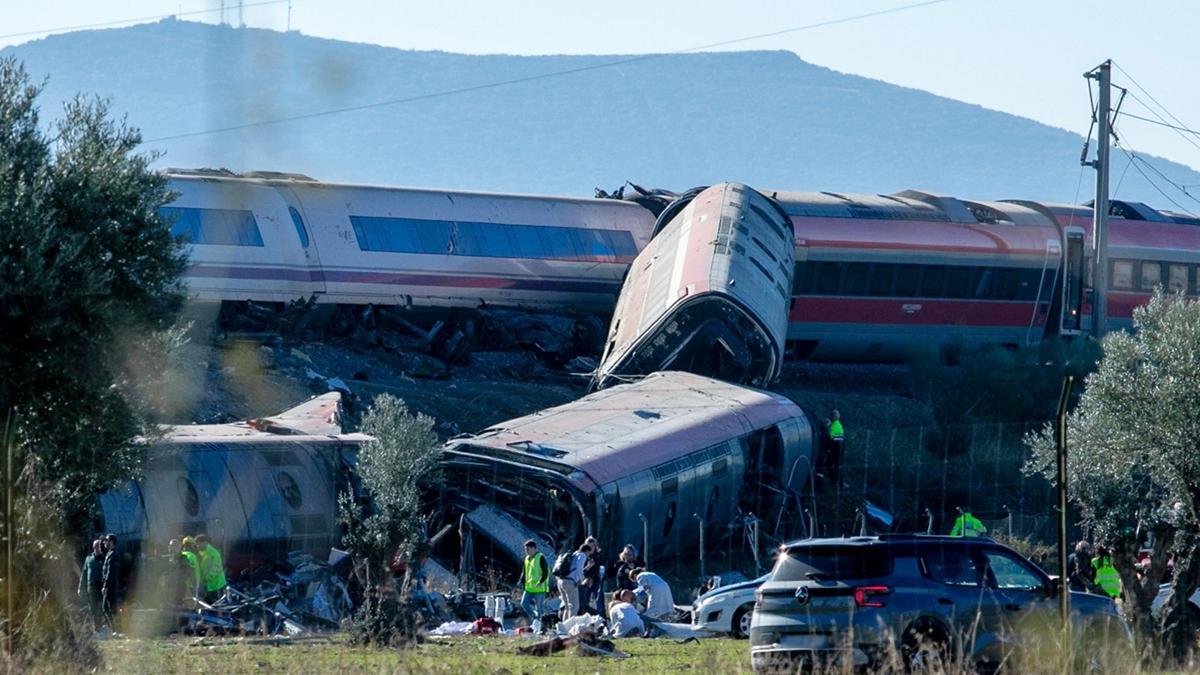

Survivors and witnesses described immediate devastation. Passenger Ignacio Relaño told state broadcaster TVE, as cited by Wccbcharlotte and Mathrubhumi, that his train abruptly slowed down before the heavy impact hurled luggage and cell phones through the air and caused a carriage to lean sideways.
Emergency services mobilized rapidly across the region. The Castilla-La Mancha regional government activated its PLATECAM territorial emergency plan at operational level 2, requesting assistance from Spain’s Military Emergencies Unit (UME), as noted by Inspain. Firefighters, Guardia Civil officers, Civil Protection teams, and medical helicopter crews deployed to the site, while hospitals across Castilla-La Mancha and neighbouring regions prepared additional resources. Health Minister Mónica García stated that emergency crews were focusing heavily on extracting survivors and bodies from the two most mangled carriages, while regional officials urged the public to donate blood to replenish depleted hospital reserves.
The tragedy has reignited intense political and safety scrutiny regarding Spain's high-speed rail network. Boasting the world's second-largest network behind China, spanning approximately 3,900 kilometres of track, the system had long maintained a reputation for reliability before suffering a fatal crash near Adamuz in January, which claimed 46 lives, as reported by Businessday and The New York Times. Representatives of Spain's railway workers' union raised questions over whether recent privatization and the introduction of competing operators like Iryo in 2022 had placed excess strain on infrastructure upkeep, though engineering experts cautioned against premature speculation, emphasizing that automatic signaling systems make such rear-end collisions theoretically impossible under normal operations, according to Bluewin.
Political fallout was swift ahead of the impending general election scheduled for late November. Prime Minister Pedro Sánchez cancelled his scheduled agenda, expressed shock on social media, and travelled to Urda to meet first responders, while opposition leaders from the Partido Popular and Vox expressed sorrow and scrutinized safety oversight. King Felipe VI and Queen Letizia issued statements sharing in the grief of affected families, and European Commission President Ursula von der Leyen offered condolences on behalf of the European Union, stating that Europe mourns alongside Spain, as covered by Wccbcharlotte and Bluewin.
As recovery operations proceed, rail infrastructure operator Adif confirmed that high-speed services on the Madrid–Andalusia corridor remain suspended, with assistance points established at major hubs including Madrid-Puerta de Atocha Almudena Grandes and Sevilla-Santa Justa. Families seeking information on passengers can access dedicated telephone helplines established by rail operators and regional authorities, with further findings on the precise sequence of events expected as investigators comb through the wreckage.
How significant is this development?
Contribute your assessment to the aggregated reader sentiment ledger.
Frequently Asked Questions
Key questions answered in this reportWhat is the key development in: At least 64 dead after two high-speed trains collide in Toledo?
At least 64 people were killed and over 100 injured after two high-speed passenger trains collided in central Spain, plunging carriages down an embankment.
Why is this World development significant for the UK?
This report covers critical events in our World beat. Independent reporting monitors related UK statements, regulatory shifts, and public responses as further verified details emerge.
How was this reporting corroborated and verified?
Newsarchy UK compiles and cross-references reporting from primary reporting from inews.co.uk and cross-checked wire reports. All coverage adheres to published editorial standards.
When was this report published?
This briefing was published on October 28, 2026 and is permanently cataloged in the Newsarchy UK World archives.