Spain's Ceuta migrant surge prompts EU calls to suspend Schengen
A massive migrant surge in the Spanish enclave of Ceuta has sparked intense EU debates over border security and calls to suspend the Schengen area.
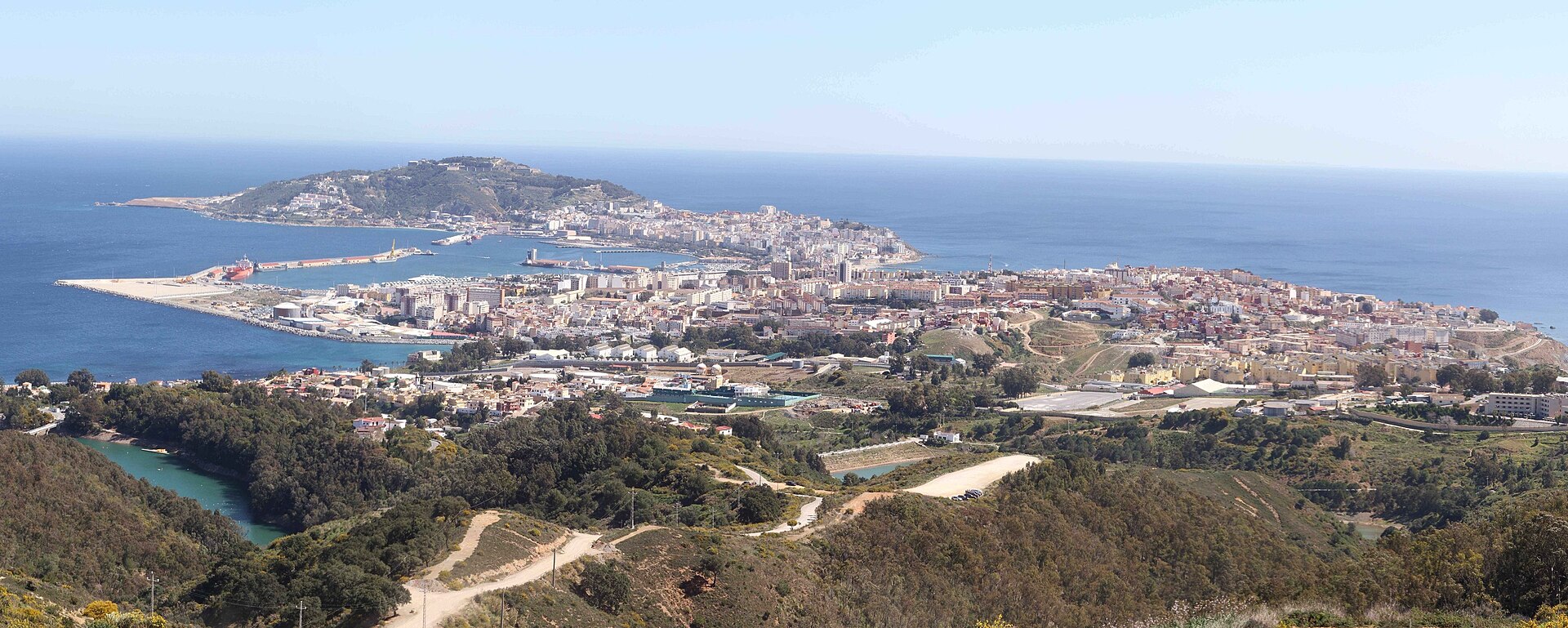
- Core Development: A massive migrant surge in the Spanish enclave of Ceuta has sparked intense EU debates over border security and calls to suspend the Schengen area.
- Beat Context: Categorized under World with independent corroboration.
- Reporting Depth: 5 minute analytical read synthesized from verified newsroom sources.
On Thursday 31 July 2026, a wave of more than 60 000 migrants swam towards the Spanish enclave of Ceuta, breaching its fence and overwhelming security forces. The sudden influx, which left at least 72 people dead, has ignited a rapid‑fire debate in Brussels about the future of the EU’s border‑free Schengen area.
The crisis matters now because Ceuta and the neighbouring enclave of Melilla are the only EU territories on Africa’s north‑coast. Under the 1991 Schengen agreement, any breach in these outposts, however remote, theoretically opens a back‑door to the 450 million citizens who enjoy free movement across the bloc. Within hours, Spain deployed the military to its 83 500‑resident city and began returning more than 48 000 migrants to Morocco within 48 hours of arrival.
Media additions
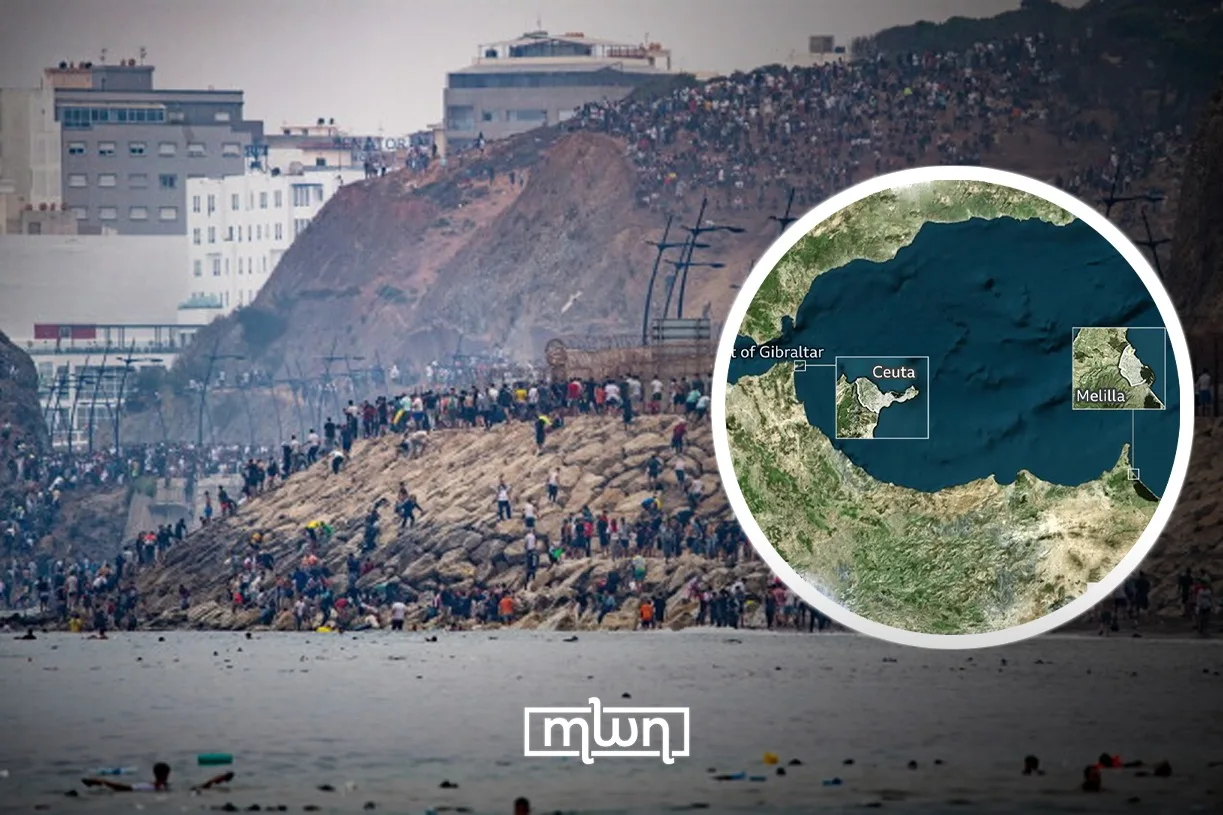
European governments reacted with alarm. Finland, the Czech Republic and Denmark publicly called for the closure of Spain’s Schengen borders, arguing that the “Ceuta crisis migrants” threatened the integrity of the area. Italy’s prime minister, Giorgia Meloni, moved to suspend Rome’s air and sea frontiers with Spain.
Yet the legal backdrop is more nuanced than the headlines suggest. Ceuta and Melilla enjoy a unique set of Schengen rules: arrivals from within Schengen are not required to show identification, while departures are subject to mandatory border controls. This asymmetry means that, although the enclaves are technically part of the Schengen zone, they operate under a hybrid regime that complicates any blanket suspension.
What happened on the ground
- Thursday 31 July 2026 – Tens of thousands of people, primarily young men, broke through the fence surrounding Ceuta; at least 50 000 succeeded in crossing the barrier or landing on its shores.
- Friday 1 August 2026 – Spanish authorities returned over 48 000 migrants to Morocco within two days of arrival.
- Saturday 2 August 2026 – EU member states issued statements calling for a Schengen suspension; Italy announced suspension of its air and sea frontiers with Spain.
- Sunday 3 August 2026 – Spain began installing a new physical barrier to reinforce the perimeter (details here).
Moroccan youth: motivations beyond the fence
While EU politicians debated border policy, analysts in Morocco pointed to a deeper social pulse. Morocco World News noted that the crossings involved “teenagers clutching inflatable rings, young men diving into the sea, women, newly married couples, entire families and… a mother attempting the crossing with her newborn baby.”
The outlet argued that the event was less about a single “irregular migration” episode and more about a generation confronting limited prospects despite two decades of economic transformation. A recent High Commission for Planning report cited “approximately one‑third of Moroccans aged between 15 and 29 – around 2.9 million young people – classified as NEETs (not in employment, education or training).” The piece emphasized that these NEETs are “far from homogeneous,” with variations by gender, education and geography.
Three interlinked explanations emerged:
- A perception, amplified on TikTok, that Spain’s recent constitutional‑court ruling and a high‑profile regularisation programme made “the border open” or legal status easier to obtain.
- Economic frustrations: low wages, precarious jobs and limited upward mobility prompted many to view the crossing as a gamble for a better future.
- Peer influence and digital mobilisation: anonymous accounts circulated videos, maps and equipment lists, encouraging coordinated attempts despite the obvious dangers.
These factors, the analysis concluded, “shape the decisions of those who attempted the crossing, even when those perceptions may be incomplete or inaccurate.”
Conspiracy theories add a volatile layer
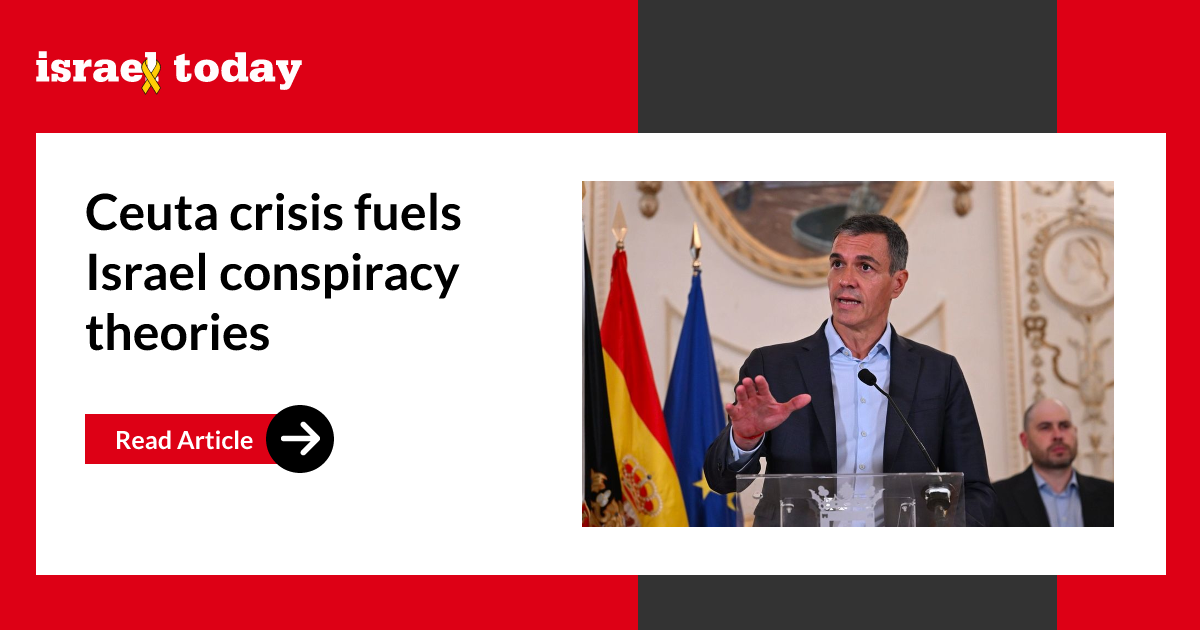
Parallel to the policy debate, the crisis became a flashpoint for antisemitic conspiracy narratives. Spanish actor Javier Bardem, a vocal supporter of the Palestinian cause, reposted a monologue that blamed Israel for the surge:
"If you’re wondering what does the United States or Israel have to do with this: As usual, everything. Spain is the only country that has publicly declined to help the United States and Israel commit their genocide in Palestine. So, in the last year, Israel has been openly threatening Spain."
Javier Bardem, actor, via Israel Today
He added another caption:
"We don’t know who engineered this crisis, but we know who benefits from a weakened, destabilized Spain: Israel, and the Western far right eager to turn migration into a weapon against Muslims."
Javier Bardem, actor, via Israel Today
U.S. Ambassador to Israel Mike Huckabee dismissed the posts as “a laughable new blood libel,” while the Combat Antisemitism Movement reported that 119 influencer accounts generated over 57 million views linking the Ceuta breach to a “global antisemitic conspiracy.”
Rafael Medoff, director of the David S. Wyman Institute, warned that “the danger is when insane theories start moving from the margins to the mainstream—and when those theories are aimed at inciting hatred against a minority group.” The episode therefore illustrates how a migration emergency can be hijacked for broader ideological battles.
EU’s legal dilemma and next steps
EU officials face a “fragile legal justification,” as the Euobserver analysis put it, for suspending Schengen with Spain. The bloc’s internal borders are designed to be open, yet the Ceuta situation threatens to create a de facto external entry point for non‑EU migrants. Finland, the Czech Republic and Denmark have formally requested a closure, while Italy’s suspension of air and sea routes represents the most concrete action to date.
European law‑makers must now decide whether to treat Ceuta as an “exceptional security zone” that can be temporarily excluded from Schengen, or whether a broader suspension is warranted. No formal decision has been announced, but a meeting of the EU Council on migration policy is slated for mid‑August 2026.
Spain, for its part, continues to reinforce its perimeter and has pledged to keep the military presence until the “situation stabilises.” The new barrier, expected to be completed by early September, aims to prevent a repeat of the “overwhelming security forces” scenario described by the Spanish government.
What to watch next
- EU Council meeting (mid‑August 2026): Potential vote on a temporary Schengen suspension for Spain.
- Spanish parliamentary debate: Assessment of the barrier’s effectiveness and possible legal reforms to Ceuta’s Schengen status.
- Moroccan policy response: Government statements on youth employment programmes and possible regulation of social‑media misinformation.
- Online narrative monitoring: Tracking of antisemitic conspiracy content following the Bardem posts, as warned by the Combat Antisemitism Movement.
The Ceuta episode thus sits at the intersection of migration management, EU legal architecture, Moroccan socioeconomic challenges, and a volatile information environment. How European leaders navigate the legal and political fallout will shape the Schengen area’s resilience for months to come.
How significant is this development?
Contribute your assessment to the aggregated reader sentiment ledger.
Frequently Asked Questions
Key questions answered in this reportWhat is the key development in: Spain's Ceuta migrant surge prompts EU calls to suspend Schengen?
A massive migrant surge in the Spanish enclave of Ceuta has sparked intense EU debates over border security and calls to suspend the Schengen area.
Why is this World development significant for the UK?
This report covers critical events in our World beat. Independent reporting monitors related UK statements, regulatory shifts, and public responses as further verified details emerge.
How was this reporting corroborated and verified?
Newsarchy UK compiles and cross-references reporting from primary reporting from moroccoworldnews.com and cross-checked wire reports. All coverage adheres to published editorial standards.
When was this report published?
This briefing was published on August 3, 2026 and is permanently cataloged in the Newsarchy UK World archives.