Sudan gold mine collapse kills at least 82 people with many more missing
The death toll from a catastrophic informal gold mine collapse in southern Sudan has reached at least 82, with rescue operations hampered by a lack of heavy equipment.

- Core Development: The death toll from a catastrophic informal gold mine collapse in southern Sudan has reached at least 82, with rescue operations hampered by a lack of heavy equipment.
- Beat Context: Categorized under World with independent corroboration.
- Reporting Depth: 5 minute analytical read synthesized from verified newsroom sources.
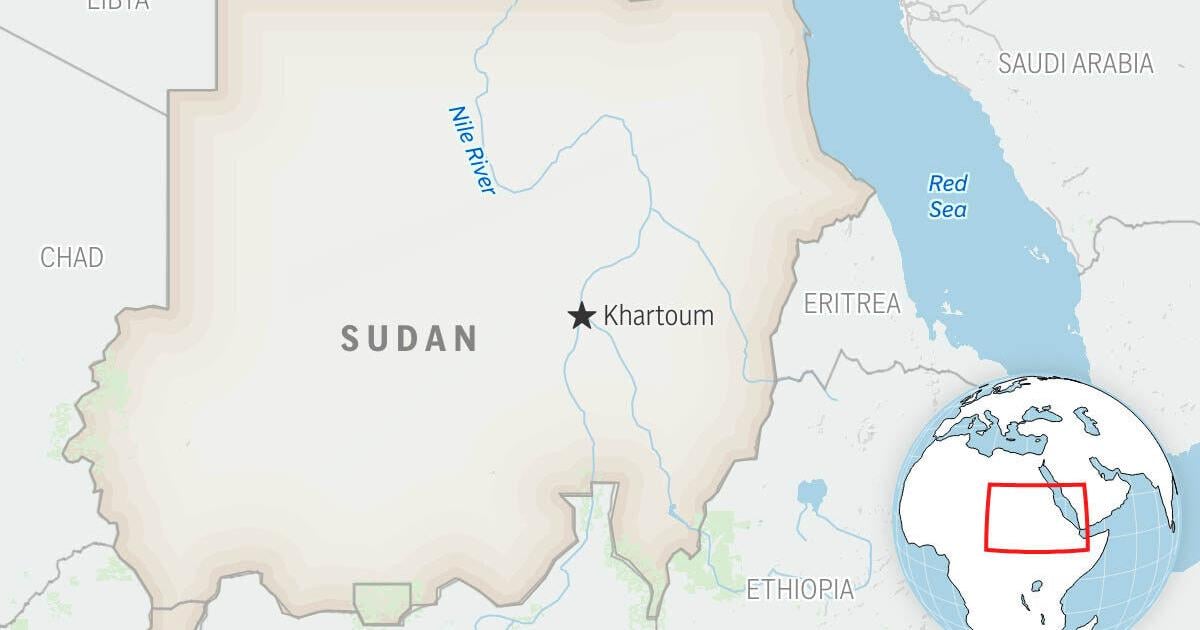
The death toll from the catastrophic collapse of an informal gold mine in southern Sudan has climbed to at least 82 people, local administrators, grassroots monitors, and survivors reported on Wednesday, 16 September 2026. The tragedy at the al-Zara mine site near Nuhud in West Kordofan province exposes the perilous conditions faced by thousands of artisanal workers in a nation already fractured by years of civil conflict. As rescue operations stretch into days, local officials and medical networks warn that dozens of miners remain unaccounted for beneath unstable sand and rubble.
According to primary reporting detailed by Twin Cities and Kahawatungu, the disaster began on Sunday when one mine shaft gave way, triggering a chain reaction that caused interconnected shafts across the wider complex to collapse. The al-Zara site stretches over a kilometer across fragile, sandy soil. Survivors explained that because the underground tunnels are built in close proximity, the initial cave-in dragged down adjacent shafts where dozens of miners were working. Al-Amin Suleiman, a miner who was working near the rim of the site when the disaster struck, noted that the interconnected nature of the excavation ensured that a single failure brought down the entire network.
Media additions

Initial accounts of the timeline and casualty figures varied slightly among monitoring groups and local responders. While survivors and the Sudan Doctors Network initially stated that the collapse occurred on Tuesday evening, a local administration official cited by the Associated Press indicated that the structural failure began as early as Sunday. Medical trackers from the News-Press NOW reporting network initially recorded 67 bodies pulled from the rubble, while the Kordofan Observatory monitoring group placed the combined total of dead and missing at no fewer than 70 individuals. By Wednesday afternoon, Suleiman Abu Hmeida of the grassroots Emergency Response Rooms and a local administration official confirmed that the recovered body count had risen to 82.
| Reporting Source / Group | Reported Death Toll | Notes on Rescue Conditions |
|---|---|---|
| Emergency Response Rooms & Local Officials | 82 bodies recovered | Hampered by a lack of heavy equipment; relying on a single forklift |
| Sudan Doctors Network | 67 bodies initially, with rising expectations | Cited severe lack of safety and protective measures at the informal site |
| Kordofan Observatory | At least 70 dead or missing | Noted the fragile, sandy soil across a site stretching over a kilometer |
Rescue efforts have faced near-insurmountable obstacles. Survivors on the ground explained that they had to work through the night using the same rudimentary hand tools normally employed to extract gold. Khair al-Sayyed Jabara told reporters that heavy machinery was completely unavailable to clear the fallen dirt and stones from depths exceeding 30 meters, or around 100 feet. A local administration official spoke on condition of anonymity, confirming that rescue workers had access to only one privately owned forklift to sift through the massive debris field.
The tragedy highlights the desperate economic pressures driving young Sudanese into dangerous artisanal mining. With much of the population out of work and nearly 20 million Sudanese pushed into severe hunger even prior to the current emergency, more than two million people have relied on artisanal mining for survival, according to industry figures cited by Eagle-Tribune and Inkl. These operations frequently take place in decommissioned or entirely informal zones like al-Zaraa, where workers handle earth without basic protective gear and are exposed to toxic chemicals such as cyanide and mercury used to separate gold nuggets. In response to these exploitative practices, the European Union implemented a ban in July on the sale, transfer, and export of mercury and cyanide to Sudan.
Geopolitical context further complicates the disaster response. The mine is located in West Kordofan, a region controlled by the paramilitary Rapid Support Forces (RSF). The RSF and the Sudanese military have been engaged in a brutal war since April 2023 that has killed at least 59,000 people according to Armed Conflict Location & Event Data estimates, though aid groups emphasize the true figure is substantially higher. United Nations-commissioned experts have repeatedly reported that both factions in the civil war derive substantial funding from the country's multi-billion-dollar gold trade. According to official and mining industry sources, nearly all extracted gold is smuggled across borders through countries like Chad, South Sudan, and Egypt before reaching the United Arab Emirates, which has denied accusations of arming the RSF. Both the United Kingdom and the European Union announced sanctions in July targeting illicit gold and finance networks operating out of Dubai and Hong Kong.
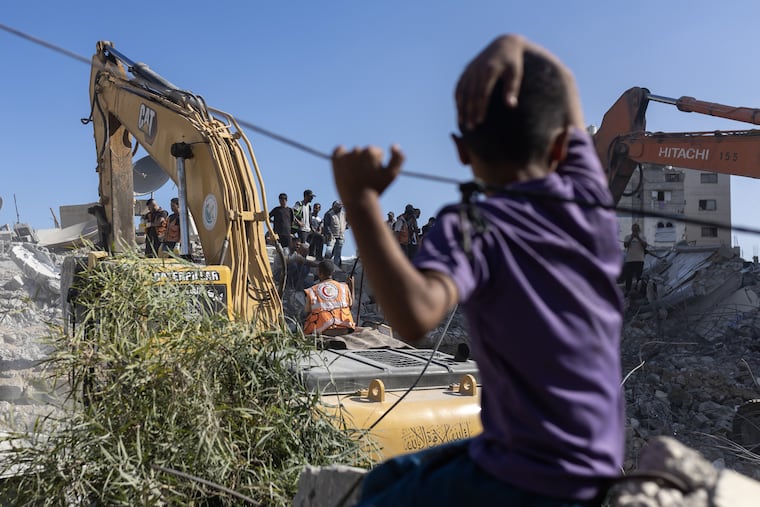
The collapse in West Kordofan underscores a broader regional vulnerability to structural and humanitarian crises, echoing recent infrastructure failures across the Middle East and Africa, such as the fatal building collapse in Gaza noted in Boston Herald coverage. Readers can explore broader regional updates through TRT World reporting or review ongoing analysis via World coverage.
As recovery operations continue in West Kordofan, what happens next depends entirely on whether community volunteers can secure additional equipment to move the collapsed earth. Because large-scale state-backed rescue operations are impossible in an area where the RSF's administrative capabilities remain limited and residents rely primarily on mutual aid networks, local responders expect the confirmed death toll to rise further as crews attempt to reach the dozens of miners still unaccounted for beneath the sand.
How significant is this development?
Contribute your assessment to the aggregated reader sentiment ledger.
Frequently Asked Questions
Key questions answered in this reportWhat is the key development in: Sudan gold mine collapse kills at least 82 people with many more missing?
The death toll from a catastrophic informal gold mine collapse in southern Sudan has reached at least 82, with rescue operations hampered by a lack of heavy equipment.
Why is this World development significant for the UK?
This report covers critical events in our World beat. Independent reporting monitors related UK statements, regulatory shifts, and public responses as further verified details emerge.
How was this reporting corroborated and verified?
Newsarchy UK compiles and cross-references reporting from primary reporting from kulu-media.com and cross-checked wire reports. All coverage adheres to published editorial standards.
When was this report published?
This briefing was published on September 17, 2026 and is permanently cataloged in the Newsarchy UK World archives.