Tama Zoological Park lions die of suspected heatstroke amid heat wave
Three female lions have died at Tama Zoological Park in Tokyo following a severe heat wave, prompting medical interventions and a zoo closure.

- Core Development: Three female lions have died at Tama Zoological Park in Tokyo following a severe heat wave, prompting medical interventions and a zoo closure.
- Beat Context: Categorized under World with independent corroboration.
- Reporting Depth: 3 minute analytical read synthesized from verified newsroom sources.
Three female lions have died at Tama Zoological Park in Hino city, within the greater Tokyo metropolis, following a severe heat wave sweeping across Japan and wider East Asia. The deaths occurred within a single week during what officials describe as one of the region's most punishing heat waves on record.
Tama Zoological Park closed its lion exhibit in late July after several of its big cats began showing symptoms including loss of appetite, fatigue, and decreased activity. A zoo spokeswoman explained that the sweltering conditions arrived unusually early this year and noted the unique challenges posed by the local climate:
Media additions

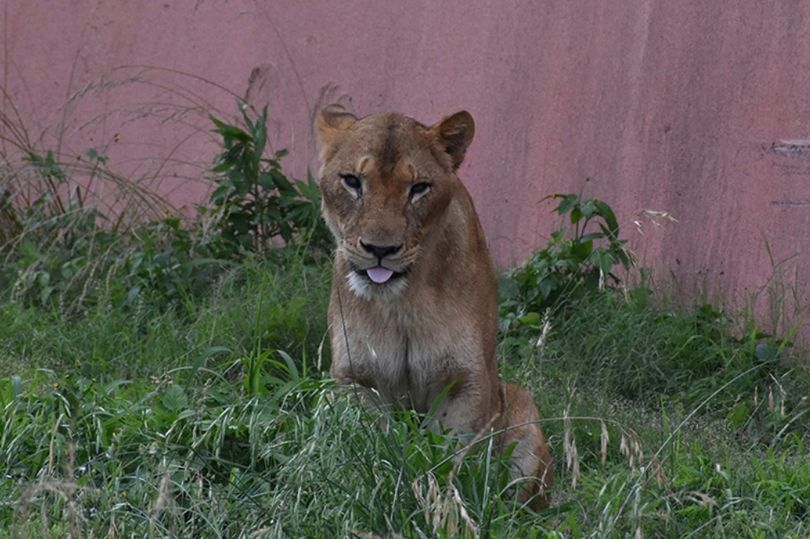
"Even though lions are thought to be resistant to heat, zoo keepers have been strengthening countermeasures to cope with Japan's summer heat in recent years. Heat here comes with high humidity – that is different from heat with dry air in Africa."
Zoo spokeswoman, Tama Zoological Park, via AOL
Before the heat wave struck, the park housed a total of sixteen lions ranging in age from one to twenty, comprising five males and eleven females. Ten of these animals ultimately developed symptoms requiring medical intervention. Staff attempted to cool the distressed big cats using industrial fans and water sprays, alongside administering intravenous fluids, subcutaneous fluids, liver tonics, vitamins, and other medications.
The first lioness to succumb was three-year-old Mugi, who lost her appetite and subsequently could not stand before dying on July 28. She was followed by 11-year-old Ichigo, who died three days later, and 15-year-old Luena, who passed away on Sunday. Autopsies indicated systemic dehydration and multiple organ failure, leading veterinarians to conclude that heatstroke was the suspected cause, though final confirmation awaits complete test results.
As of the most recent updates, three of the treated lions—two males and one female—remained in poor health and were continuing to receive ongoing veterinary treatment. The park's lion exhibit has remained closed to the public since July 23.
The crisis at the Tokyo facility coincides with record-shattering temperatures across Japan and broader East Asia, a pattern meteorologists have linked in part to a developing Super El Niño weather system. Japan endured a prolonged stretch of extreme heat, with parts of the country recording temperatures reaching at least 104 degrees Fahrenheit for multiple consecutive days. Japan’s weather agency introduced a new designation this summer for days that reach 104 degrees Fahrenheit, translating roughly to “cruelly hot day.” In South Korea, weather authorities issued their highest-level heat warning for parts of Seoul and neighboring Gyeonggi Province, while Yangsan recorded a nationwide record high of 42.5 degrees Celsius on Sunday.
The extreme weather has also impacted human populations and wildlife elsewhere. In Kumamoto Prefecture, a deadly earthquake left residents sleeping in cars while extreme heat compounded the disaster, resulting in a fatality from suspected heatstroke. Elsewhere in Asia, wildlife officials confirmed that eight Asiatic lion cubs at a sanctuary in India's Gujarat state died from extreme heat.
Lion Health and Treatment Status at Tama Zoological Park
- Total lions housed at the park prior to the heat wave: 16 (five males and 11 females)
- Number of lions receiving medical treatment: 10
- Deceased female lions: Mugi, Ichigo, and Luena
- Lions remaining under treatment in poor health: Three (two males and one female)
- Exhibit status: Closed to the public
Experts have warned that climate change means zoos should treat extreme heat as a foreseeable welfare risk. Temperatures are projected to fluctuate in the coming days with no widespread or lasting break from the heat expected across Japan, and official confirmation of the lions' exact causes of death remains pending complete test results.
How significant is this development?
Contribute your assessment to the aggregated reader sentiment ledger.
Frequently Asked Questions
Key questions answered in this reportWhat is the key development in: Tama Zoological Park lions die of suspected heatstroke amid heat wave?
Three female lions have died at Tama Zoological Park in Tokyo following a severe heat wave, prompting medical interventions and a zoo closure.
Why is this World development significant for the UK?
This report covers critical events in our World beat. Independent reporting monitors related UK statements, regulatory shifts, and public responses as further verified details emerge.
How was this reporting corroborated and verified?
Newsarchy UK compiles and cross-references reporting from primary reporting from ibtimes.sg and cross-checked wire reports. All coverage adheres to published editorial standards.
When was this report published?
This briefing was published on August 4, 2026 and is permanently cataloged in the Newsarchy UK World archives.