Todd Blanche's attorney general nomination cleared by Senate panel
The Senate Judiciary Committee advanced Todd Blanche's nomination for attorney general along party lines after he agreed to rescind a controversial $1.8 billion fund.
- Core Development: The Senate Judiciary Committee advanced Todd Blanche's nomination for attorney general along party lines after he agreed to rescind a controversial $1.8 billion fund.
- Beat Context: Categorized under World with independent corroboration.
- Reporting Depth: 5 minute analytical read synthesized from verified newsroom sources.
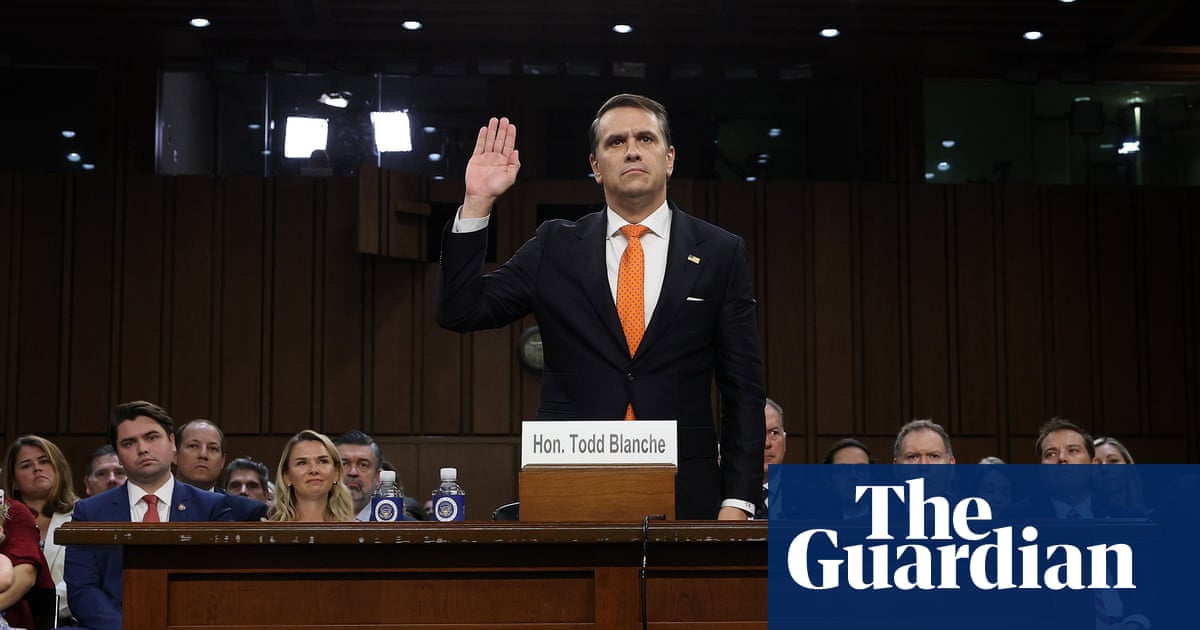
The Senate Judiciary Committee voted on Tuesday, August 4, 2026, to advance former President Donald Trump’s trusted lawyer Todd Blanche to the full Senate, removing the last major procedural obstacle to his confirmation as attorney general. The move matters because it places a figure described by critics as the “most discreditable person ever to seek the office” just weeks away from a vote that could reshape the independence of the United States Department of Justice.
Blanche, who has been serving as acting attorney general since April after the dismissal of Pam Bondi, secured the committee’s approval by a 12‑10 margin along party lines. The vote propels the nomination to the Republican‑controlled Senate, where Democratic senators have already signaled fierce resistance.
Media additions
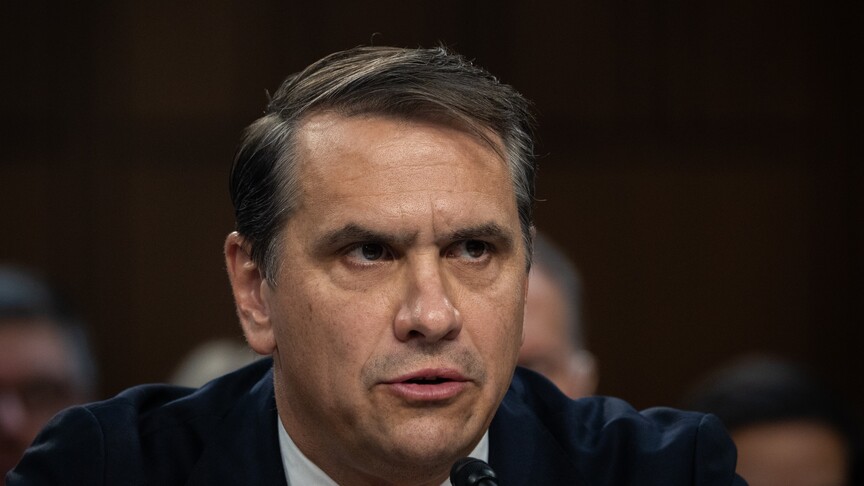
Central to the committee’s decision was Blanche’s written confirmation that the controversial $1.8 billion “anti‑weaponization” fund, created in May as part of a settlement ending Trump’s lawsuit against the Internal Revenue Service, would not be revived. The fund, which Trump has touted as compensation for alleged politically motivated investigations, had become a flashpoint in the confirmation battle.
"We are going to advance out of this committee probably the most discreditable person ever to seek the office of Attorney General of the United States,"
Sheldon Whitehouse, Democratic senator from Rhode Island, via The Guardian
Democratic members of the committee, led by Sen. Chris Coons, warned that Blanche’s past work defending the fund and his handling of high‑profile investigations, including the Epstein file and the murders of Alex Pretti and Renee Good, made him unfit for the role. Coons argued that American citizens “want and truly deserve an independent and transparent Department of Justice.”
"I don't think Mr. Blanche can or even wants to deliver on that goal,"
Chris Coons, top Democrat on the committee, via AA
Sen. Adam Schiff added that confirming an attorney general who would “go after the president’s enemies” would undermine the rule of law.
"The day we confirm an Attorney General who says that's okay is the day that the rule of law becomes merely an unenforceable idea,"
Adam Schiff, Democratic senator from California, via AA
Republican senators John Cornell and Thom Tillis, whose support was essential, said their concerns were satisfied after Blanche’s order rescinding the fund. Tillis called the fund a “payout pot for punks” and declared it “done.”
"I’ve never liked this 1776 fund. It made no sense to me, and I thought it was an insult to the police officers and the people that defended us on January the sixth. It’s done. It’s been rescinded, and I am satisfied,"
Thom Tillis, Republican senator from North Carolina, via The Guardian
Even as Tillis and Cornell affirmed their votes, they warned that the broader settlement still referenced the fund, leaving open the possibility of a future revival by a later attorney general or by Trump through legislation. Trump himself hinted that if Blanche’s confirmation stalled, he would keep Blanche in an acting capacity and push to create the fund via a new bill.
"I understand there's been a signoff, but I don't know what they agreed. I think Todd Blanche agreed to reconfirm things that he's already said, and what he said was okay,"
Donald Trump, President of the United States, via AA
Experts cited in The Guardian warn that Trump could “easily reverse the deal,” highlighting the fragility of the written assurance.
The committee’s advance does not guarantee a smooth confirmation. The full Senate is expected to hold a vote later this month, and Democrats have pledged to block the nomination unless stronger guarantees are provided. If confirmed, Blanche would become the top law‑enforcement officer at a time when the Department of Justice is embroiled in investigations ranging from the former FBI director James Comey’s alleged offenses in North Carolina to ongoing inquiries into the January 6 riot participants.
Below is a concise timeline of the key events that have led to this point.
Key timeline
- May 2026 – Settlement creates $1.8 bn “anti‑weaponization” fund as part of Trump’s IRS lawsuit resolution.
- April 2026 – Todd Blanche appointed acting attorney general after Pam Bondi’s dismissal.
- Weekend August 2026 – Trump defends the fund publicly; Republican senators express reservations.
- Sunday August 3 2026 – Blanche issues written order stating the fund “has never been operational” and is rescinded.
- Tuesday August 4 2026 – Senate Judiciary Committee votes 12‑10 to advance Blanche’s nomination.
- Late August 2026 (anticipated) – Full Senate vote on the nomination.
For readers tracking the unfolding drama, here’s what to watch next.
What to watch next
- Senate floor debate – expect vigorous questioning from Democrats on the fund’s future and the department’s independence.
- Potential amendment – senators may seek a binding amendment that permanently bars any revival of the anti‑weaponization fund.
- Trump’s response – the president may use his social‑media platform to pressure senators or propose legislative fixes.
- Judicial actions – ongoing DOJ cases, such as the James Comey picture prosecution, could become flashpoints in the confirmation discourse.
Should Blanche secure confirmation, his tenure is likely to be defined by the balance between executive loyalty and legal independence, a tension that has already shaped his first months as acting attorney general. Critics argue that without firm safeguards, the justice system could once again become a vehicle for partisan retaliation.
Supporters, including Senate Majority Leader Mitch McConnell, argue that Blanche’s experience defending Trump and his swift action on the fund demonstrate a commitment to “protecting American interests.” The full Senate’s decision will test whether those assurances hold weight against the deep‑seated concerns of the opposition.
For ongoing coverage of the confirmation process, see our World section and related stories on the anti‑weaponization fund and the Senate confirmation hurdle.
How significant is this development?
Contribute your assessment to the aggregated reader sentiment ledger.
Frequently Asked Questions
Key questions answered in this reportWhat is the key development in: Todd Blanche's attorney general nomination cleared by Senate panel?
The Senate Judiciary Committee advanced Todd Blanche's nomination for attorney general along party lines after he agreed to rescind a controversial $1.8 billion fund.
Why is this World development significant for the UK?
This report covers critical events in our World beat. Independent reporting monitors related UK statements, regulatory shifts, and public responses as further verified details emerge.
How was this reporting corroborated and verified?
Newsarchy UK compiles and cross-references reporting from primary reporting from theguardian.com and cross-checked wire reports. All coverage adheres to published editorial standards.
When was this report published?
This briefing was published on August 4, 2026 and is permanently cataloged in the Newsarchy UK World archives.