Trump administration ends automatic protections for threatened species
The government has dismantled foundational safeguards for threatened wildlife and plants, shifting toward individualized management for newly listed species. Officials argue the change prioritizes recovery goals, while critics warn it may increase administrative delays and industrial risks.
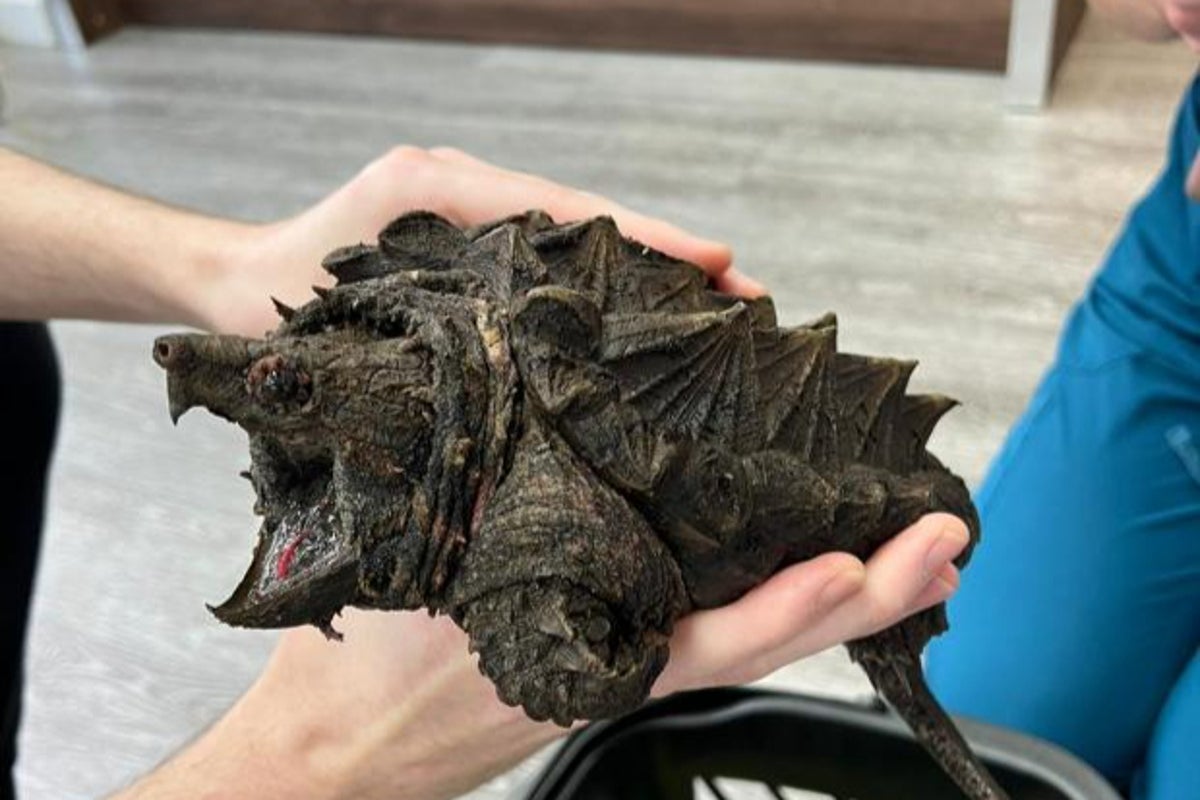
- Core Development: The government has dismantled foundational safeguards for threatened wildlife and plants, shifting toward individualized management for newly listed species. Officials argue the change prioritizes recovery goals, while critics warn it may increase administrative delays and industrial risks.
- Beat Context: Categorized under World with independent corroboration.
- Reporting Depth: 3 minute analytical read synthesized from verified newsroom sources.
The United States administration has revoked a foundational rule that provided automatic safeguards for plants and animals identified as threatened with extinction. The latest move by the government to dismantle key provisions of the Endangered Species Act. By removing these automatic protections, which had been in place for wildlife since 1975 and for plants since 1977, the federal government is shifting toward a requirement for individualized management plans for every newly listed threatened species.
Critics of the policy warn that this transition introduces a period of administrative delay, potentially creating a window for mining, oil and gas, and development companies to lobby for exemptions within habitats occupied by vulnerable species. Opponents specifically raised concerns regarding the future of about 30 species currently awaiting federal listing, including the monarch butterfly, the alligator snapping turtle, the California spotted owl, and various species of fish, snakes, clams, and insects.
Media additions

Policy Rationale and Industry Impact
The Interior Department has defended the policy pivot as a necessary correction to existing federal conservation mandates. Interior Secretary Doug Burgum argued that the act had been utilized as a hurdle to industrial progress across the country.
"Success should be measured by species recovery and delisting, not by adding more species to the list."
Secretary Burgum stated that the prior regulatory framework had been leveraged to stop projects, driving up costs for families, weakening our competitiveness, and undermining our national security.
According to the department, 97% of species previously granted protections remain under federal coverage. Republican lawmakers have frequently cited this figure to suggest the current system prioritizes the accumulation of listed species over the stated goal of population recovery and eventual removal from the federal lists.
Alongside the removal of automatic protections, the administration finalized a second requirement mandating that officials weigh potential economic impacts when determining if a specific region qualifies as critical habitat for a species’ survival. Environmental advocates contend this provides a mechanism for private interests to influence federal decision-making.
"If you're exempting certain industries that cause habitat destruction, in many instances you'll be exempting the main threat to those species."
Broader Regulatory Shifts
The decision follows a series of administrative actions regarding environmental governance that have unfolded at a pace noted as faster and more extensive than during the president's first term. Data shows that no new species have been added to the threatened or endangered lists during the current term. This stands in contrast to the addition of more than 20 species during the first term and about 60 during the preceding administration.
Recent developments include an action in which federal authorities moved to devolve grizzly bear management to state-level agencies in Wyoming, Idaho, and Montana. This shift had been a longstanding priority for the Republican governors of those states. Additionally, federal officials recently reduced the amount of critical habitat designated for the Canada lynx in the Rocky Mountains, citing pressures from climate change and other factors.
Further narrowing of federal protections occurred when Interior officials altered the definition of harm
to a species. This change permits development within critical habitats provided the animals themselves are not immediately injured or killed. Previously, in March, the administration exempted Gulf of Mexico oil and gas drilling from the Endangered Species Act. Defense Secretary Pete Hegseth cited national energy supply concerns as the rationale for that exemption, specifically noting the necessity of maintaining production while the U.S. Wages war against Iran.
While similar policy changes were attempted during the president’s first term, those measures were reversed by the subsequent administration.
How significant is this development?
Contribute your assessment to the aggregated reader sentiment ledger.
Frequently Asked Questions
Key questions answered in this reportWhat is the key development in: Trump administration ends automatic protections for threatened species?
The government has dismantled foundational safeguards for threatened wildlife and plants, shifting toward individualized management for newly listed species. Officials argue the change prioritizes recovery goals, while critics warn it may increase administrative delays and industrial risks.
Why is this World development significant for the UK?
This report covers critical events in our World beat. Independent reporting monitors related UK statements, regulatory shifts, and public responses as further verified details emerge.
How was this reporting corroborated and verified?
Newsarchy UK compiles and cross-references reporting from primary reporting from krcgtv.com and cross-checked wire reports. All coverage adheres to published editorial standards.
When was this report published?
This briefing was published on July 20, 2026 and is permanently cataloged in the Newsarchy UK World archives.