Trump announces new 50% tariff on Canadian cars, trucks and steel
Following the collapse of trade talks, President Trump has ordered a 50% tariff on Canadian automotive goods and steel, threatening North American supply chains.

- Core Development: Following the collapse of trade talks, President Trump has ordered a 50% tariff on Canadian automotive goods and steel, threatening North American supply chains.
- Beat Context: Categorized under World with independent corroboration.
- Reporting Depth: 4 minute analytical read synthesized from verified newsroom sources.
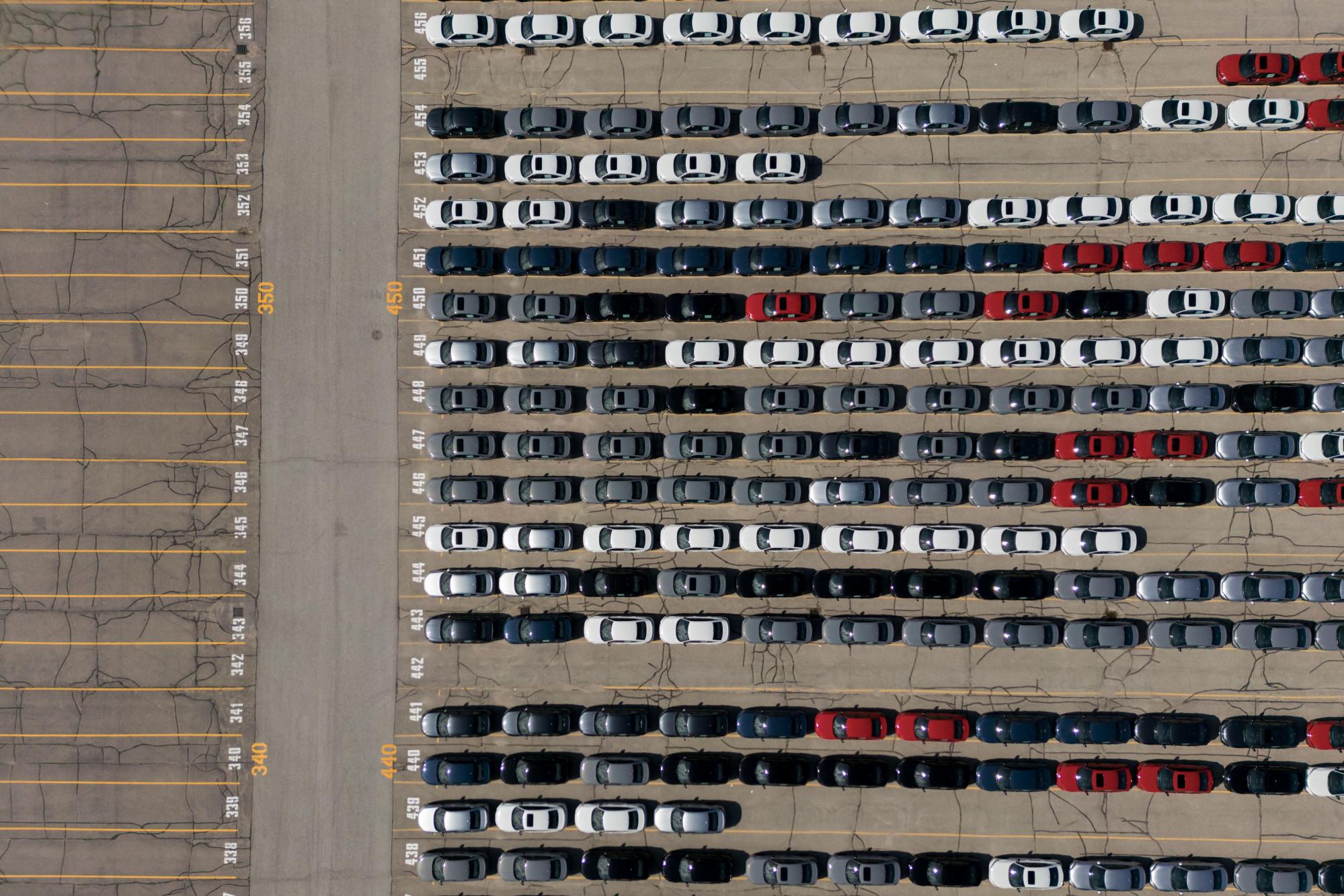
President Donald Trump has ordered a sweeping 50 % tariff on all automobiles, trucks, automotive parts and steel arriving from Canada, set to begin on 1 January 2027. The move comes as trade talks between the neighbours collapsed at the end of August and threatens to upend an integrated North‑American auto supply chain that fuels factories in Michigan, Ontario and beyond.
Trump posted the declaration on Truth Social, writing, “On Trade, and in other ways, also, they are among the worst Nations in the World to deal with. They feel entitled, and yet, WE DON’T NEED CANADA, THEY NEED US! They do 95% of their business with the U.S., with us, the exact opposite!” The Guardian reported the statement in full.
Media additions


Canadian leadership braces for “dollar‑for‑dollar” retaliation
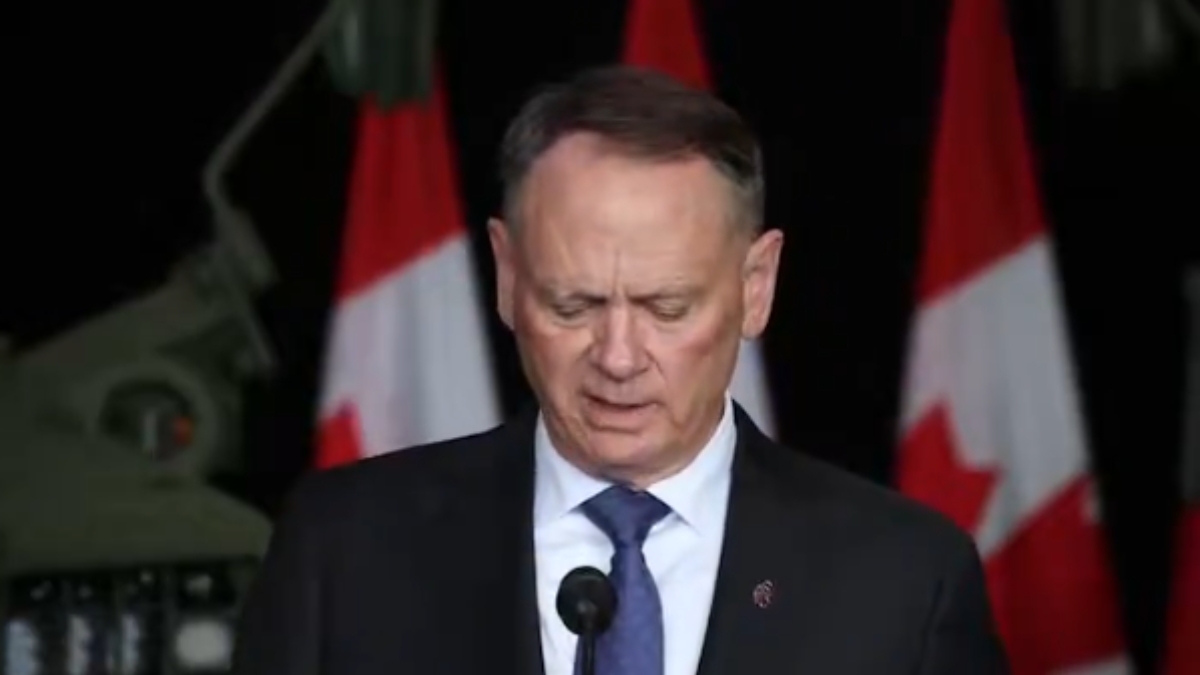
Prime Minister Mark Carney told reporters in Quebec that the tariff was “not a surprise” after weeks of strained negotiations. He warned that Canada would match the U.S. Measures “dollar for dollar” and highlighted the fallout for American workers who depend on Canadian demand.
“What message does that send to the workers in Michigan, in Ohio, in Kentucky, in Alabama, who rely on Canadian demand? We’re their largest customer for automobiles, more than the European Union, Japan, Korea, many others combined, and the United Kingdom.”
Mark Carney, Prime Minister of Canada, via Yahoo News
Carney added that Canada would be ready to resume talks “when the Americans go to the negotiating table first with the right attitude toward our industry and a true partnership.” The prime minister also pointed to the Detroit News analysis that shows the current U.S. Tariff rate on Canadian vehicles sits at 25 % but effectively amounts to about 9.4 % after exemptions.
From stalled talks to a tariff war
The latest escalation follows a weekend‑long collapse of a tentative deal that would have lowered tariffs on automobiles and other materials. Earlier in August, Trump imposed a 50 % tariff on roughly $20 billion of Canadian exports, targeting hockey equipment, electronics and other goods. Canada rejected the proposal, accusing the United States of demanding “too much and offering too little.”
Negotiators had been circling a compromise that would have cut the tariff on vehicles to 15 % and granted carve‑outs for medium‑and heavy‑duty pickups. Carney said the U.S. Side ultimately refused to extend the same relief to large pickups, a move he called “unfair, uneconomic and called into question the reliability of any deal.” Aol noted that these last‑minute changes also included language to limit Canada’s ability to strike trade deals with third‑party nations.
Industry alarm bells ring
Auto manufacturers with deep cross‑border operations—Ford Motor Co., General Motors Co., and Stellantis NV—declined to comment, but analysts warned of severe consequences. “We really need to look at this as a North American integrated industry,” said Steve Verheul, former chief USMCA negotiator for Canada, during an August 20 call with reporters.
“The auto sector in North America does not work unless all three countries are operating as an integrated economy, and that's what we need to strive for at this point.”
Steve Verheul, former Canada USMCA chief negotiator, via Detroit News
Patrick Anderson, CEO of the Anderson Economic Group, warned that the proposed tariffs “would be an absolute body blow to the auto industry on both sides of the border,” forecasting plant closures and job losses across Michigan, Ontario, Ohio, Indiana and Wisconsin.
Local fallout: Sault Ste. Marie and the steel sector
Mayor Matthew Shoemaker of Sault Ste. Marie warned that a “25 % tariff on steel would not have been any better” than the current 50 % levy. He described the “bizarre” continuation of new tariffs even after the 50 % rate was already in place.
“And today he (President Donald Trump) continues to threaten more tariffs although we’ve already got 50 per cent tariffs. It’s bizarre, at any event.”
Matthew Shoemaker, Mayor of Sault Ste. Marie, via Saultstar
The Canadian Steel Producers Association (CSPA) called the escalation “a concerning escalation,” noting that integrated trade has underpinned the sector for more than three decades. The association stressed that “no deal is better than a bad deal” and expressed confidence in Canada’s negotiating team.
Political flashpoints in Ottawa and Ottawa‑area provinces
Ontario Premier Doug Ford threatened to cut electricity supplies to the United States, describing the U.S. Approach as “economic coercion.” He also announced an expanded Protect Ontario Financing Program to shield affected workers.
“Everything is on the table, including stopping to send power to the United States.”
Doug Ford, Premier of Ontario, via
How significant is this development?
Contribute your assessment to the aggregated reader sentiment ledger.
Frequently Asked Questions
Key questions answered in this reportWhat is the key development in: Trump announces new 50% tariff on Canadian cars, trucks and steel?
Following the collapse of trade talks, President Trump has ordered a 50% tariff on Canadian automotive goods and steel, threatening North American supply chains.
Why is this World development significant for the UK?
This report covers critical events in our World beat. Independent reporting monitors related UK statements, regulatory shifts, and public responses as further verified details emerge.
How was this reporting corroborated and verified?
Newsarchy UK compiles and cross-references reporting from primary reporting from detroitnews.com and cross-checked wire reports. All coverage adheres to published editorial standards.
When was this report published?
This briefing was published on August 24, 2026 and is permanently cataloged in the Newsarchy UK World archives.