Trump and Kim summit plans spark Asia Pacific defence concerns
Renewed summit plans between Washington and Pyongyang have triggered regional defense anxieties and economic friction across the Indo-Pacific.
- Core Development: Renewed summit plans between Washington and Pyongyang have triggered regional defense anxieties and economic friction across the Indo-Pacific.
- Beat Context: Categorized under World with independent corroboration.
- Reporting Depth: 3 minute analytical read synthesized from verified newsroom sources.
Plans for a renewed diplomatic summit between Washington and Pyongyang have sent immediate ripples through the Indo-Pacific, raising urgent defence and economic concerns among key United States allies. According to reports from Sbs and Asiatimes, these developments unfold amid shifting strategic priorities, testing long-standing regional security architecture and placing intense pressure on trade-reliant economies across the region.
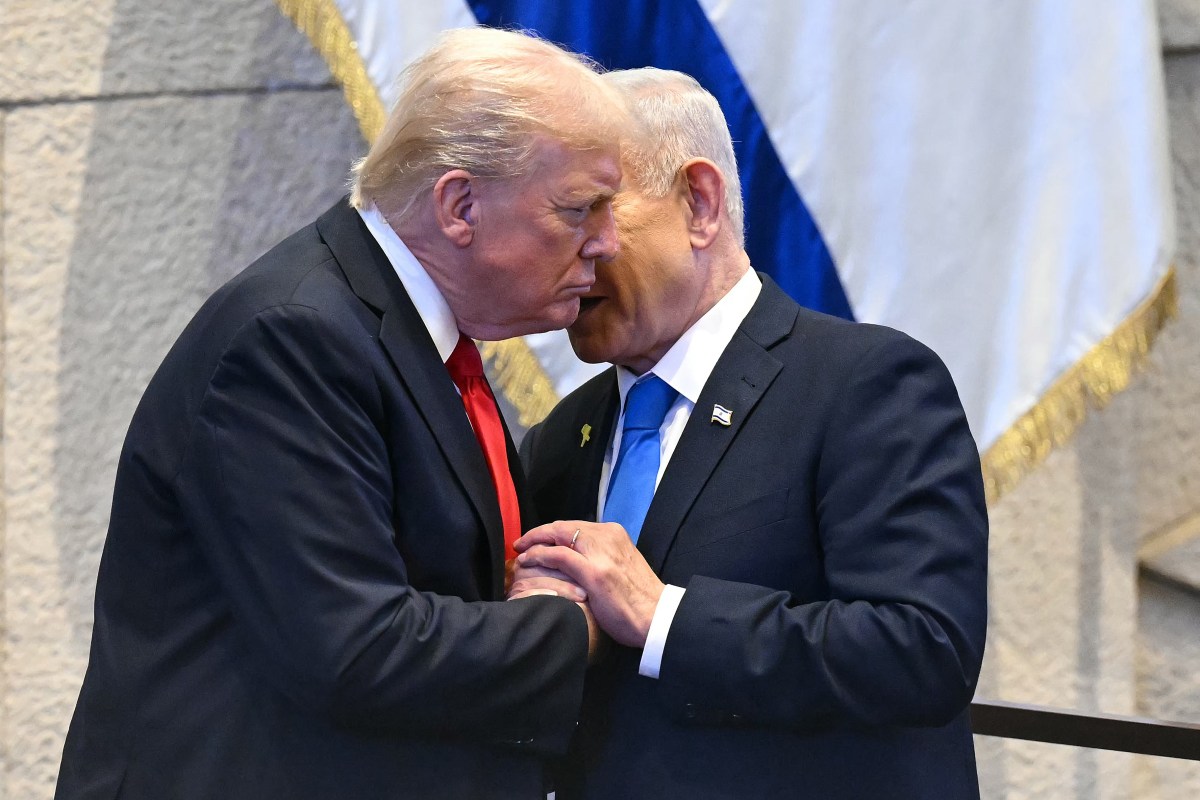
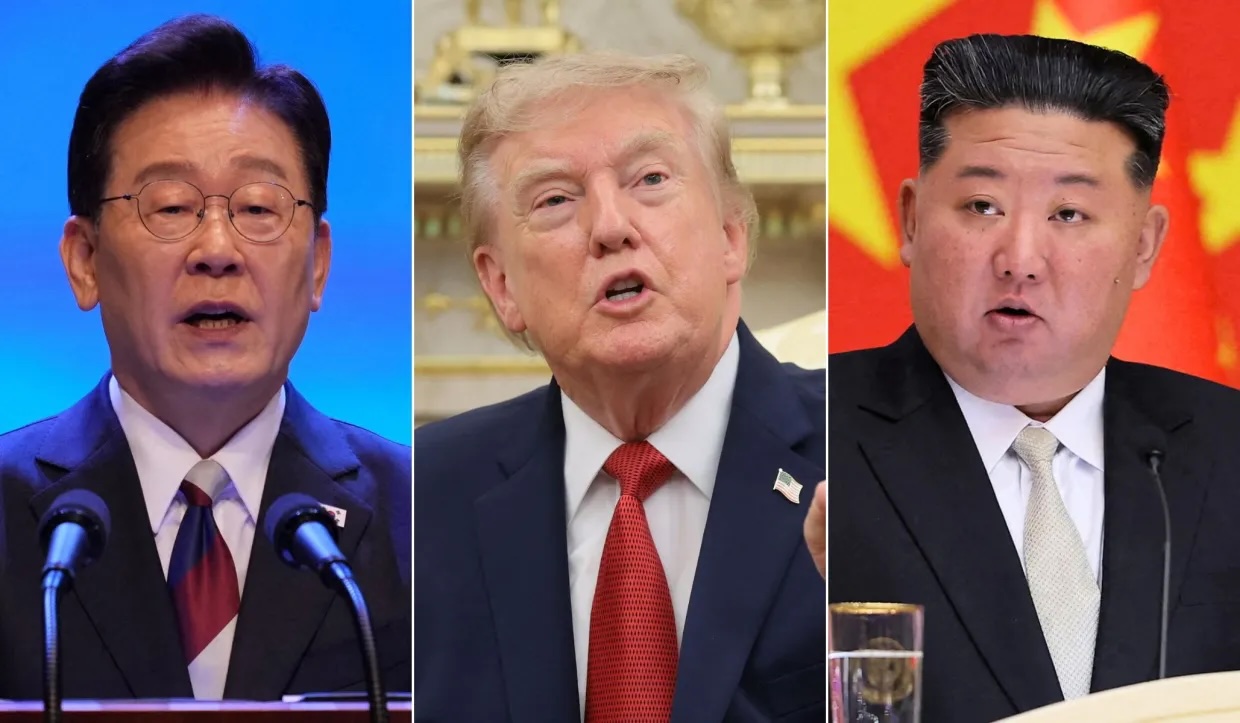
Donald Trump announced the decision to substantially reduce ongoing joint military exercises with South Korea and Japan on social media, characterizing them as costly and hostile to North Korea. The White House simultaneously signalled plans to hold a summit with North Korean leader Kim Jong-un later in the year, potentially aligning with multilateral meetings such as the APEC summit in Shenzhen, China. South Korean President Lee Jae Myung welcomed the dialogue efforts through reduced drills, acknowledging the step toward peace on the Korean Peninsula. Yet the pivot has simultaneously startled defence planners who rely on the traditional security umbrella.
Regional capitals are navigating profound geopolitical friction alongside heavy economic demands. Washington has pressed for significant financial contributions from key partners, including substantial monetary transfers that analysts note could rival significant portions of national economic output. Asiatimes reported that the multi-billion-dollar demands, including a requested signing bonus from Seoul equivalent to a major share of the nation's gross domestic product, have stalled negotiations and risked severe fiscal strain. At the same time, friction has intensified following Seoul's decision to decline involvement in military operations concerning Iran. The resulting diplomatic strain has left allies grappling with the unpredictable nature of modern bilateral negotiations.
The shifting diplomatic posture has also reignited debates over nuclear non-proliferation. By publicly acknowledging North Korea's existing nuclear arsenal without demanding immediate disarmament, the administration's approach diverges sharply from historic policy norms. Experts warn this normalisation could accelerate indigenous defence capabilities among wealthy regional partners seeking alternatives to traditional security guarantees.
Key Regional Pressures and Strategic Shifts
- Reduction of joint military exercises between the US, South Korea, and Japan.
- Stalled negotiations over multi-billion-dollar financial demands impacting regional fiscal stability.
- Simultaneous economic vulnerabilities driven by shifting global yields and trade-reliant semiconductor demand.
Tokyo is observing the diplomatic and economic maneuvers with acute anxiety, balancing the imperative of alliance management against the weight of mounting financial requests and evolving security dynamics involving neighboring states. Observers note that while structural support for military alliances remains robust among publics in Japan, South Korea, and Australia, trust in the consistency of US leadership has hit multi-decade lows. Opinion polling released by the Lowy Institute showed that global trust in the US sits at multi-decade lows, even as public support for military alliances remains high in Japan, South Korea, and the Philippines, and steady in Australia.
Uncertainty surrounding the planned high-level meetings remains high, with mixed signals emerging from official channels regarding direct communication. While Trump pointed to ongoing contact, North Korean official Kim Yo-jong cast doubt on talks by denying any recent direct communication between her brother and the US president, while maintaining that their personal relationship remains excellent. As allies hedge their bets by bolstering regional solidarity and increasing domestic defence spending, policymakers across the Indo-Pacific prepare for a more fragmented security environment.
Looking ahead, policymakers await clarity on whether the proposed summit will materialize later in the year, alongside the outcomes of upcoming political milestones such as the 2026 midterm elections in the United States, which analysts suggest could influence congressional backing for traditional regional partnerships.
How significant is this development?
Contribute your assessment to the aggregated reader sentiment ledger.
Frequently Asked Questions
Key questions answered in this reportWhat is the key development in: Trump and Kim summit plans spark Asia Pacific defence concerns?
Renewed summit plans between Washington and Pyongyang have triggered regional defense anxieties and economic friction across the Indo-Pacific.
Why is this World development significant for the UK?
This report covers critical events in our World beat. Independent reporting monitors related UK statements, regulatory shifts, and public responses as further verified details emerge.
How was this reporting corroborated and verified?
Newsarchy UK compiles and cross-references reporting from primary reporting from asiatimes.com and cross-checked wire reports. All coverage adheres to published editorial standards.
When was this report published?
This briefing was published on August 21, 2026 and is permanently cataloged in the Newsarchy UK World archives.