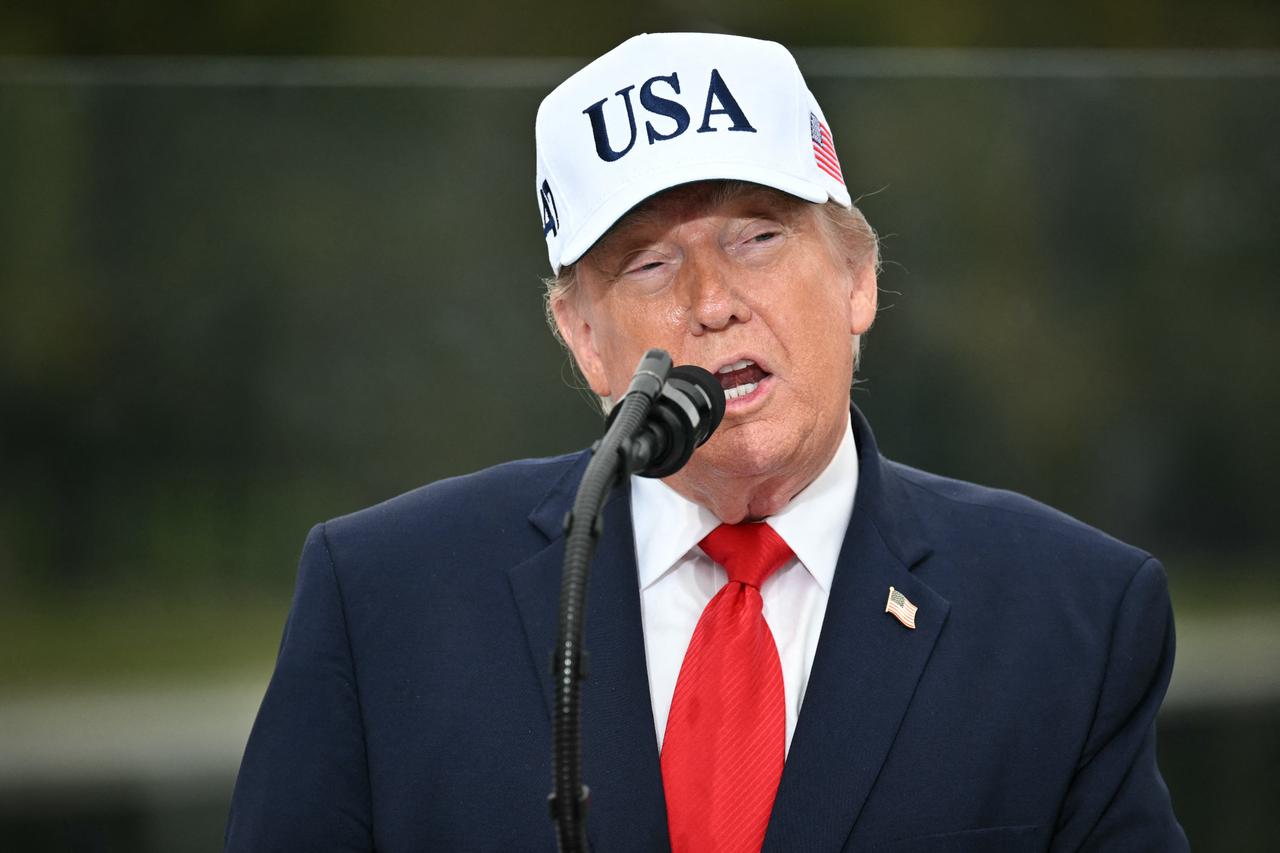
Trump says Israel will stop receiving $4B in US aid by year's ...
President Donald Trump announced that the US will halt its annual funding to Israel by the end of the year, sparking immediate political fallout.
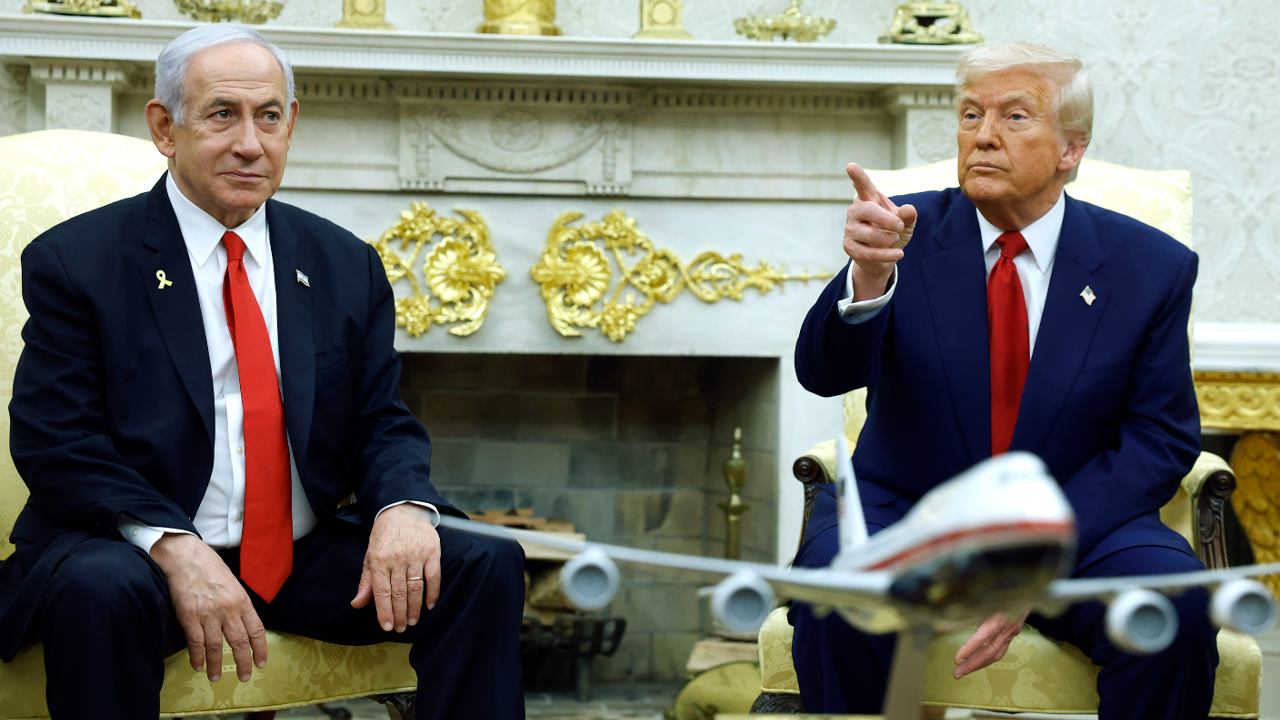
- Core Development: President Donald Trump announced that the US will halt its annual funding to Israel by the end of the year, sparking immediate political fallout.
- Beat Context: Categorized under World with independent corroboration.
- Reporting Depth: 4 minute analytical read synthesized from verified newsroom sources.
President Donald Trump announced on Tuesday, 3 November 2026, that the United States will halt its billions of dollars in annual funding to Israel by the close of the year. Speaking on Fox News, Trump argued that Israel no longer requires the assistance and asserted that he had reached an agreement with Israeli Prime Minister Benjamin Netanyahu to end the financial support. The sudden declaration arrives on midterm Election Day in the United States, injecting foreign policy and defense spending into domestic battleground politics while sending shockwaves through the political establishment in both Washington and Jerusalem.
The announcement immediately drew scrutiny over figures and timelines. While Trump referred to the package as roughly $4 billion in "things and money," the existing ten-year memorandum of understanding, signed during the Obama administration, provides $3.8 billion annually in military assistance and is formally scheduled to run through 2028. According to reporting from the Jewish Telegraphic Agency, the agreement is not legally binding in a way that bypasses Congress, and lawmakers must approve annual appropriations bills to distribute the funds. Trump maintained that while direct aid would cease, Israel would still be permitted to purchase American weaponry, stating that U.S. Manufacturers produce the world's greatest armaments.
Media additions


According to Yahoo News, Trump explicitly tied the timing of his statement to domestic politics. He suggested that ending the funding would neutralize a potent talking point for progressive Democrats. Trump specifically singled out Michigan Democratic Senate candidate Abdul El-Sayed, whose campaign has featured a strong stance against foreign military aid. By declaring that the money is already going away, the administration sought to defuse the issue for voters casting ballots in battleground states.
| Metric / Detail | Official Agreement Terms | Trump's Stated Position |
|---|---|---|
| Annual Financial Volume | $3.8 billion | $4 billion ("things and money") |
| Expiration Timeline | Through fiscal year 2028 | End of calendar year 2026 |
| Weapon Purchases | Funded via Foreign Military Financing | Israel can continue buying U.S. Weapons independently |
Reactions from Israeli officials and political figures were swift and divided. As detailed by Livemint, Netanyahu's office did not immediately issue a formal statement. However, Netanyahu had previously signaled in media interviews that he anticipated a tapering of American support. In October, Netanyahu remarked on an Israeli television channel that the defense budget would eventually have to adjust to a reality without tens of billions in U.S. Aid.
Opposition leaders in Israel reacted with sharp condemnation, expressing astonishment that a major strategic shift was revealed via a morning television broadcast rather than through formal diplomatic channels. Gadi Eisenkot, chairman of the opposition Yashar party, argued that learning of the policy change through the media demonstrated the danger of Netanyahu's governance. Similarly, Yair Golan, chairman of Israel’s liberal Democrats party, slammed the development on social media, asserting that a responsible prime minister would fight to increase assistance rather than eliminate it while offensive weapon stockpiles face depletion following extended multifront conflicts, as reported by the New York Post.
U.S. Foreign policy veterans voiced skepticism regarding the feasibility and execution of the sudden policy pivot. Former Middle East negotiator Aaron David Miller noted the awkward timing of a unilateral announcement while Netanyahu is actively attempting to form a governing coalition. Other analysts, including former senior national security official Brett McGurk, emphasized that the existing military financing heavily supports American industrial jobs because nearly all allocated funds are spent domestically on defense manufacturing.
As voters determine the balance of power in Congress for the remainder of the presidential term, the debate over foreign assistance intersects heavily with broader World coverage and ongoing legislative processes. While administration officials point to broader spending cuts and defense policy legislation, the legal mechanism to terminate the memorandum of understanding early remains undefined. Observers and lawmakers will watch how the White House, the Knesset, and congressional appropriators address the funding framework when the federal budget process resumes.
How significant is this development?
Contribute your assessment to the aggregated reader sentiment ledger.
Frequently Asked Questions
Key questions answered in this reportWhat is the key development in: Trump says Israel will stop receiving $4B in US aid by year's ...?
President Donald Trump announced that the US will halt its annual funding to Israel by the end of the year, sparking immediate political fallout.
Why is this World development significant for the UK?
This report covers critical events in our World beat. Independent reporting monitors related UK statements, regulatory shifts, and public responses as further verified details emerge.
How was this reporting corroborated and verified?
Newsarchy UK compiles and cross-references reporting from primary reporting from jta.org and cross-checked wire reports. All coverage adheres to published editorial standards.
When was this report published?
This briefing was published on November 3, 2026 and is permanently cataloged in the Newsarchy UK World archives.