Trump signs order to cut childhood vaccines and split MMR shots
President Donald Trump signed an executive order trimming the federally recommended childhood vaccine schedule to 11 shots and calling for the MMR vaccine to be split into three separate injections. Pediatric experts warn the change could leave children exposed to preventable diseases.
Trump signs order to cut childhood vaccines and split MMR shots
EXECUTIVE BRIEFKey Takeaways & Signal
Core Development: President Donald Trump signed an executive order trimming the federally recommended childhood vaccine schedule to 11 shots and calling for the MMR vaccine to be split into three separate injections. Pediatric experts warn the change could leave children exposed to preventable diseases.
Beat Context: Categorized under World with independent corroboration.
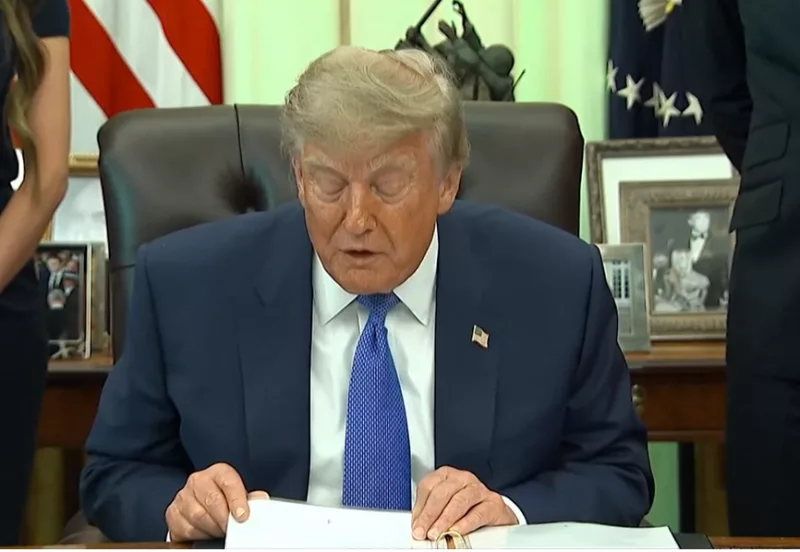
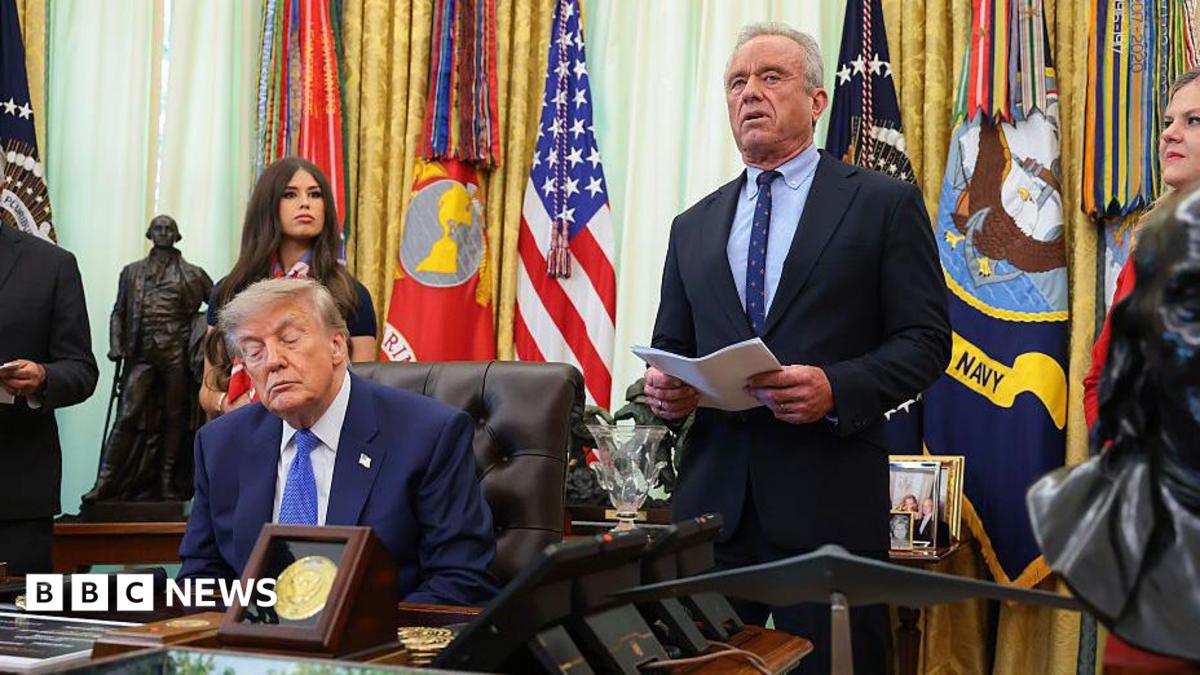
On Monday President Donald Trump signed an executive order that trims the federally recommended childhood vaccine schedule from 18 shots to 11 and calls for the measles‑mumps‑rubella (MMR) combination to be administered as three separate injections. The move, championed by Health Secretary Robert F Kennedy Jr., is being framed as “gold‑standard” protection, but pediatric experts warn it could leave a generation more exposed to preventable diseases.
"Decades ago, children received only a small fraction of the vaccines required today. In those times, people were much healthier and of course the high rates of autism now observed did not exist."
Media additions
Image via bbc.co.uk
Donald Trump, President, via The Star
The order does not override state school‑entry mandates, but it signals a federal shift from the American Academy of Pediatrics (AAP) schedule that has guided parents and providers for decades. By narrowing the list to measles, mumps, rubella, diphtheria, tetanus, pertussis, polio, Haemophilus influenzae type B, pneumococcal disease, human papillomavirus and varicella, the administration argues that “fewer vaccines” will reduce unnecessary medical interventions while still covering “the most serious and dangerous diseases.”
What the new list looks like
Vaccine
Previously recommended (AAP)
Now highlighted in the order
Measles, Mumps, Rubella (MMR)
Combined shot (one injection)
Recommended to split into three separate shots
Diphtheria
Included
Included
Tetanus
Included
Included
Pertussis
Included
Included
Polio
Included
Included
Haemophilus influenzae type B
Included
Included
Pneumococcal disease
Included
Included
Human papillomavirus
Included
Included
Varicella (chicken‑pox)
Included
Included
The order also urges the development of alternatives to aluminium adjuvants, despite the AAP’s position that “studies have found no significant health risks associated with the tiny amounts of aluminium salts in vaccines.”
Contrasting expert assessments
American Academy of Pediatrics – President Dr Andrew Racine called the order “dangerous” and “not based on gold‑standard science.” He warned that “delaying or skipping shots is risky, especially as measles continues to spread and children go back to school.”
Senator Bill Cassidy – The Louisiana physician who confirmed Kennedy as HHS secretary described the order as “wrong” and said “the President does not have the expertise to make these changes.”
Merck – The vaccine maker said there is “no published scientific evidence showing any benefit to splitting the combination MMR shot into three,” and that doing so would increase the number of injections and risk missed appointments.
Demetre Daskalakis, former CDC immunization director – Warned the move would deepen disparities and worsen coverage, noting that “the resulting recommendations in practice cannot be implemented.”
Dr Elizabeth Mack, pediatric critical‑care physician – Said the United States has no licensed single‑antigen measles, mumps or rubella vaccines, making the split recommendation “unfeasible as written.”
The CDC emphasizes that the MMR vaccine “carries a very small risk of febrile seizures” but that “most people who get MMR vaccine do not have any serious problems with it,” and that “it is much safer than getting measles, mumps, or rubella.” The agency adds that “there is no published scientific evidence that shows any benefit in separating the combination MMR vaccine into three individual shots.”
How the order shifts the numbers
The administration’s figures suggest that children will receive far fewer than the “72 shots” cited in previous schedules, a total that includes annual flu and COVID‑19 doses. Critics argue that the 72‑shot count inflates the picture by treating combination shots as multiple injections. Nevertheless, the order’s reduction from 18 to 11 core vaccines marks a clear departure from the schedule that has underpinned U.S. Public‑health success for decades.
Timeline of the policy change
January 2025 – Robert F Kennedy Jr. Becomes Health Secretary, begins pushing for a slimmer schedule.
January 2025 – Kennedy cuts the schedule, removing six of 17 recommended shots; a federal court halts the change.
Monday, 11 August 2026 – President Trump signs the executive order narrowing the schedule to 11 vaccines and calling for MMR to be split.
Immediately after signing – AAP, Merck, CDC officials and a coalition of pediatricians publicly criticize the order.
What happens next
The order is a guidance document, not a binding law, but its language could influence state health departments that set school‑entry requirements. Legal challenges are already hinted at, with the AAP’s counsel stating “we are evaluating our next steps.” The White House has pledged to fund research on aluminium‑free adjuvants, though no timeline has been given. Meanwhile, public‑health officials anticipate a surge in parental inquiries and a possible uptick in missed immunizations as providers grapple with the logistical reality of separating a combination vaccine that currently has no single‑antigen U.S. Counterpart.
Watch for developments in state vaccine policy meetings, potential lawsuits filed by the AAP and Merck, and any clarification from the CDC on how to operationalise the split‑MMR recommendation. The next major test will be whether school districts adopt the narrower list or retain existing mandates, a decision that could shape U.S. Childhood immunity for the remainder of the decade.
READER INTELLIGENCE PULSE
How significant is this development?
Contribute your assessment to the aggregated reader sentiment ledger.
Click an option to register your anonymous assessment.
Frequently Asked Questions
Key questions answered in this report
What is the key development in: Trump signs order to cut childhood vaccines and split MMR shots?
President Donald Trump signed an executive order trimming the federally recommended childhood vaccine schedule to 11 shots and calling for the MMR vaccine to be split into three separate injections. Pediatric experts warn the change could leave children exposed to preventable diseases.
Why is this World development significant for the UK?
This report covers critical events in our World beat. Independent reporting monitors related UK statements, regulatory shifts, and public responses as further verified details emerge.
How was this reporting corroborated and verified?
Newsarchy UK compiles and cross-references reporting from primary reporting from the-star.co.ke and cross-checked wire reports. All coverage adheres to published editorial standards.
When was this report published?
This briefing was published on August 11, 2026 and is permanently cataloged in the Newsarchy UK World archives.