Trump reiterates support for Irish unification and removes whiskey tariffs
President Donald Trump reaffirmed his support for a united Ireland during a trip to Ireland and announced the removal of tariffs on Irish whiskey exports.
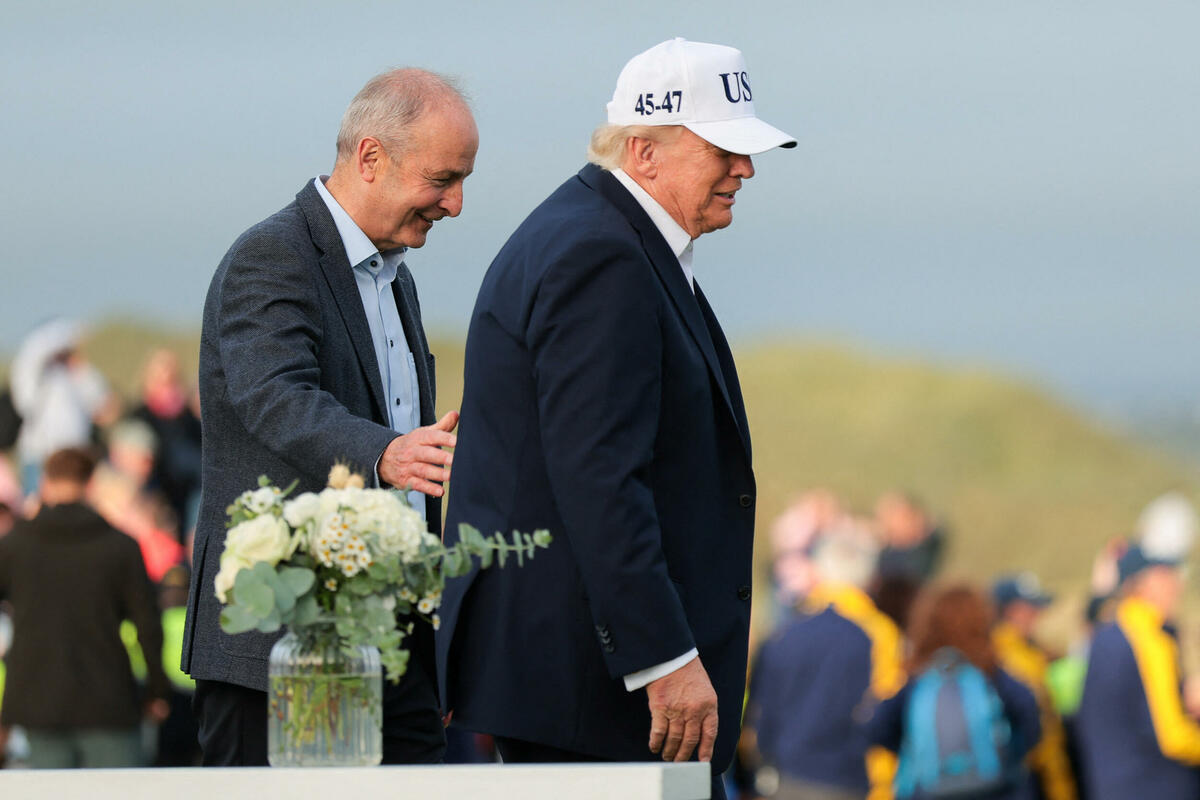
During a visit to Ireland, Donald Trump reaffirmed his endorsement of a united Ireland and announced the removal of the tariff on Irish whiskey. The announcement came at his Doonbeg golf resort in County Clare, where he presented the Irish Open trophy to Shane Lowry. Trump stated to the crowd that he would cut the duty following appeals from people who argued the measure was unfair. The 10% tariff had previously placed Irish whiskey at a disadvantage compared to competitors such as scotch and Northern Ireland whiskey, which face no tariffs.
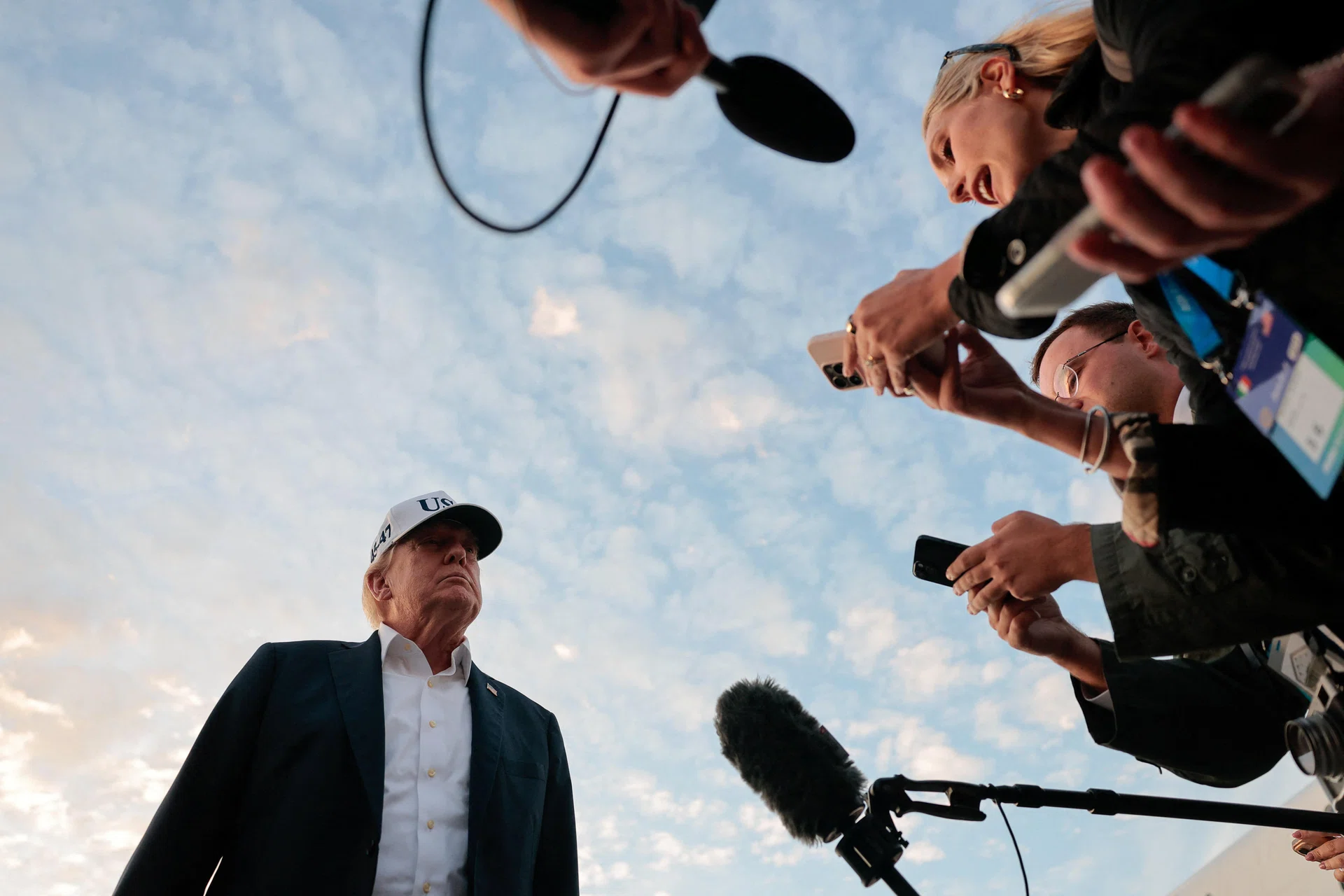
Trump’s remarks regarding Irish unity began during his trip, when he told reporters that one of the most natural things would be for Northern Ireland and the Republic of Ireland to come together. He added that he would love for it to happen sooner rather than later and remarked on Sunday that many people agree with his view. When asked about independence for Scotland, Trump declined to comment, stating he would leave it for another day.
Media additions
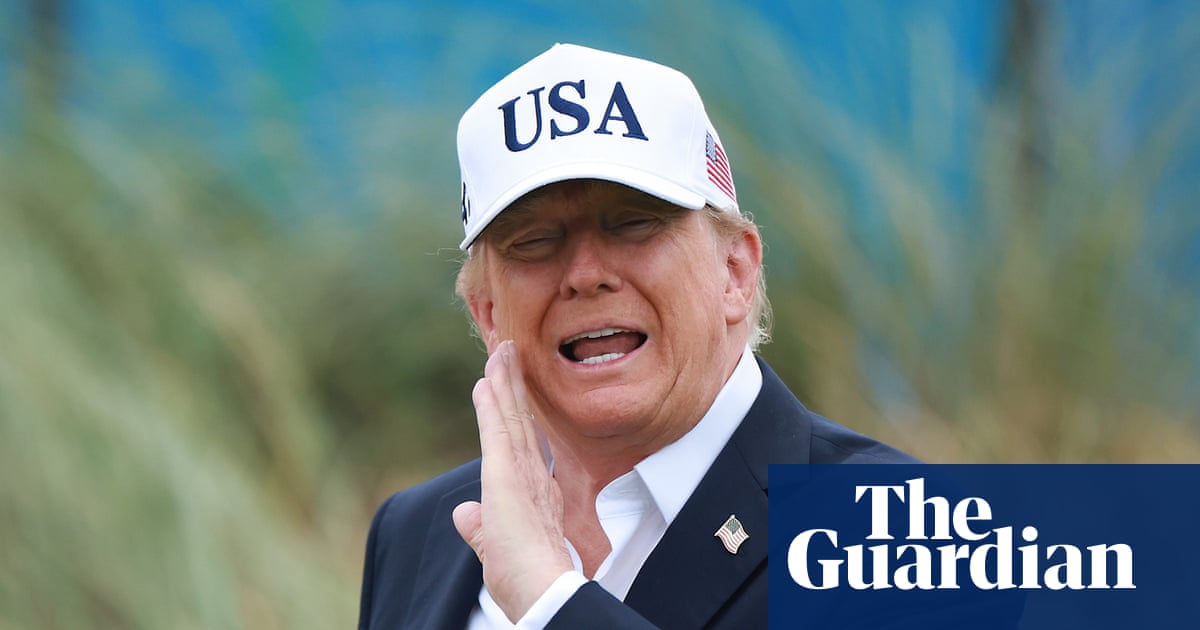
"I won't talk about that yet. I'll leave that for another day."
Donald Trump, via en.vijesti.me
The statements provoked varied reactions from political figures across the United Kingdom and Ireland. British Prime Minister Andy Burnham previously ruled out holding a new referendum on Northern Ireland's exit from the United Kingdom, maintaining that there is not the required support to trigger a vote under the 1998 peace agreement. Angela Rayner, the UK’s communities secretary, played down the president's remarks by noting that the government remains serious about the Good Friday agreement and will continue on that path.
Irish Prime Minister Micheál Martin described the reaction from some unionist politicians as over the top, noting that Trump sees things from a different perspective. Martin discussed Northern Ireland and its relationship with the Republic with the U.S. President, explaining how peace was achieved under British rule. In a separate interview with the BBC, Martin elaborated on his stance regarding the constitutional future of the island.
"I support unification, but I don't see it happening now. I've been very clear about that."
Micheál Martin, via en.vijesti.me
Unionist politicians sharply criticized the intervention. Ian Paisley Jr, a former Democratic Unionist Party MP, dismissed the stance regarding the region's constitutional status.
"Everyone is allowed a personal opinion even when it’s wrong."
Ian Paisley Jr, via The Guardian
Paisley added that the political, cultural, and economic reality is that Northern Ireland and its people are British and wish to remain so. Conversely, nationalist figures welcomed the intervention. Gerry Adams, the former leader of Sinn Féin, stated that the remarks reflect the broad North American sentiment towards Irish unity and the diaspora towards reunification. Adams also criticized successive Irish governments for being shortsighted and failing to plan for unification.
As the weekend concluded, leaders of Plaid Cymru, the Scottish National Party, and Sinn Féin prepared to meet in Cardiff to discuss ways to strengthen cooperation for constitutional change. Meanwhile, the Irish government continues to navigate the diplomatic fallout, preferring to focus on cross-border initiatives rather than a constitutional poll.