Trump asks Supreme Court to allow White House ballroom construction
The Trump administration has officially asked the United States Supreme Court to intervene in a legal battle over the construction of a White House East Wing ballroom.

- Core Development: The Trump administration has officially asked the United States Supreme Court to intervene in a legal battle over the construction of a White House East Wing ballroom.
- Beat Context: Categorized under World with independent corroboration.
- Reporting Depth: 3 minute analytical read synthesized from verified newsroom sources.
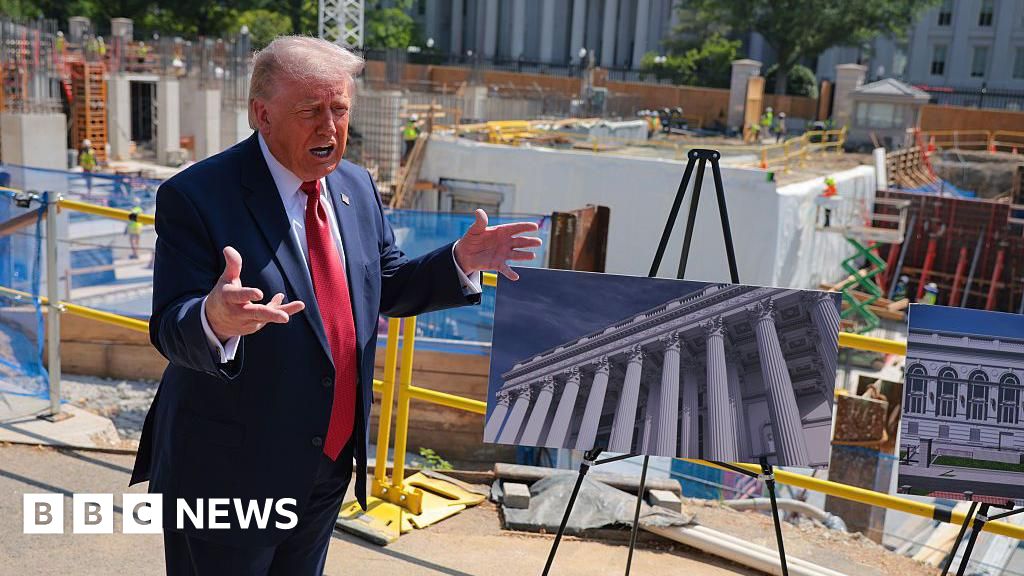
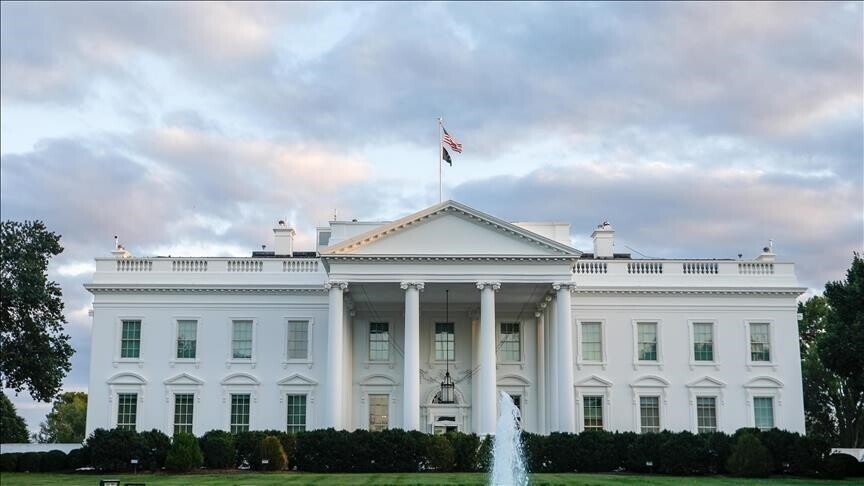
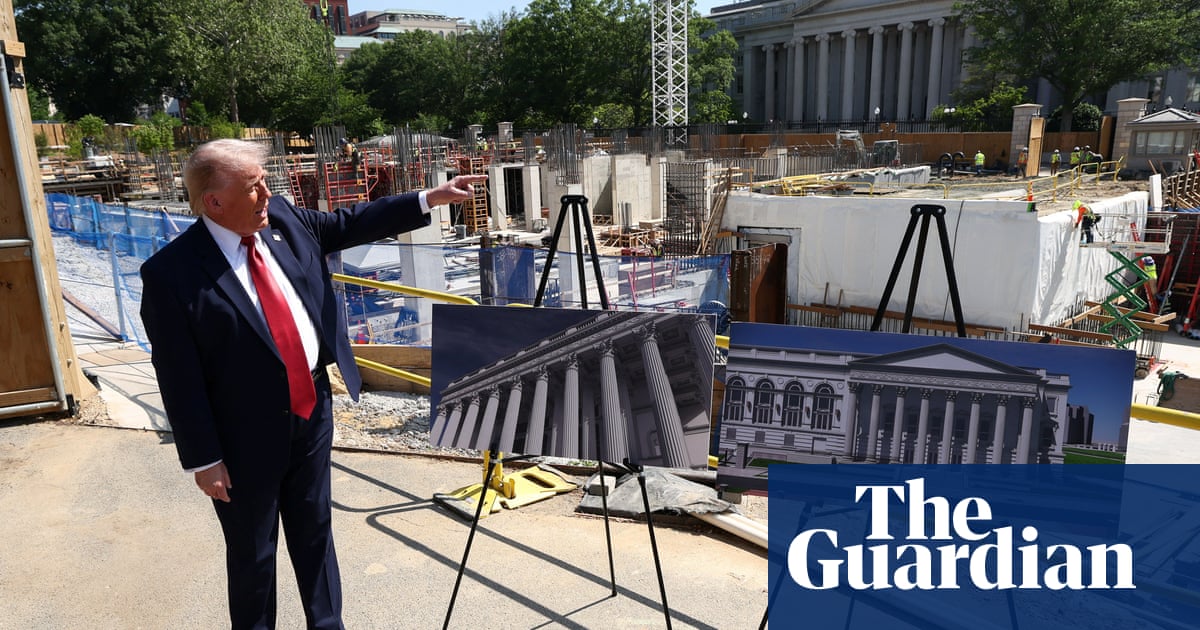
The Trump administration has officially asked the United States Supreme Court to intervene in an intensifying legal battle over the construction of a controversial East Wing ballroom at the White House, according to Fox San Antonio. The emergency application, filed by US Solicitor General D. John Sauer, urges the high court to lift a lower-court injunction that threatens to halt the ongoing project, as reported by the BBC.
According to Anadolu Agency, the filing comes after the US Court of Appeals for the DC Circuit issued a 2-1 decision ruling that the project requires explicit authorization from Congress. The Guardian noted that the legal challenge directly tests presidential authority over federal grounds and capital architecture.
Media additions
Arguments from the Administration
In the 45-page application submitted to the Supreme Court, the solicitor general argued that halting the project would constitute "construction-by-injunction." Sauer wrote that the lower-court mandate is dangerous and inequitable:
"With the dangerous injunction poised to take effect for the first time on August 21, its stop-work mandate is even more flagrantly inequitable, if not impossible."
D. John Sauer, US Solicitor General, via BBC
The administration contends that the development involves an integrated military complex, which encompasses bomb shelters, medical treatment centres, and a totally secure ballroom space required for national security. Furthermore, the application points to multiple assassination attempts against Donald Trump to justify the urgent need for enhanced presidential security features. The administration also maintains that because the project is fully funded by private corporate donations rather than taxpayer money, congressional approval is unnecessary.
Sauer argued in the filing that forcing the president to come hat-in-hand to Congress so the people's house is safe gives the legislature dangerous leverage, maintaining that the matter should be left to the president and the political process rather than courts. The administration also claims that the National Trust for Historic Preservation lacks standing in the case, while insisting that Congress has already authorized the work through statutes granting the president broad authority over White House renovations.
Legal Opposition and Lower Court Rulings
The legal dispute began when the administration demolished the East Wing of the White House to commence the project without seeking prior legislative consent or navigating required public review processes. The National Trust for Historic Preservation subsequently filed a lawsuit, arguing that the massive undertaking violated federal oversight rules and required statutory approval from Congress.
While the D.C. Circuit appeals panel blocked above-ground construction, it permitted underground work tied to security features to continue. The National Trust argued successfully in lower proceedings that the president lacks the unilateral authority to reshape federal property of this scale without legislative backing. The lawsuit also highlighted that the project began without a legally required review, which includes public comment and approval by entities such as the National Capital Planning Commission.
The ballroom project is part of a broader effort by the president to remake Washington's cityscape, which has included the renovation of the Lincoln Memorial Reflecting Pool and a planned "Arc de Trump" in the style of the Arc de Triomphe in Paris. The administration has faced allegations in all the projects that it sidestepped required review and public-comment processes — a charge the president denies.
What to Watch Next
- August 21: The deadline when the appeals court stop-work mandate takes effect unless the Supreme Court grants the administration's emergency application to stay the order.
- Supreme Court Action: Justices are expected to review the solicitor general's emergency application before the impending deadline.
- Full Appeal: The administration prepares its full appeal regarding presidential renovation powers and the legal standing of the National Trust for Historic Preservation.
How significant is this development?
Contribute your assessment to the aggregated reader sentiment ledger.
Frequently Asked Questions
Key questions answered in this reportWhat is the key development in: Trump asks Supreme Court to allow White House ballroom construction?
The Trump administration has officially asked the United States Supreme Court to intervene in a legal battle over the construction of a White House East Wing ballroom.
Why is this World development significant for the UK?
This report covers critical events in our World beat. Independent reporting monitors related UK statements, regulatory shifts, and public responses as further verified details emerge.
How was this reporting corroborated and verified?
Newsarchy UK compiles and cross-references reporting from primary reporting from bbc.com and cross-checked wire reports. All coverage adheres to published editorial standards.
When was this report published?
This briefing was published on August 14, 2026 and is permanently cataloged in the Newsarchy UK World archives.