Typhoon Dolphin hits Japan’s Okinawa, China shuts ports ahead of landfall
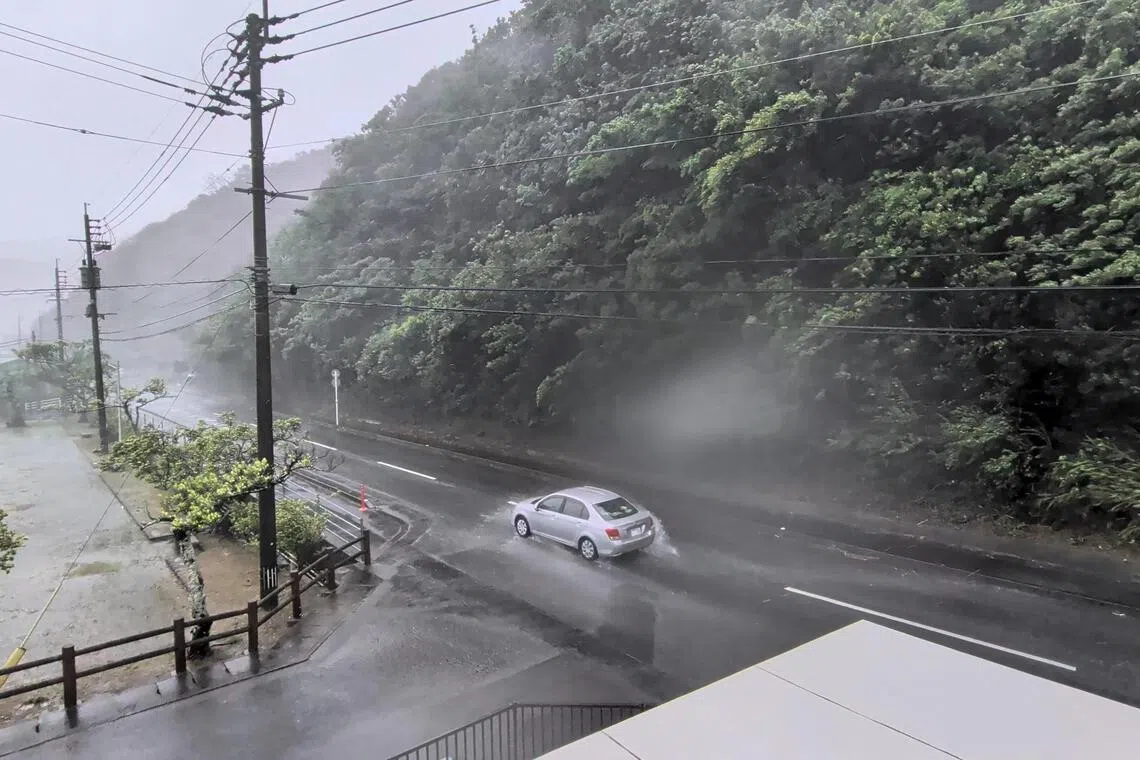
Typhoon Dolphin lashed Japan's Okinawa and Kagoshima prefectures, injuring six people and cutting power to buildings, before heading toward China's east coast.
- Core Development: Typhoon Dolphin lashed Japan's Okinawa and Kagoshima prefectures, injuring six people and cutting power to buildings, before heading toward China's east coast.
- Beat Context: Categorized under World with independent corroboration.
- Reporting Depth: 4 minute analytical read synthesized from verified newsroom sources.
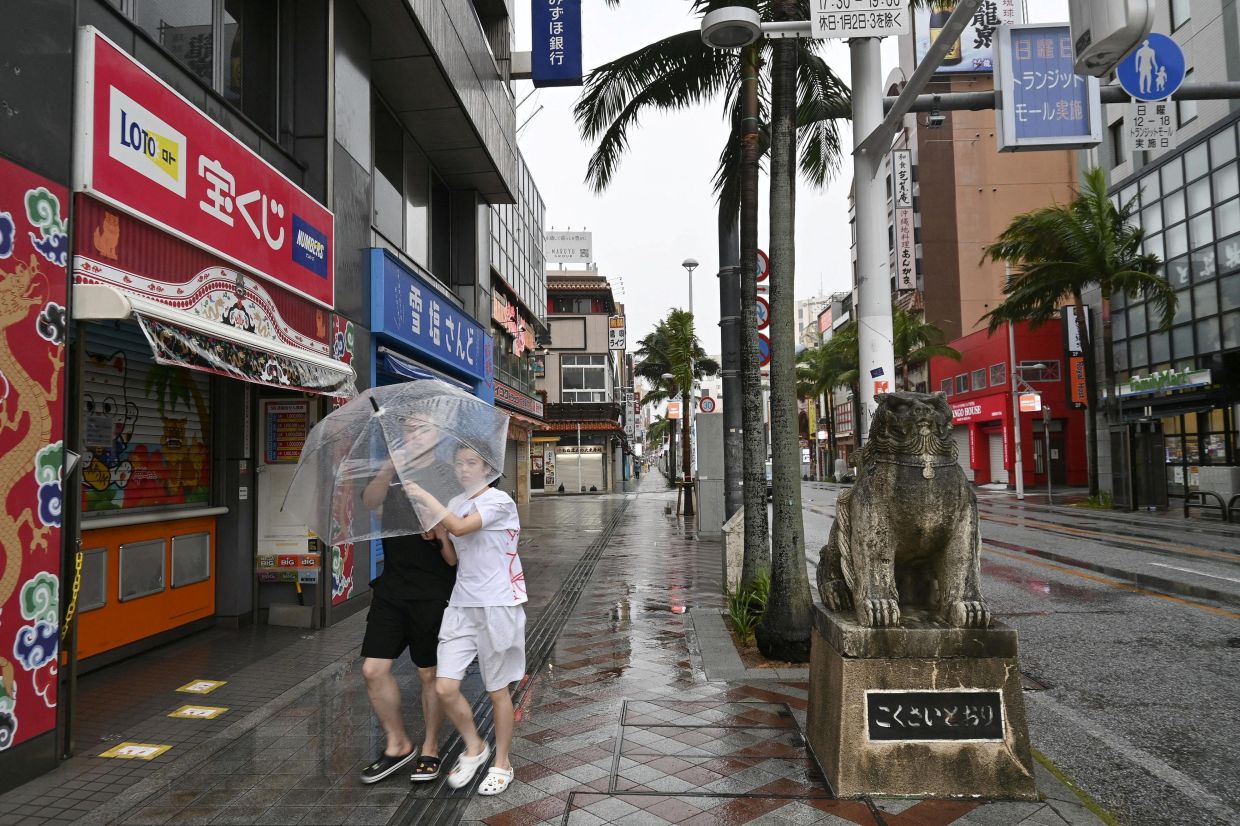
Typhoon Dolphin lashed Japan’s southern Okinawa prefecture on Saturday, injuring six people and cutting power to more than 50,000 buildings, while China shut ports and ferry routes ahead of the storm’s expected arrival on its east coast. Five elderly people, three of whom fell due to strong winds, suffered non-life-threatening injuries in Okinawa while another person was injured in Kagoshima prefecture, the authorities said. Nearly 39,000 buildings were without power in Kagoshima, while just over 12,000 were affected in Okinawa. Domestic airlines ANA and Japan Airlines cancelled flights to and from Okinawa. The typhoon had maximum sustained winds of 162kmh, with gusts reaching 216kmh. Okinawa and Amami Islands in Kagoshima prefecture are the main areas expected to be affected in Japan.
Energy infrastructure suffered significant disruption in the storm's initial path. Authorities detailed that nearly 39,000 buildings lost power in Kagoshima, while just over 12,000 structures were affected in Okinawa. Major domestic carriers ANA and Japan Airlines cancelled flights to and from Okinawa, severing key regional connections as the cyclone pressed onward toward the East China Sea. Okinawa and the Amami Islands in Kagoshima prefecture absorbed the brunt of the Japanese leg of the storm.
Media additions


In China, where the typhoon is expected to make landfall between late on Aug 9 and early Aug 10, the authorities have designated Dolphin as an orange-category typhoon – the second-highest level. Worried about the risk of flooding and landslides, the authorities also raised the emergency response level for Dolphin by one notch to level III, the second-lowest level. The typhoon is most likely to make landfall between Zhoushan city in Zhejiang province and Fuding city in Fujian province, and is expected to bring winds of 38m to 45m per second near its centre, according to China’s National Meteorological Centre.
China’s National Marine Forecasting Centre on Aug 8 maintained its highest, red-level warning for waves, forecasting waves of up to 5m to 8m in coastal waters off Zhejiang through the following afternoon. Under an orange-level warning, waves in coastal waters off Shanghai and northern Fujian could go up to 3m to 5.5m. On the evening of Aug 8, the Chinese authorities issued five weather and disaster warnings, including orange alerts for typhoon, heavy rain and geological-disaster risks, along with a red alert for mountain torrents. Zhejiang, one of China’s biggest provincial economies and a manufacturing and export hub, raised its coastal typhoon alert to its highest level and halted port operations. The authorities in eastern and southern China also suspended ferries, halted some construction work and ordered fishing boats back to port.
Ningbo Lishe International Airport in Zhejiang said it will halt operations from 11.30pm on Aug 8 and suspend all flights on Aug 9. Shanghai’s Yangshan port had been cleared of vessels by late Aug 7, while some rail services in the Yangtze River Delta will be suspended from Aug 9. Rain and strong winds are expected to affect eastern China through Aug 12, including parts of Shanghai and neighbouring provinces. Some areas could receive short bursts of rainfall exceeding 80mm an hour, accompanied by thunderstorms and strong winds. Beijing authorities have said they are closely monitoring the typhoon’s path and are preparing flood-control and evacuation plans for the capital.
The meteorological crisis also triggered immediate geopolitical friction over the Taiwan Strait. Beijing issued a directive requiring vessels passing through the southern section of the strait to heed its traffic control instructions under the guise of typhoon safety. The order drew an immediate and sharp rebuke from Taiwan. Taiwanese officials denounced the maritime instructions as ridiculous
and asserted that Beijing possesses no legal authority to restrict access to international waters.
The diplomatic clash exposes deep disagreements over one of the world's busiest shipping lanes. Taiwan argued that its rejection of the directive is grounded in the United Nations Convention on the Law of the Sea, which guarantees freedom of transit through straits used for international navigation. China, which views democratically governed Taiwan as its own territory, also claims the strategic strait. Both Taipei and Washington reject that claim. Despite the tense exchange, Taiwan’s Coast Guard reported no unusual movements by Chinese vessels and confirmed that no shipping companies had submitted forced-compliance reports as of Saturday.
In Taiwan, 78 international flights were cancelled because of the typhoon, the government said. Heavy rain was expected in northern parts of the island over the weekend, though the authorities had not ordered evacuations as of Aug 8.
Typhoon Dolphin Impact Summary
- Japan: Struck Okinawa and Kagoshima prefectures on Saturday, injuring six people and cutting power to more than 50,000 buildings. Domestic airlines cancelled regional flights.
- China: Designated an orange-level typhoon with projected landfall between Zhoushan and Fuding. Ports suspended operations, ferries halted, and red wave warnings issued for coastal zones.
- Taiwan Strait: Beijing instituted temporary shipping traffic controls citing typhoon safety, prompting fierce rejection from Taipei over international navigation rights and freedom of transit.
The cyclone remains on a trajectory toward China's eastern and southern coastline, with severe weather conditions expected to persist through the middle of August. Authorities across the region remain on high alert as pending landfalls and subsequent flood risks unfold.
How significant is this development?
Contribute your assessment to the aggregated reader sentiment ledger.
Frequently Asked Questions
Key questions answered in this reportWhat is the key development in: Typhoon Dolphin hits Japan’s Okinawa, China shuts ports ahead of landfall?
Typhoon Dolphin lashed Japan's Okinawa and Kagoshima prefectures, injuring six people and cutting power to buildings, before heading toward China's east coast.
Why is this World development significant for the UK?
This report covers critical events in our World beat. Independent reporting monitors related UK statements, regulatory shifts, and public responses as further verified details emerge.
How was this reporting corroborated and verified?
Newsarchy UK compiles and cross-references reporting from primary reporting from straitstimes.com and cross-checked wire reports. All coverage adheres to published editorial standards.
When was this report published?
This briefing was published on August 8, 2026 and is permanently cataloged in the Newsarchy UK World archives.