UK allows US to use British bases for defensive strikes against Iran
Prime Minister Keir Starmer has confirmed that British military infrastructure may now be utilized by the United States to target Iranian missile sites. This policy change follows escalating violence and direct risks to British personnel in the Middle East.

- Core Development: Prime Minister Keir Starmer has confirmed that British military infrastructure may now be utilized by the United States to target Iranian missile sites. This policy change follows escalating violence and direct risks to British personnel in the Middle East.
- Beat Context: Categorized under World with independent corroboration.
- Reporting Depth: 3 minute analytical read synthesized from verified newsroom sources.
The United Kingdom has entered a new phase of military involvement in the Middle East, with Prime Minister Keir Starmer confirming that British bases may now be used by the United States for defensive strikes against Iranian assets.
The decision follows a period of escalating violence in the region, including the launch of Operation Epic Fury by US and Israeli forces. Iran’s subsequent retaliatory measures—which have included missile and drone attacks across the Persian Gulf—have placed British assets and citizens in increasing jeopardy. Prime Minister Starmer stated that the change in policy was necessary because Iranian retaliation had begun to pose a direct risk to British lives.
Media additions
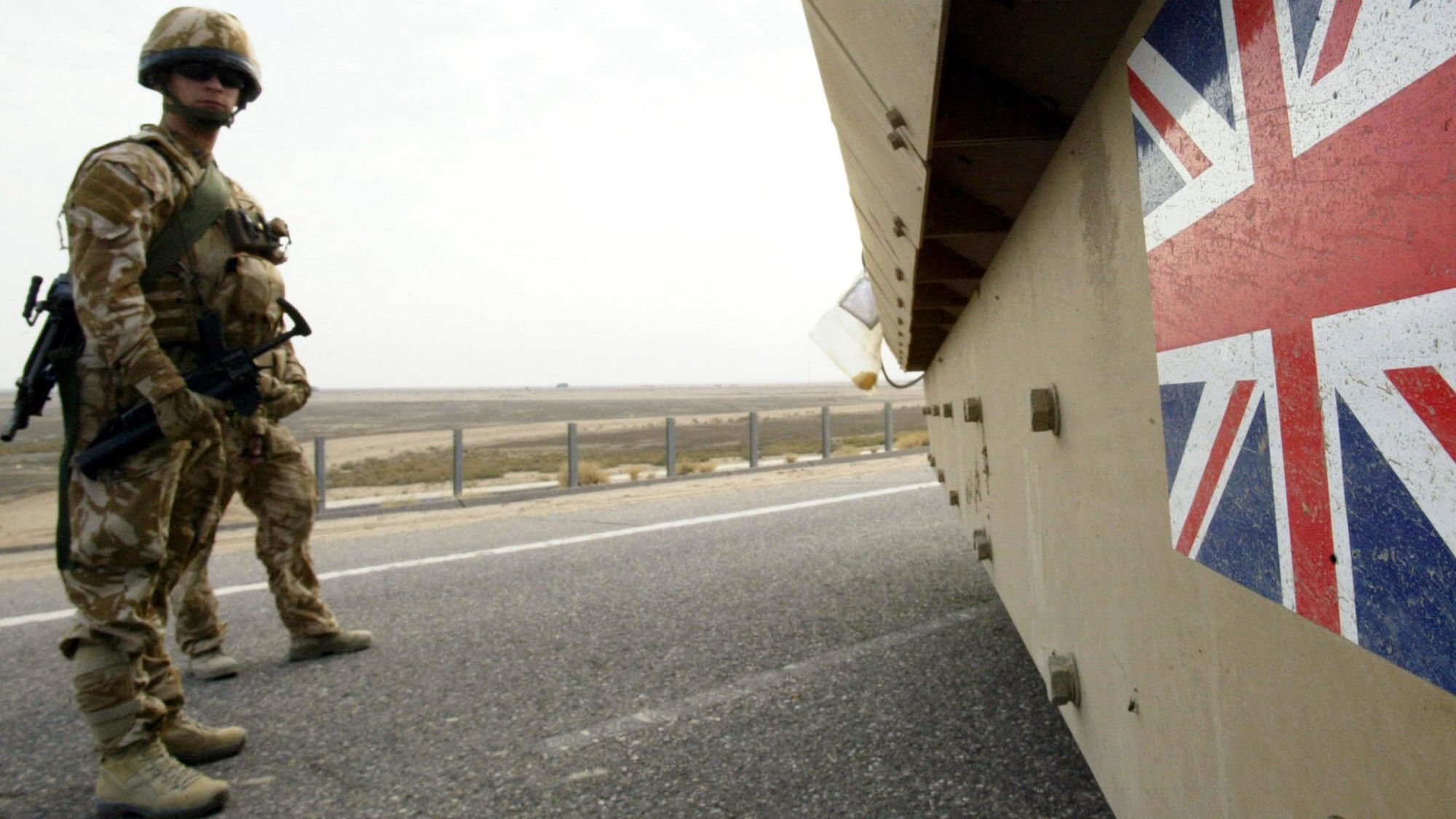


Under the new directives, the United States is permitted to utilise British military infrastructure specifically to target Iranian ballistic missile storage facilities and launch sites. The UK government maintains that such action is legal under international law, as it constitutes the collective self-defence of allied nations.
This policy pivot has faced intense political scrutiny within the United Kingdom. Parliamentary leaders from the Liberal Democrats and the Green Party have demanded a formal vote in the House of Commons. Conversely, figures on the right, including Conservative leader Kemi Badenoch and Reform UK leader Nigel Farage, have criticized the Labour government for its prior hesitation, accusing the administration of demonstrating weakness by initially refusing US requests to use facilities such as the base at Diego Garcia.
The security landscape for British personnel has grown increasingly volatile. Defence Secretary John Healey confirmed that British troops stationed at a naval facility in Bahrain were recently in close proximity to an Iranian missile strike targeting the US Fifth Fleet headquarters. Furthermore, the base at RAF Akrotiri in Cyprus has been the target of drone attacks, and British and American personnel stationed together in Erbil, Iraq, have reported significant threats from kamikaze drones. Recent reports confirmed the death of Lance Corporal James Stewart Freeman during a training exercise in Iraq, highlighting the proximity of British forces to active combat zones.
Strategic analysts warn that the Iranian regime, which maintains a historically adversarial view of British and American cooperation, is unlikely to distinguish between defensive infrastructure support and offensive participation. Tehran may perceive the use of British bases as direct complicity in Operation Epic Fury, potentially elevating the risk of retaliatory strikes against British targets in the Gulf and beyond. This perception is compounded by the historical memory of the 1953 coup against Prime Minister Mohammed Mossadeq, which Iran frequently cites as a precedent for Anglo-American interventionism.
Domestically, public appetite for such intervention appears limited. A poll conducted on 20 February 2026 indicated that a majority of the British public opposed the use of RAF bases for launching air strikes against Iran. Despite this, the UK continues to maintain a substantial military footprint in the region. Beyond the Sovereign Base Areas in Cyprus, Britain operates a naval support facility in Bahrain, maintains logistics hubs in Oman at the port of Duqm, and hosts a joint squadron with the Qatari Emiri Air Force. GCHQ continues to coordinate intelligence-sharing operations through the Five Eyes alliance.
How significant is this development?
Contribute your assessment to the aggregated reader sentiment ledger.
Frequently Asked Questions
Key questions answered in this reportWhat is the key development in: UK allows US to use British bases for defensive strikes against Iran?
Prime Minister Keir Starmer has confirmed that British military infrastructure may now be utilized by the United States to target Iranian missile sites. This policy change follows escalating violence and direct risks to British personnel in the Middle East.
Why is this World development significant for the UK?
This report covers critical events in our World beat. Independent reporting monitors related UK statements, regulatory shifts, and public responses as further verified details emerge.
How was this reporting corroborated and verified?
Newsarchy UK compiles and cross-references reporting from primary reporting from bbc.com and cross-checked wire reports. All coverage adheres to published editorial standards.
When was this report published?
This briefing was published on July 20, 2026 and is permanently cataloged in the Newsarchy UK World archives.