Ukraine attacks Wildberries logistics center in Yekaterinburg
Ukrainian forces struck a Wildberries logistics center in Yekaterinburg, located nearly 2,000 kilometers from the front line, causing a fire and evacuations.
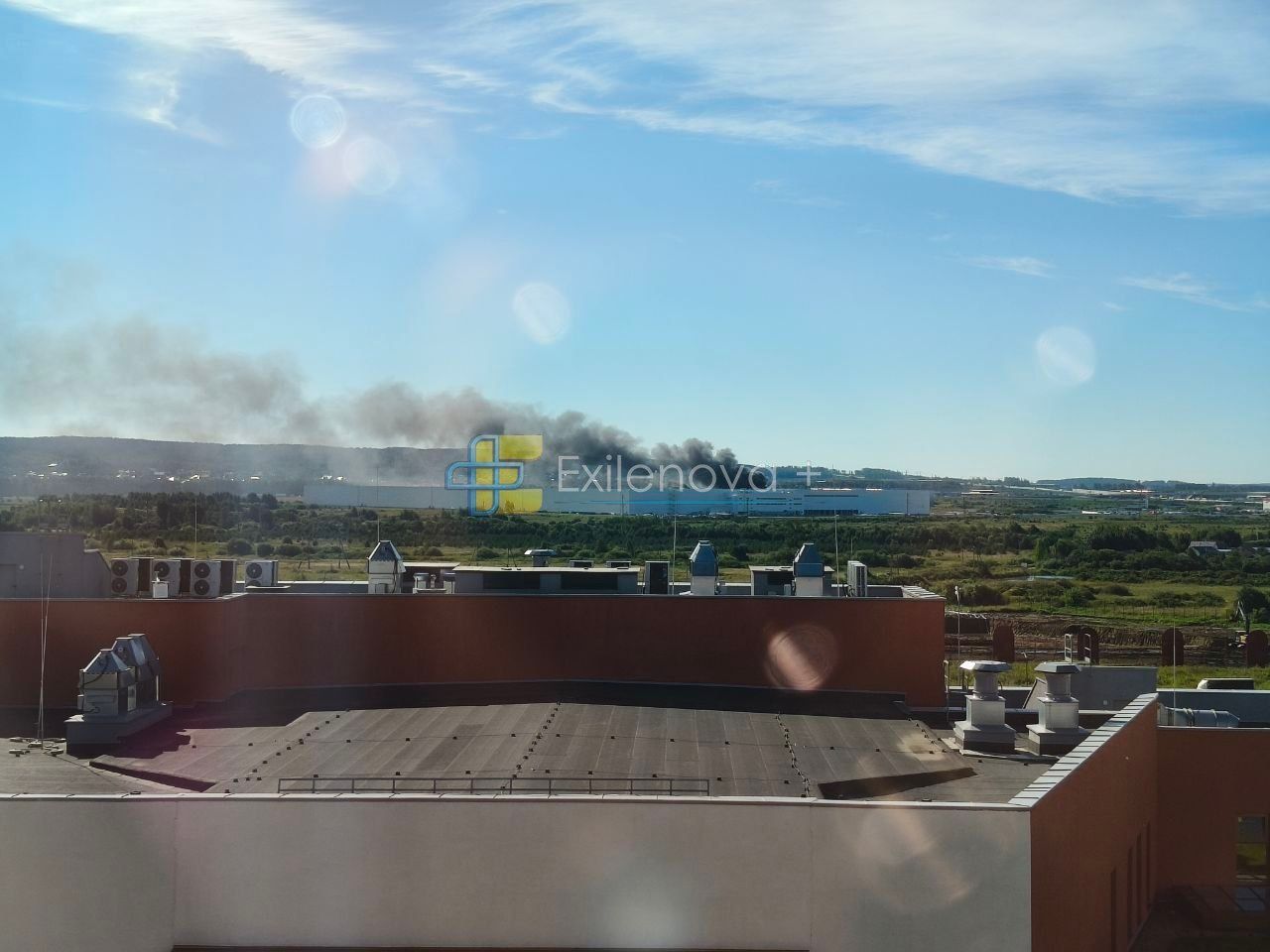
- Core Development: Ukrainian forces struck a Wildberries logistics center in Yekaterinburg, located nearly 2,000 kilometers from the front line, causing a fire and evacuations.
- Beat Context: Categorized under World with independent corroboration.
- Reporting Depth: 3 minute analytical read synthesized from verified newsroom sources.
Ukrainian forces struck a logistics center belonging to the Russian e-commerce giant Wildberries in the city of Yekaterinburg on Aug. 7, Russian independent outlet Astra reported. The facility is located nearly 2,000 km from the front line.
The first photos and videos emerged on Russian social media around 5 a.m. Local time, showing smoke rising from the Wildberries facility. About an hour earlier, Sverdlovsk Oblast Governor Denis Pasler said the region was under attack by Ukrainian drones, while Russia's Federal Air Transport Agency, Rosaviatsiya, imposed temporary flight restrictions at Koltsovo Airport in Yekaterinburg. Pasler said Russian forces had allegedly downed eight drones over the region during the attack, three of which crashed onto the roof of the logistics center. Meanwhile, Russia's Defense Ministry said its air defenses had shot down a total of 203 Ukrainian drones overnight on Aug. 7.
Media additions
Evacuations and Impact on Operations
Artem Zhoga, the Russian presidential envoy to the Ural Federal District, said no one was injured in the attack and that about 800 people were evacuated from the facility. Wildberries also confirmed the attack on its facility, saying the fire had been contained and that the processing of new deliveries was temporarily restricted and redirected to other sites.
The attack on the Wildberries warehouse is part of a broader Ukrainian campaign targeting facilities linked to the Russian retailer, which, among other activities, distributes dual-use goods that can be used in the production of Russian weapons. The first strikes on Wildberries logistics centers began in late July. Since then, Ukrainian forces have targeted about 20 such facilities across various Russian regions and in Russian-occupied Crimea.
Wider Context of Long-Range Strikes
KYIV – United Nations chief Antonio Guterres on Aug 6 condemned both sides for attacks on civilian areas as Ukraine and Russia kept up their artillery war. “These latest series of attacks follow an alarming pattern of escalating strikes against populated areas,” spokesman Farhan Haq told reporters. “Attacks against civilians and civilian infrastructure are a clear violation of international humanitarian law, and must stop immediately.”
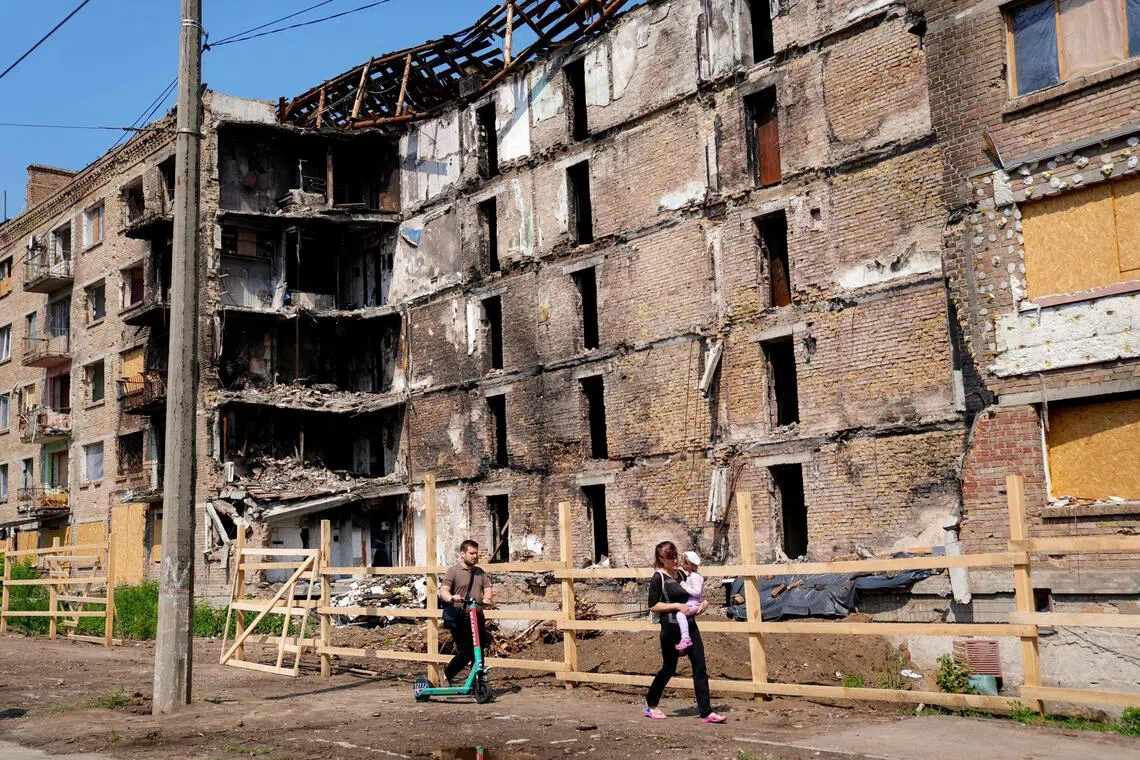
Ukraine struck two Russian oil refineries hundreds of kilometres from the border in an overnight attack, President Volodymyr Zelensky said on Aug 6, as Russia hit a train station and commercial ship in Ukraine. Zelensky said Ukraine had hit oil refineries in the Bashkortostan and Yaroslavl regions – about 1,300km and 700km from the front. Meanwhile, on Aug. 5, Russian forces carried out a large-scale missile and drone attack on Ukraine, with Kyiv and Kyiv Oblast among the main targets. The strikes hit critical infrastructure, residential buildings, and numerous warehouses containing goods from international and Ukrainian brands, causing substantial losses for businesses.
Companies affected included German brands Liqui Moly and Puma, Japanese automaker Toyota, Ukrainian postal operator Nova Post, online marketplace Rozetka, retailer Epicentr-K, and grocery chain Silpo, among others. Fresh Russian attacks overnight killed two people at the Lozova train station in the north-eastern Kharkiv region. A commercial vessel carrying Ukrainian wheat was also hit in the Black Sea by Russia, killing one person, the Odesa region governor said.
The UN nuclear watchdog on Aug 6 warned of a rising number of off-site power losses at the Russian-occupied Zaporizhzhia nuclear power plant in Ukraine. “This trend, with the rising number of off-site power cuts... Is deeply concerning and clearly not sustainable,” Rafael Grossi, head of the International Atomic Energy Agency, said in a statement.
Later on Aug 6, a senior Ukrainian official told AFP that Zelensky would this weekend make his first visit to Serbia since Russia’s invasion. Serbian President Aleksandar Vucic’s office confirmed what it described as an “official visit”.
What to Watch Next
- Further reports from the International Atomic Energy Agency regarding off-site power losses at the Zaporizhzhia nuclear power plant.
How significant is this development?
Contribute your assessment to the aggregated reader sentiment ledger.
Frequently Asked Questions
Key questions answered in this reportWhat is the key development in: Ukraine attacks Wildberries logistics center in Yekaterinburg?
Ukrainian forces struck a Wildberries logistics center in Yekaterinburg, located nearly 2,000 kilometers from the front line, causing a fire and evacuations.
Why is this World development significant for the UK?
This report covers critical events in our World beat. Independent reporting monitors related UK statements, regulatory shifts, and public responses as further verified details emerge.
How was this reporting corroborated and verified?
Newsarchy UK compiles and cross-references reporting from primary reporting from straitstimes.com and cross-checked wire reports. All coverage adheres to published editorial standards.
When was this report published?
This briefing was published on August 8, 2026 and is permanently cataloged in the Newsarchy UK World archives.