Zelenskyy says Ukraine hits a Russian oil refinery for the second time ...
Ukrainian long-range drone strikes have hit critical Russian oil infrastructure for a second time, triggering flight suspensions and fueling regional shortages.
- Core Development: Ukrainian long-range drone strikes have hit critical Russian oil infrastructure for a second time, triggering flight suspensions and fueling regional shortages.
- Beat Context: Categorized under World with independent corroboration.
- Reporting Depth: 6 minute analytical read synthesized from verified newsroom sources.
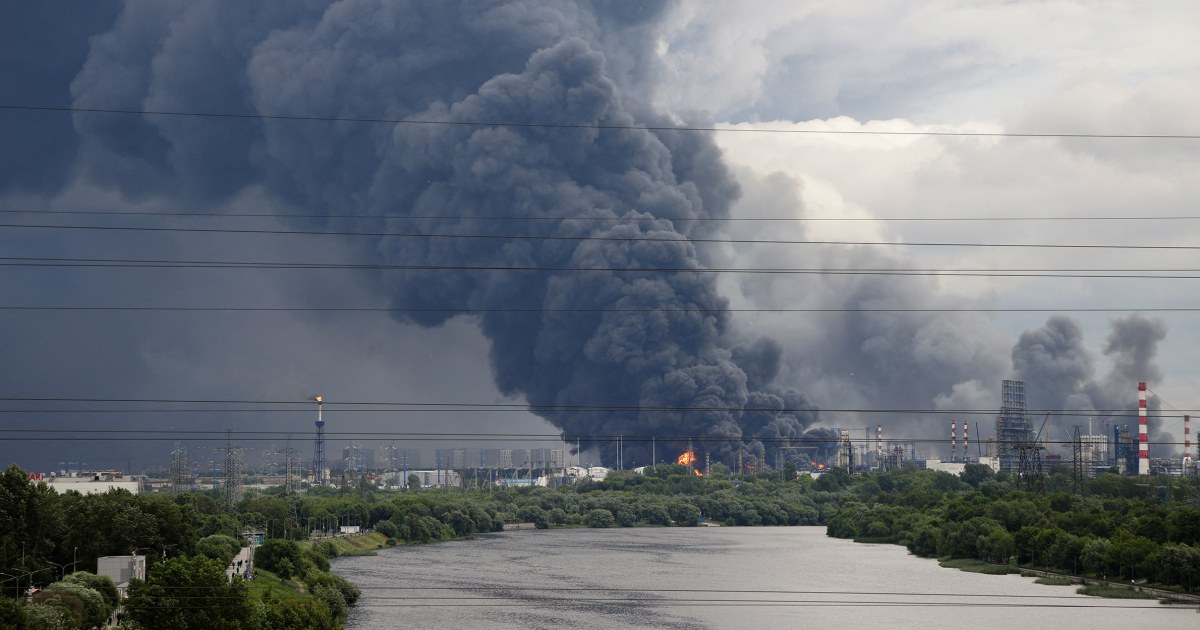
Ukrainian drones set fire to a Moscow‑area oil refinery for a second time in a week, sending black plumes over the capital and halting commercial flights. The strike arrives as President Volodymyr Zelenskyy pushes a high‑profile diplomatic outreach that included a coordination call with U.S. President Donald Trump and French President Emmanuel Macron, and as G7 leaders convene to pledge further aid. The twin attacks – one deep inside Russia’s oil heartland at Ufa and a second at the Kapotnya refinery on the outskirts of Moscow – sharpen the pressure on the Kremlin, already grappling with fuel shortages and growing public unease.
Two separate targets, one strategic goal
On AP News reported Zelenskyy’s announcement that Ukraine’s long‑range drones had hit the Ufa refinery – one of Russia’s largest lubricant producers – for the second time in seven days. The plant lies more than 1,000 kilometres from Ukrainian‑controlled territory. In the same statement, Kyiv said a second strike hit a missile‑components plant in the Penza region, roughly 500 kilometres from the front line, shattering windows in two apartment blocks and damaging a power line.
Media additions
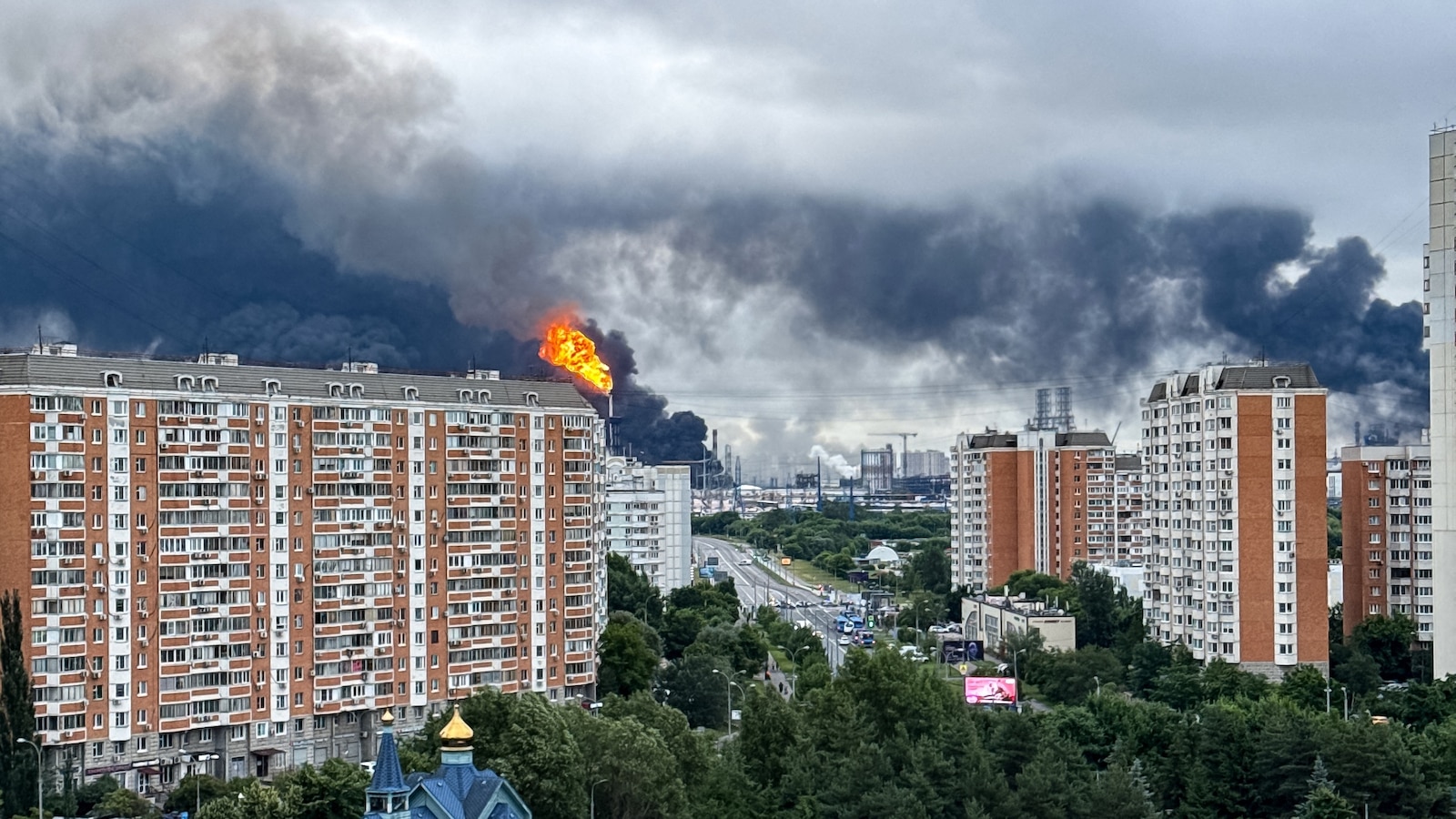


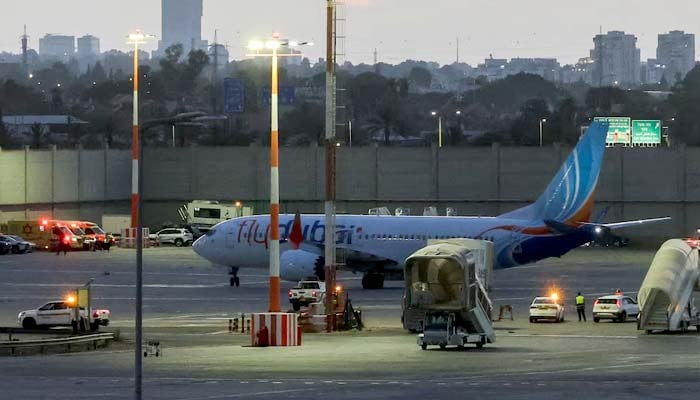
Meanwhile, CBS News and NBC News described the Moscow attack as a “massive drone wave” that ignited the Kapotnya refinery, a facility that supplies about 40 percent of the capital’s fuel, according to its own website. Video footage showed thick black smoke eclipsing the city’s skyline, and airport operations at Sheremetyevo, Domodedovo, Vnukovo and Zhukovsky were suspended.
Both attacks were framed by Kyiv as “fully justified responses” to Russian strikes on Ukrainian civilian sites, including a historic monastery in Kyiv that was hit earlier in the week. Zelenskyy posted on X that Moscow “will burn” if Russian attacks continue, echoing the same language in statements released to the press.
Russian defence response
Russian officials reported intercepting large numbers of Ukrainian drones. The Defence Ministry said it shot down 555 drones across multiple regions on the night of the Moscow strike, with almost 200 intercepted as they approached the capital. ABC News noted that Moscow’s mayor, Sergei Sobyanin, confirmed “several” drones reached the refinery and that the fire was largely contained. The Moscow regional governor, Andrei Vorobyov, listed injuries to 17 people, including two children, and damage to a high‑rise residential building, an industrial facility and private houses.
In the Ufa‑Penza incident, the Defence Ministry reported intercepting 179 drones over 16 Russian regions, Crimea and the Azov and Black Seas. Penza governor Oleg Melnichenko said two industrial plants were struck, injuring two people and shattering windows in nearby apartments.
Strategic context – fuel crisis and military logistics
Repeated attacks on oil infrastructure have contributed to fuel rationing in several Russian regions, a development highlighted by multiple sources. The Al Jazeera report quoted a regional official who said the Kapotnya refinery provides roughly one‑third of the capital’s petrol and other products, and that emergency crews were working to extinguish lingering hotspots.
Ukrainian Defence Minister Mykhailo Fedorov told reporters that Russian forces now face “great problems” delivering infantry to the front line, a claim echoed across several outlets as analysts link the degradation of Russia’s energy supply chain to reduced battlefield momentum.
Diplomatic ripple effects
On the same day as the Moscow strike, Zelenskyy said he had held an “important coordination call” with Trump and Macron that could bring “significant change.” CBC reported that the call preceded the G7 summit, where European leaders pledged additional air‑defence missiles and a “winter support package.” French President Emmanuel Macron described the G7 summit as “very important for Ukraine,” while the United Kingdom announced a pledge of 150,000 drones by year‑end.
Swedish Defence Minister Paul Jonsson, speaking in Kyiv, stressed that Ukraine is becoming “a security provider for the whole of Europe” and announced a Gripen fighter‑jet deal that will help Ukraine counter Russian glide‑bomb attacks, a point covered by both the AP and the Court House News article.
Timeline of key events (June‑July 2026)
- June 16 – First recorded drone strike on the Moscow Oil Refinery, fire extinguished quickly (reported by CBS News).
- June 30 – Russian TOS‑1 flamethrower rockets filmed firing toward Ukrainian positions (AP photo caption).
- July 1 – Zelenskyy announces the second hit on the Ufa refinery and the Penza plant (multiple sources).
- July 1 – Ukrainian drones strike the Kapotnya refinery for the second time this week; black smoke blankets Moscow (CBS, NBC, ABC, Al Jazeera).
- July 1 – Flights from all four Moscow airports suspended; 555 drones reported shot down (Russian Defence Ministry, NBC, ABC).
- July 1 – Zelenskyy meets Irish President during Ireland’s EU Council presidency, urging progress on EU membership (AP, Court House News).
What to watch next
- Turkey NATO summit – scheduled for early August, where Ukraine’s NATO membership ambitions will be discussed.
- Russian retaliation – Russian officials have hinted at “harder blows” and, in some rhetoric, the possibility of using nuclear weapons; watch for any escalation in the coming weeks.
- Fuel availability – monitor reports of fuel rationing in Russian regions and any impact on civilian life in Moscow.
- G7 implementation – track delivery of promised air‑defence systems and the “winter support package” to Kyiv.
Broader implications
The twin strikes illustrate Kyiv’s expanding reach: drones manufactured domestically are now striking targets over 1,000 kilometres away, a capability that Western officials say has given Ukraine “new momentum” on the battlefield. The attacks also serve a dual purpose – eroding Russia’s war‑time revenue and signalling that Russian civilians are no longer insulated from the conflict.
Russian officials have downplayed the operational impact, noting that the refinery fire was largely contained and that oil supplies to Moscow “continue as normal.” Yet the repeated disruptions have forced the Russian transport ministry to halt flights and have prompted public complaints about air quality, as reported by the Moscow ecology ministry.
Internationally, the attacks have reinforced the narrative that Ukraine is a “bulwark for Europe,” a sentiment voiced by Swedish Defence Minister Paul Jonsson and echoed by EU foreign‑policy chief Kaja Kallas in a tweet after the Moscow strike. NATO‑member states are evaluating the need for further air‑defence upgrades, while the United Kingdom’s sizable drone pledge suggests a move toward deeper military integration.
In Kyiv, the war’s fifth year has seen a shift from defensive to offensive drone operations, a trend documented across the coverage pack. Ukrainian forces now target oil terminals, storage depots, pipeline pumping stations and, increasingly, strategic refineries that keep the Russian capital running. The Kremlin’s response – bolstering air‑defence layers and issuing stern warnings – may test the limits of Russia’s defensive capacity.
As the conflict enters a new phase of long‑range strikes, the balance between military pressure and diplomatic overtures will shape the next steps. Kyiv’s push for a negotiated end to the war, combined with heightened Western military assistance, sets the stage for a potentially decisive period in the war’s trajectory.
How significant is this development?
Contribute your assessment to the aggregated reader sentiment ledger.
Frequently Asked Questions
Key questions answered in this reportWhat is the key development in: Zelenskyy says Ukraine hits a Russian oil refinery for the second time ...?
Ukrainian long-range drone strikes have hit critical Russian oil infrastructure for a second time, triggering flight suspensions and fueling regional shortages.
Why is this World development significant for the UK?
This report covers critical events in our World beat. Independent reporting monitors related UK statements, regulatory shifts, and public responses as further verified details emerge.
How was this reporting corroborated and verified?
Newsarchy UK compiles and cross-references reporting from primary reporting from apnews.com and cross-checked wire reports. All coverage adheres to published editorial standards.
When was this report published?
This briefing was published on July 2, 2026 and is permanently cataloged in the Newsarchy UK World archives.