Ukraine strikes Russian Progress rocket factory and Savasleika airfield with missiles
Ukrainian forces launched long-range missile strikes targeting Russia's Progress rocket manufacturing plant in Samara and the Savasleika military airfield using domestically produced FP-5 Flamingo missiles.
Ukraine strikes Russian Progress rocket factory and Savasleika airfield with missiles
EXECUTIVE BRIEFKey Takeaways & Signal
Core Development: Ukrainian forces launched long-range missile strikes targeting Russia's Progress rocket manufacturing plant in Samara and the Savasleika military airfield using domestically produced FP-5 Flamingo missiles.
Beat Context: Categorized under World with independent corroboration.
Ukrainian forces launched long-range cruise missile strikes on the night of 14–15 August 2026, targeting a vital Russian aerospace manufacturing plant and a military airfield deep within Russian territory. According to Yahoo News, Ukraine's General Staff confirmed the overnight operations against the Rocket and Space Centre Progress in Samara and the Savasleika airfield in Nizhny Novgorod Oblast, leaving fires burning at both locations.
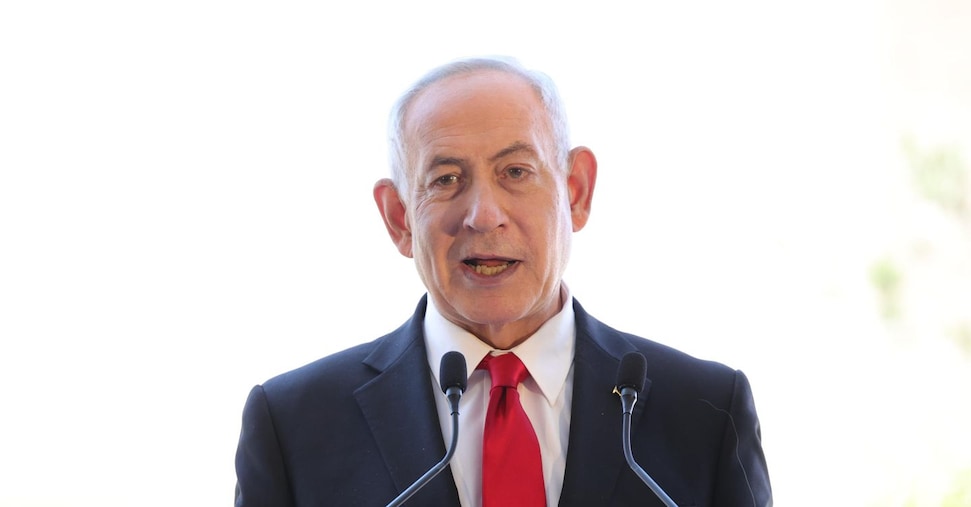
President Volodymyr Zelenskyy confirmed that Kyiv utilized domestically produced FP-5 Flamingo missiles, developed by the Ukraine-based defense group Fire Point, for the operation. Writing on social media, Zelenskyy stated as reported by India Today:
"Peace is needed, and this must be evident in Russia -- through concrete damage to specific facilities,"
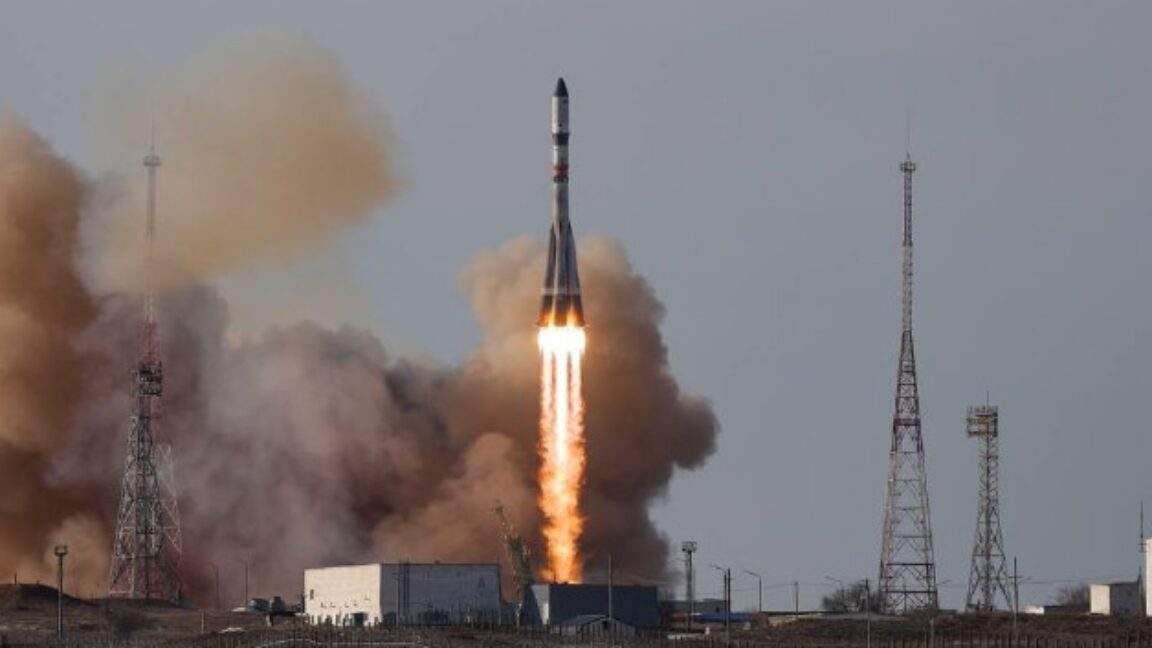
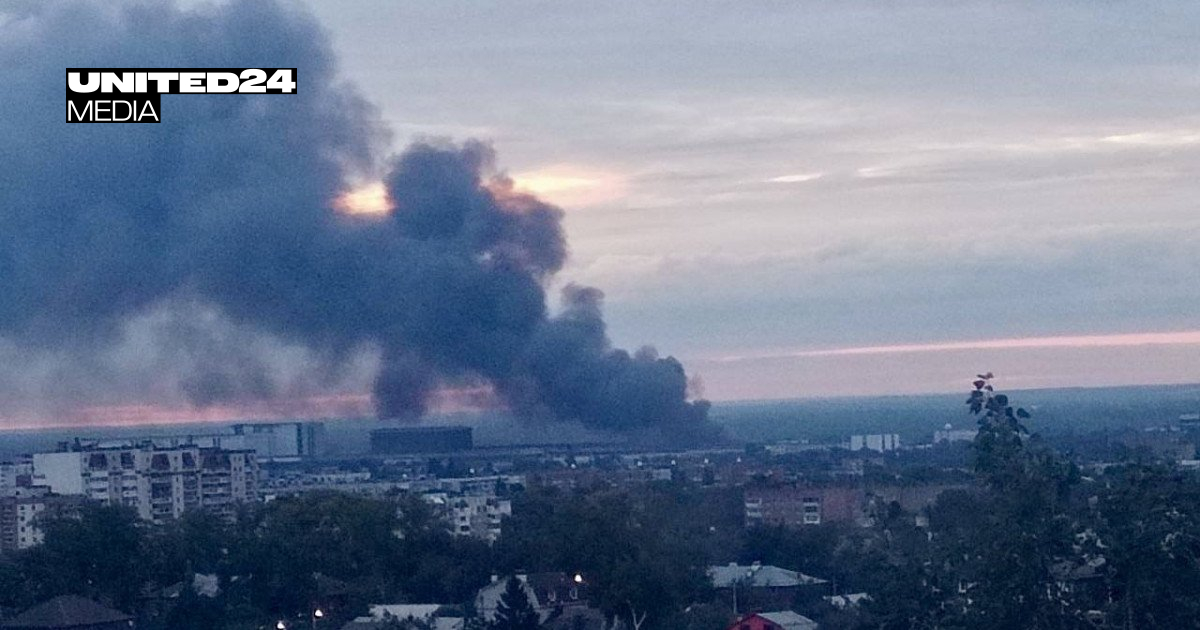
Image via arstechnica.comImage via indiatoday.inImage via united24media.com
Volodymyr Zelenskyy, President of Ukraine, via India Today
He noted that the Samara facility sits approximately 900 kilometres from the Ukrainian border, while the Savasleika air base is located roughly 700 kilometres from the front line.
Fires broke out at both facilities following the impacts. Russian regional officials acknowledged the scale of the operation, though their accounts differed from Kyiv's reports. Samara regional governor Vyacheslav Fedorishchev confirmed that a missile strike hit an industrial facility in the city, while Samara Mayor Ivan Noskov described the event as a large-scale missile strike, according to United24media. Meanwhile, a Russian official claimed that air defences had successfully repelled a massive missile attack on Samara, noting that there was localised damage to industrial sites and medical assistance was provided to those injured, as reported by India Today. Local residents reported explosions after a missile alert, with videos showing a large fire and smoke rising from an industrial area near the Progress centre and the Aviakor aircraft plant.
The Progress centre operates under the Russian space agency Roscosmos and functions as a cornerstone of the nation's military and civil space architecture. The sprawling enterprise manufactures the Soyuz-2 family of launch vehicles, including the Soyuz-2.1b variant, alongside the newer Soyuz-5 rocket. These vehicles deploy Russian government, military, reconnaissance, and communications payloads, including satellites for the Rassvet low-Earth-orbit communications constellation, which Moscow positions as its domestic rival to Starlink. Furthermore, the facility assembles Earth remote sensing satellites utilized for military reconnaissance, and it serves as the principal rocket provider for human spacecraft launches to the International Space Station.
Open-source intelligence and defense analysts scrutinized the exact extent of the damage. Preliminary analysis by CyberBoroshno suggested that the Flamingo missiles likely struck Building 106A at the facility, a structure housing onboard electrical systems, instruments, and circuit boards. Fire Point co-founder Denis Shtilerman posted nighttime footage showing the launch of the Ukrainian-made missile shortly after the strike. Defense Express noted that available imagery indicated the western section of the interconnected industrial complex, where later stages of Soyuz production occur, may have been affected, though official confirmation requires satellite imagery analysis.
Any sustained disruption to Soyuz rocket production carries severe implications for Moscow's broader aerospace ambitions. The Soyuz-2 has served as Russia's primary workhorse vehicle, accounting for more than 85 percent of the country's rocket launches since 2020 out of more than 120 total launches. With aging Proton boosters phasing out and newer Angara rockets struggling to achieve a reliable launch cadence, the nation relies heavily on Progress to maintain its military and human spaceflight programs. Independent figures from Russian Space Web indicate that Russian space demand was already projected to exceed production capacity by 30 to 50 percent for the period leading from 2027 toward the end of the decade.
Simultaneously, the strike on the Savasleika airfield targeted a strategic installation frequently used to host MiG-31K interceptor aircraft capable of carrying Kinzhal aeroballistic missiles. The dual strikes form part of an escalating campaign of long-range aerial attacks by Ukraine aimed at degrading Russian military industrial output, curtailing war revenues, and pressing the physical realities of the conflict further into Russian territory. Independent conflict monitor ACLED reported a sharp three-fold increase in long-range Ukrainian strikes in July compared to January, forcing Russian forces to disperse air defenses over an increasingly wide geographic expanse.
The broader air war saw intense activity across multiple fronts on Saturday, 15 August 2026. Russia's Ministry of Defence claimed its air defenses shot down 598 drones across 19 regions, alongside the Black and Azov Seas and Crimea, while also reporting targeted strikes against Ukrainian port infrastructure in Odesa, Izmail, and Yuzhnyi. Meanwhile, regional strikes inside Russia and Ukraine resulted in civilian casualties, including a drone strike in Shatura in the Moscow region and a deadly strike on an apartment block in Marhanets, Ukraine. As military authorities assess the structural integrity of the Samara rocket hub and Savasleika airfield, observers await high-resolution satellite verification to determine the long-term impact on Russia's space-launch capabilities.
READER INTELLIGENCE PULSE
How significant is this development?
Contribute your assessment to the aggregated reader sentiment ledger.
Click an option to register your anonymous assessment.
Frequently Asked Questions
Key questions answered in this report
What is the key development in: Ukraine strikes Russian Progress rocket factory and Savasleika airfield with missiles?
Ukrainian forces launched long-range missile strikes targeting Russia's Progress rocket manufacturing plant in Samara and the Savasleika military airfield using domestically produced FP-5 Flamingo missiles.
Why is this World development significant for the UK?
This report covers critical events in our World beat. Independent reporting monitors related UK statements, regulatory shifts, and public responses as further verified details emerge.
How was this reporting corroborated and verified?
Newsarchy UK compiles and cross-references reporting from primary reporting from indiatoday.in and cross-checked wire reports. All coverage adheres to published editorial standards.
When was this report published?
This briefing was published on August 15, 2026 and is permanently cataloged in the Newsarchy UK World archives.