UN rapporteur says US drug boat strikes may be crimes against humanity
UN human rights experts warn that a U.S. military campaign targeting vessels in the Caribbean and Pacific violates international law.

- Core Development: UN human rights experts warn that a U.S. military campaign targeting vessels in the Caribbean and Pacific violates international law.
- Beat Context: Categorized under World with independent corroboration.
- Reporting Depth: 3 minute analytical read synthesized from verified newsroom sources.
United Nations human rights experts have warned that a sustained United States military campaign targeting vessels in the Caribbean Sea and the Pacific Ocean violates international law and may amount to crimes against humanity, according to a report published by Al Jazeera. The findings place renewed international scrutiny on the operation, which has drawn condemnation from international legal scholars and human rights organisations over extrajudicial killings.
According to the briefing note prepared by the UN special rapporteur on human rights and counterterrorism, U.S. Forces have carried out dozens of attacks on vessels in international waters, resulting in hundreds of deaths since the campaign began reported by CBC. The operations, coordinated under the military effort designated as Southern Spear, have relied primarily on drones and fighter jets deploying missiles against small craft allegedly used for drug smuggling.
Media additions
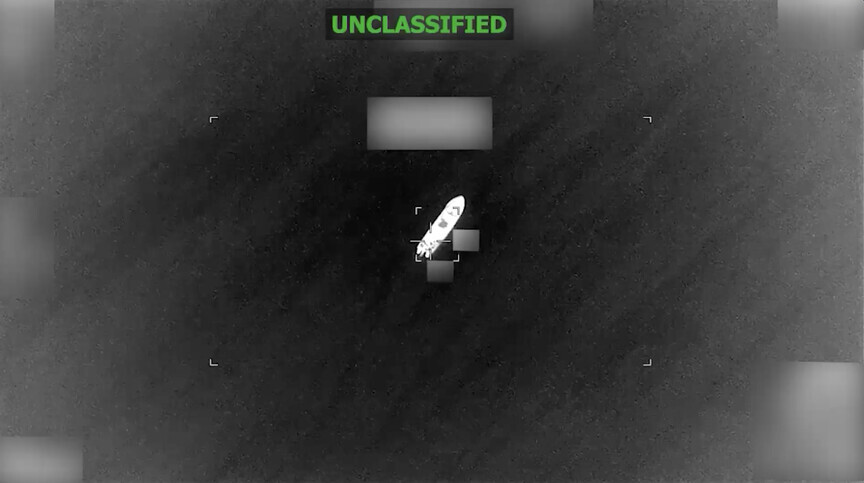
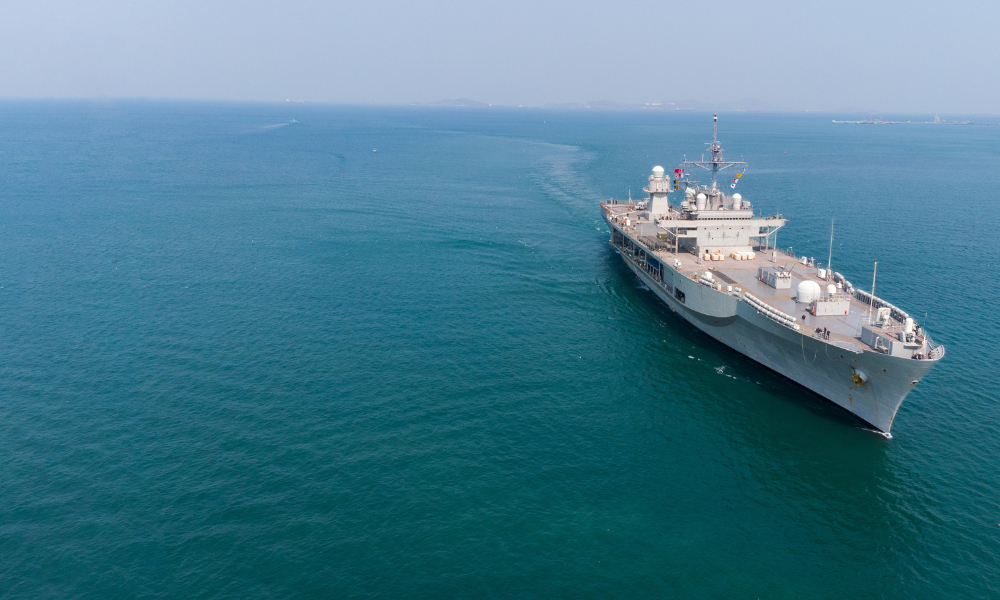
The White House and senior administration officials have consistently defended the actions as a legitimate exercise of national self-defense. President Donald Trump and his administration argue that the United States is engaged in an armed conflict with Latin American drug cartels and gangs such as Tren de Aragua, which have been designated as foreign terrorist organisations. Defense officials have asserted that the operations are necessary to protect American citizens from illicit substances.
However, international legal analysts maintain that the rationale fails to meet established legal thresholds. Drug trafficking does not constitute an armed attack under Article 51 of the UN Charter, meaning that lethal military force cannot be justified as self-defense noted by Lawfare.
| Metric / Phase | Reported Figures | Context & Source |
|---|---|---|
| Total Strikes Assessed | 68 to 69 attacks | Documented by UN special rapporteur Ben Saul across the Caribbean and Pacific (Al Jazeera, CBC) |
| Reported Fatalities | 223 to 231 deaths | Cumulative casualties resulting from maritime missile strikes (Al Jazeera, CBC) |
| Campaign Cost | $4.7 billion USD | Estimated expenditure on military operations by mid-2026 (Al Jazeera) |
Lawmakers from both major U.S. Parties have demanded further transparency and classified briefings. Senate committees have opened active oversight inquiries into the targeting criteria and command structure governing the strikes. Critics in Congress have questioned why the presence of narcotics is purportedly not a mandatory targeting criterion, raising concerns over mistaken identities and the interdiction of legitimate vessels highlighted by CBC.
The campaign has also introduced new complexities for commercial maritime transit and insurance markets. Marine underwriters are evaluating how policies address state military actions outside recognized war zones, particularly if commercial or fishing vessels are misidentified near trafficking routes reported by Insurance Business. While major shipping lanes have not faced widespread reclassification by marine committees, the potential for collateral damage remains a persistent concern.
The broader implications of the military campaign extend into regional diplomacy and international accountability frameworks. Legal scholars suggest that systematic extrajudicial killings carried out under state policy could expose participating officials to investigations by international tribunals or foreign courts exercising universal jurisdiction analyzed by Lawfare. Meanwhile, human rights organisations continue to urge a return to conventional law enforcement, due process, and multilateral cooperation to address transnational crime.
Further developments are anticipated as congressional committees proceed with their bipartisan oversight hearings, and as international bodies weigh responses to the reported violations.
How significant is this development?
Contribute your assessment to the aggregated reader sentiment ledger.
Frequently Asked Questions
Key questions answered in this reportWhat is the key development in: UN rapporteur says US drug boat strikes may be crimes against humanity?
UN human rights experts warn that a U.S. military campaign targeting vessels in the Caribbean and Pacific violates international law.
Why is this World development significant for the UK?
This report covers critical events in our World beat. Independent reporting monitors related UK statements, regulatory shifts, and public responses as further verified details emerge.
How was this reporting corroborated and verified?
Newsarchy UK compiles and cross-references reporting from primary reporting from Lawfare and cross-checked wire reports. All coverage adheres to published editorial standards.
When was this report published?
This briefing was published on September 22, 2026 and is permanently cataloged in the Newsarchy UK World archives.