US and Canada enter trade war as Trump imposes 50% tariffs
The US and Canada have entered an outright trade war after President Trump imposed 50% tariffs on $20bn of Canadian goods following a breakdown in Washington negotiations.
- Core Development: The US and Canada have entered an outright trade war after President Trump imposed 50% tariffs on $20bn of Canadian goods following a breakdown in Washington negotiations.
- Beat Context: Categorized under World with independent corroboration.
- Reporting Depth: 3 minute analytical read synthesized from verified newsroom sources.
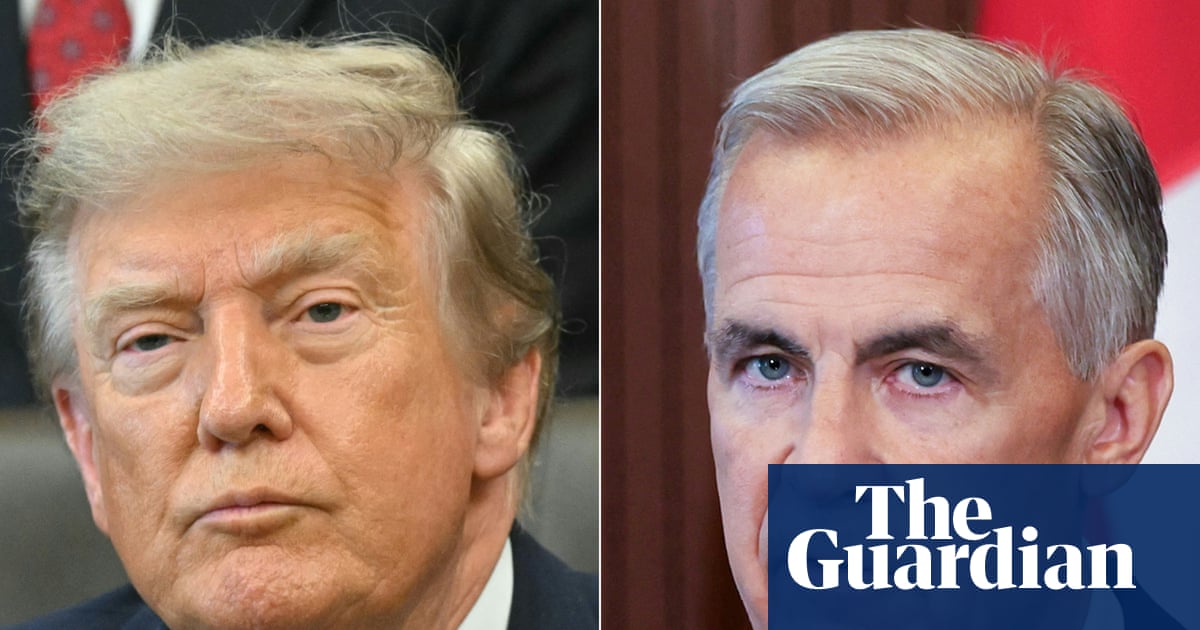
The long-standing economic relationship between the United States and Canada has plunged into an outright trade war following the dramatic collapse of negotiations in Washington. According to reporting from The Guardian, US President Donald Trump lashed out on social media following the breakdown, writing that Canada wants the benefits of being a state without actually being one. He also accused Canada of charging massive amounts of tariffs against American farmers for many years, declaring that it must stop.
The escalation follows the implementation of steep new import levies by Washington. As detailed by the Los Angeles Times, the US government followed through on threats by imposing 50% tariffs on $20bn worth of Canadian goods. These duties hit roughly five percent of everything Canada ships south each year, affecting items ranging from hockey sticks to tongue depressors.
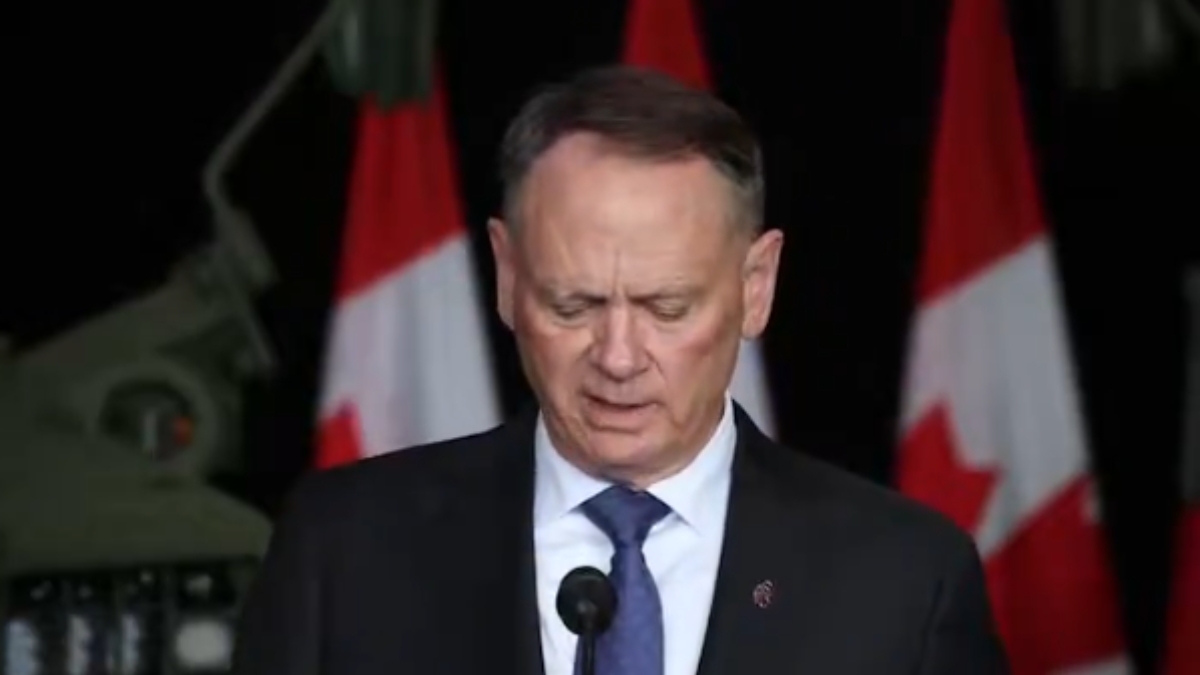
Canadian Prime Minister Mark Carney reacted fiercely to the measures, telling journalists in Ottawa that his nation was effectively at war over trade after being attacked. Carney stated that the neighboring government had miscalculated by escalating its tariff assault and emphasized that Canada could neither accept the offers put forward nor surrender to the demands made. Carney previously served as the governor of the Bank of England and was elected as Canada’s prime minister after campaigning to lead a fightback against Trump, who has suggested he wants to make Canada a 51st state with economic force.
Trade experts cited by The Guardian predict the latest levies could result in isolated job losses, but warn that the primary impact will be political, generating severe friction between the two allies. On the American side, US Trade Representative Jamieson Greer defended the measures during a television appearance, asserting that the administration was compelled to act after facing a year of retaliatory actions from Ottawa. Greer maintained that the countermeasures were necessary to protect domestic workers and supply chains.
The current crisis is the culmination of months of mounting tensions and legal battles across North America. The Los Angeles Times timeline notes that relations began deteriorating heavily when Trump signed an executive order on his first day back in office to impose 25% tariffs on Canadian imports by invoking a national emergency over undocumented immigration and drug trafficking. Although those initial tariffs faced various pauses, exemptions, and a subsequent Supreme Court ruling that struck down import taxes imposed using emergency powers, trade friction steadily compounded through sectoral levies on steel, aluminum, and automobiles.
Further strain developed as Canada pursued independent diplomatic and trade avenues, including lowering tariffs on Chinese electric vehicles—a move that drew sharp rebukes from Washington. Negotiations to renew the trilateral North American trade pact, known as the USMCA, also stalled after Canada and Mexico formally requested a 16-year renewal. The US ultimately declined to extend the pact for that duration, leaving the existing agreement in place until its 2036 expiration date, while Trump moved forward with the 50% tariff rate on goods that had previously enjoyed protection.
As the dispute enters a dangerous new phase, the economic fallout is expected to widen significantly. Prime Minister Carney has vowed a reciprocal response, promising to match the American levies dollar for dollar.
What to Watch Next
- 8 September 2026: Canada’s retaliatory tariffs are scheduled to take effect, introducing new levies on American steel, dairy, appliances, and electronics.
- Future of the USMCA: Observers are closely watching how the ongoing tariff dispute will impact the long-term viability of the North American trade pact, which governs about $2tn annually in goods and services.
How significant is this development?
Contribute your assessment to the aggregated reader sentiment ledger.
Frequently Asked Questions
Key questions answered in this reportWhat is the key development in: US and Canada enter trade war as Trump imposes 50% tariffs?
The US and Canada have entered an outright trade war after President Trump imposed 50% tariffs on $20bn of Canadian goods following a breakdown in Washington negotiations.
Why is this World development significant for the UK?
This report covers critical events in our World beat. Independent reporting monitors related UK statements, regulatory shifts, and public responses as further verified details emerge.
How was this reporting corroborated and verified?
Newsarchy UK compiles and cross-references reporting from primary reporting from theguardian.com and cross-checked wire reports. All coverage adheres to published editorial standards.
When was this report published?
This briefing was published on August 23, 2026 and is permanently cataloged in the Newsarchy UK World archives.