US disables second merchant ship as Iran conflict spreads across Gulf
The US military disabled a second commercial vessel in Gulf waters as the expanding conflict with Iran shuttered critical energy corridors and pushed oil prices past $100 a barrel.

- Core Development: The US military disabled a second commercial vessel in Gulf waters as the expanding conflict with Iran shuttered critical energy corridors and pushed oil prices past $100 a barrel.
- Beat Context: Categorized under World with independent corroboration.
- Reporting Depth: 3 minute analytical read synthesized from verified newsroom sources.
The United States military disabled a second commercial vessel in Gulf waters as the conflict with Iran expanded across multiple regional fronts, shuttering critical energy corridors and driving fuel costs upward according to India Today reporting. American forces targeted the M/T Lavine in the Gulf of Oman after the ship attempted to breach a naval blockade of Iranian ports.
Capt Tim Hawkins, a CENTCOM spokesman, stated that the vessel ignored multiple warnings before military personnel fired into its engine room. The blockade, described by US President Donald Trump as a steel wall, has redirected a dozen merchant ships and halted vessel traffic in and out of Iranian ports since its reimposition.
Media additions

Widening Fronts at Sea and on Land
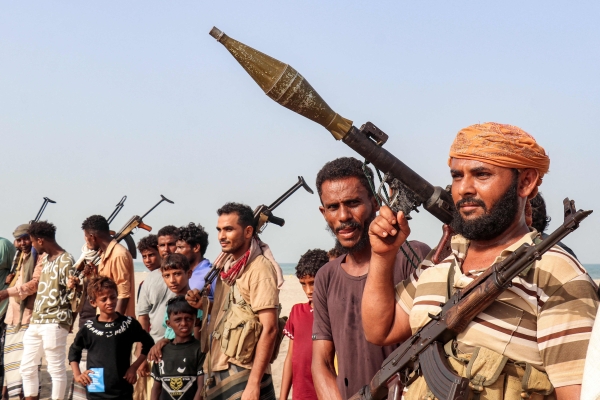
The maritime blockade has choked traffic through the Strait of Hormuz, a crucial global energy route. Concurrently, fighting escalated in the Red Sea as Yemen's Iran-backed Houthi rebels launched missile and drone attacks against Saudi oil tankers, prompting retaliatory Saudi airstrikes on port facilities in Hodeida and Kamaran Island as detailed by the Oman Observer.
Houthi media reported strikes that ignited fires near an Aramco refinery in Jizan, while Saudi authorities defended their actions and warned against further maritime disruptions.
The conflict has also directly impacted regional military installations. US-led forces intercepted drones over Irbil, while Iranian state outlets claimed drone strikes targeted American assets in Bahrain, Jordan, and Kuwait. These retaliatory measures followed a thirteenth consecutive night of US airstrikes on Iranian targets, which Iranian state media reported caused civilian casualties and infrastructure damage in provinces including Khuzestan.
Economic Pressure and Humanitarian Toll
Global energy markets have reacted swiftly to the prolonged disruptions. Brent crude prices surged past $100 a barrel, and average US petrol prices climbed significantly. Energy analysts and officials point out that the chokehold on the Strait of Hormuz has forced Gulf producers to accelerate pipeline alternatives, though those routes remain vulnerable to regional hostilities.
Humanitarian agencies highlighted a severe crisis surrounding stranded mariners. The International Maritime Organization reported thousands of crew members trapped on hundreds of vessels near the Strait of Hormuz without adequate food, water, or medical care. Meanwhile, United Nations human rights chief Volker Turk called for urgent action to help them, and his office said some had been abandoned by ship owners and left to fend for themselves.
Diplomatic efforts remain deadlocked. Iranian Foreign Minister Abbas Araghchi stated that Tehran would hold accountable any nation assisting American military operations, while dismissing the need for additional foreign mediators. Concurrently, political friction has intensified internationally, including a congressional vote in Washington where the House directed the administration to remove US forces from unauthorized hostilities against Iran.
What to Watch Next
- Pending diplomatic discussions and negotiations regarding maritime access in the Strait of Hormuz and the Bab el-Mandeb Strait.
- Israeli Prime Minister Benjamin Netanyahu's scheduled visit to the United States to meet with President Trump.
- Developments regarding the enforcement and expansion of the US naval blockade on Iranian ports.
- Responses from regional governments to ongoing Houthi attacks and retaliatory Saudi strikes in the Red Sea.
How significant is this development?
Contribute your assessment to the aggregated reader sentiment ledger.
Frequently Asked Questions
Key questions answered in this reportWhat is the key development in: US disables second merchant ship as Iran conflict spreads across Gulf?
The US military disabled a second commercial vessel in Gulf waters as the expanding conflict with Iran shuttered critical energy corridors and pushed oil prices past $100 a barrel.
Why is this World development significant for the UK?
This report covers critical events in our World beat. Independent reporting monitors related UK statements, regulatory shifts, and public responses as further verified details emerge.
How was this reporting corroborated and verified?
Newsarchy UK compiles and cross-references reporting from primary reporting from passblue.com and cross-checked wire reports. All coverage adheres to published editorial standards.
When was this report published?
This briefing was published on July 25, 2026 and is permanently cataloged in the Newsarchy UK World archives.