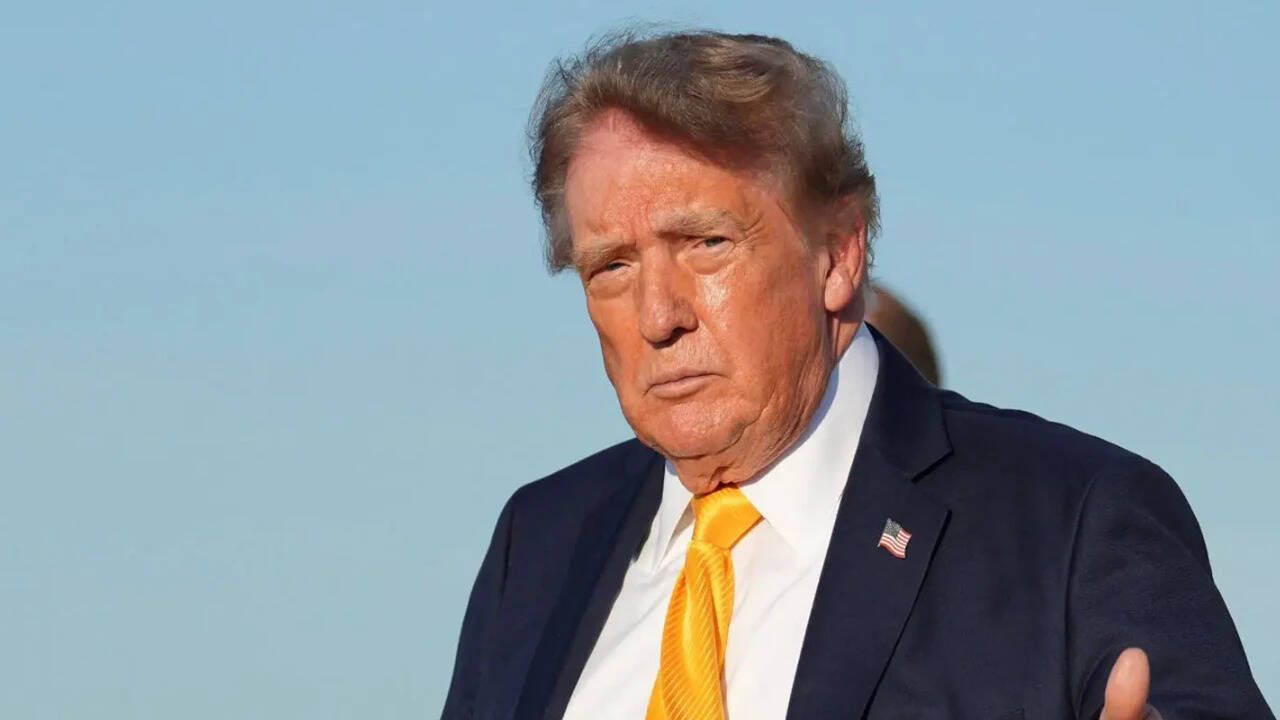
US imposes new tariffs on 60 trading partners over forced labour claims
The US has enacted new tariffs ranging from 10 to 12.5 percent on 60 nations, citing inadequate enforcement of forced labour prohibitions. This move has triggered international criticism and potential legal challenges at the World Trade Organization.
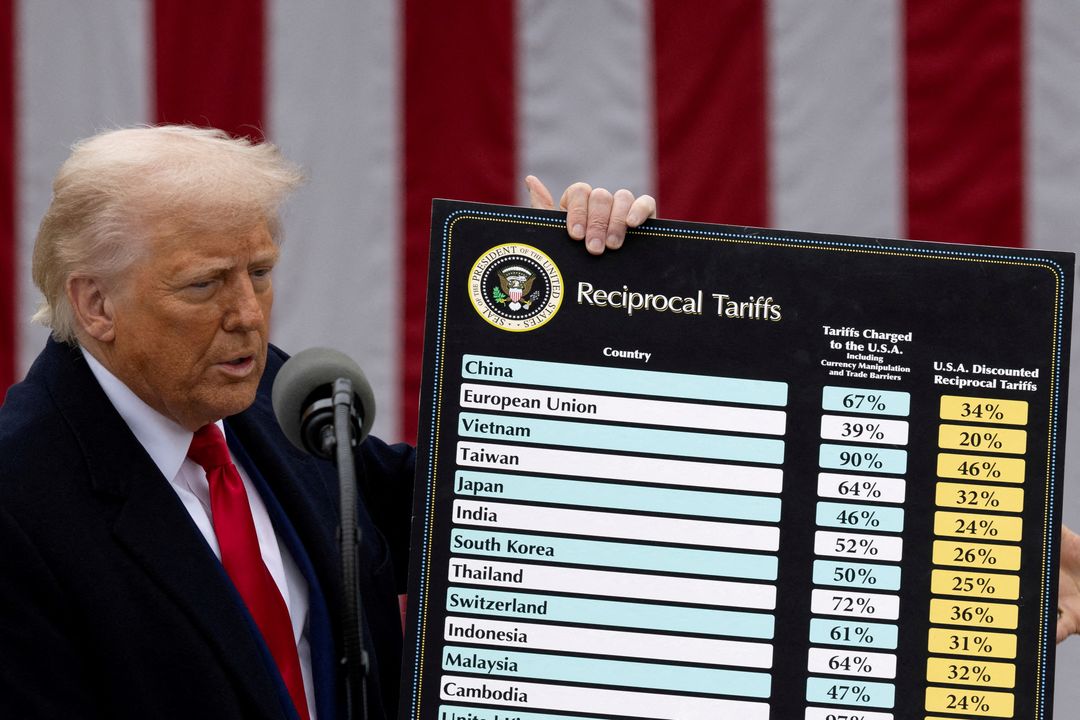
- Core Development: The US has enacted new tariffs ranging from 10 to 12.5 percent on 60 nations, citing inadequate enforcement of forced labour prohibitions. This move has triggered international criticism and potential legal challenges at the World Trade Organization.
- Beat Context: Categorized under World with independent corroboration.
- Reporting Depth: 3 minute analytical read synthesized from verified newsroom sources.
The United States government has implemented a new series of tariffs targeting 60 trading partners, citing concerns over the enforcement of bans on goods produced through forced labour. Effective Friday, the levies replace a expiring set of temporary duties, creating a new trade environment that has drawn immediate backlash from several nations.
The tariffs were announced Thursday via a Federal Register notice. According to the office of the United States Trade Representative, the duties range from 10 per cent to 12.5 per cent. The higher rate applies to countries deemed not to have adequate laws barring the importation of goods manufactured using forced labour, such as China, the United Kingdom, and Japan. A lower rate of 10 per cent has been applied to 17 countries, including India, Canada, Bangladesh, and Pakistan, after those nations demonstrated policy adjustments regarding forced labour prohibitions.
Media additions
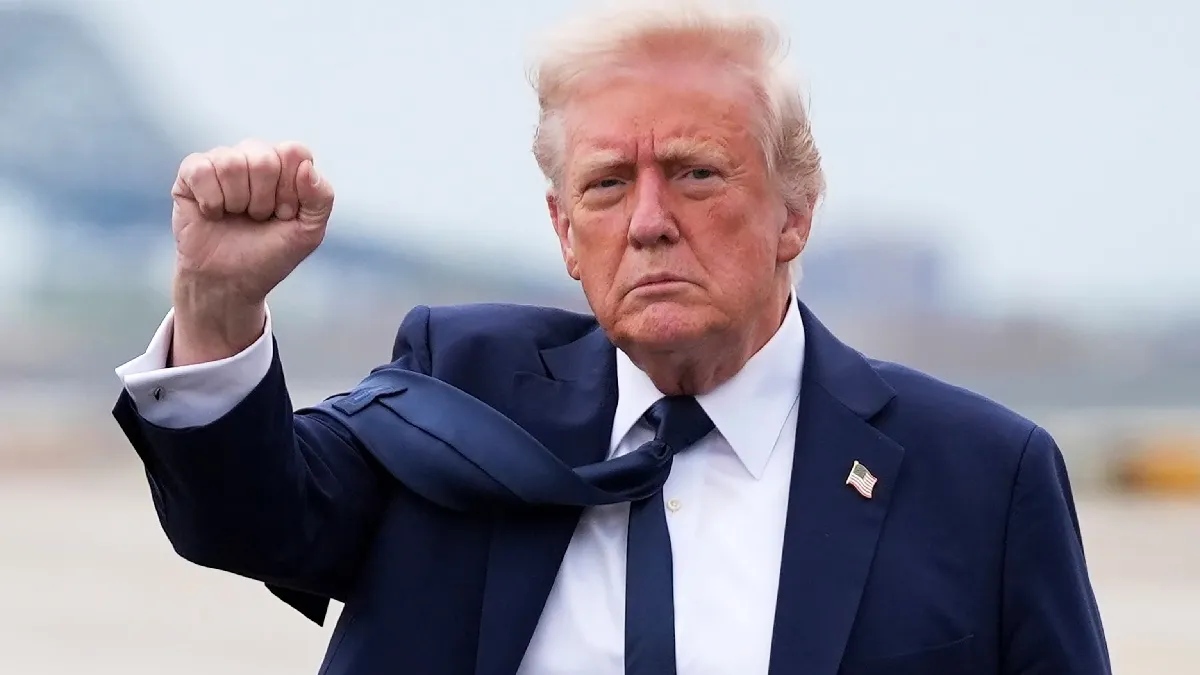

The administration of President Donald Trump initiated these investigations following a February Supreme Court decision that invalidated previous "reciprocal tariffs" established in April 2025. Following that court ruling, the administration had implemented temporary global tariffs set to expire at the start of Friday.
International Response
The move has met with sharp criticism from global capitals, with several governments labelling the measures as unjustified or lacking a legal basis. Brazil, which faces a 12.5 per cent tariff, issued a statement describing the administration's actions as "completely arbitrary" and "unjustified" per reporting from TRTWorld.
The Brazilian government stated it intends to initiate procedures under its own "Reciprocity Law" and plans to bring the dispute before the World Trade Organization. Similar frustration was echoed by Australian officials, who argued that the measures are inconsistent with existing free trade agreements.
"These tariffs are unjustified, inconsistent with our free trade agreement, and should be removed."
Don Farrell, Australian Trade Minister, via TRTWorld
New Zealand Prime Minister Christopher Luxon also expressed dissatisfaction, stating on social media that the United States investigation failed to provide meaningful evidence to support its claims regarding forced labour. Meanwhile, Japan’s government expressed regret over its inclusion in the 12.5 per cent tariff bracket, maintaining that its industrial practices adhere to international rules.
The India-US Trade Dynamic
India’s position within the new tariff framework has been highlighted as a point of calibration. Initially proposed at a 12.5 per cent levy, India’s rate was reduced to 10 per cent after the government in New Delhi amended its foreign trade policy on 14 June to prohibit the import of goods produced using forced labour according to Oneindia.
Analysts suggest this adjustment signifies a desire to balance trade enforcement with broader strategic goals. Abhik Sengupta, a programme officer with an industry body, noted that while the reduction in the percentage point is modest, it acts as a signal that the US is willing to calibrate enforcement while maintaining the trajectory of the India-US economic partnership as reported by The Hindu BusinessLine.
Exemptions and Coverage
Despite the broad scope of the measure—which covers 99.4 per cent of US imports—the administration has included specific exemptions. The new tariffs do not apply to:
- Raw materials where a domestic supply is unavailable.
- Products that would cause economy-wide disruptions if taxed.
- Items that cannot be produced or grown in sufficient quantities within the United States.
Furthermore, Mexican Economic Secretary Marcelo Ebrard noted that approximately 80 per cent of Mexican exports to the US will remain exempt, as they comply with the requirements of the United States-Mexico-Canada Agreement.
What to Watch Next
As the tariffs take effect, attention will shift toward the following areas:
- Legal Challenges: Brazil’s stated intent to utilize the World Trade Organization’s dispute settlement mechanism.
- Economic Impact: The effect of these duties on global supply chains and consumer prices.
- Bilateral Negotiations: Whether countries currently contesting the investigation, such as India, successfully move the discussion into the framework of bilateral trade talks.
The US government maintains that the action is intended to address both human rights concerns and what it classifies as distortive trade practices.
How significant is this development?
Contribute your assessment to the aggregated reader sentiment ledger.
Frequently Asked Questions
Key questions answered in this reportWhat is the key development in: US imposes new tariffs on 60 trading partners over forced labour claims?
The US has enacted new tariffs ranging from 10 to 12.5 percent on 60 nations, citing inadequate enforcement of forced labour prohibitions. This move has triggered international criticism and potential legal challenges at the World Trade Organization.
Why is this World development significant for the UK?
This report covers critical events in our World beat. Independent reporting monitors related UK statements, regulatory shifts, and public responses as further verified details emerge.
How was this reporting corroborated and verified?
Newsarchy UK compiles and cross-references reporting from primary reporting from oneindia.com and cross-checked wire reports. All coverage adheres to published editorial standards.
When was this report published?
This briefing was published on July 24, 2026 and is permanently cataloged in the Newsarchy UK World archives.