US war in Iran costs $37.5 billion as conflict enters 11th night
Defense Secretary Pete Hegseth disclosed the $37.5 billion cost estimate amid mounting pressure for supplemental funding and growing election-year scrutiny.
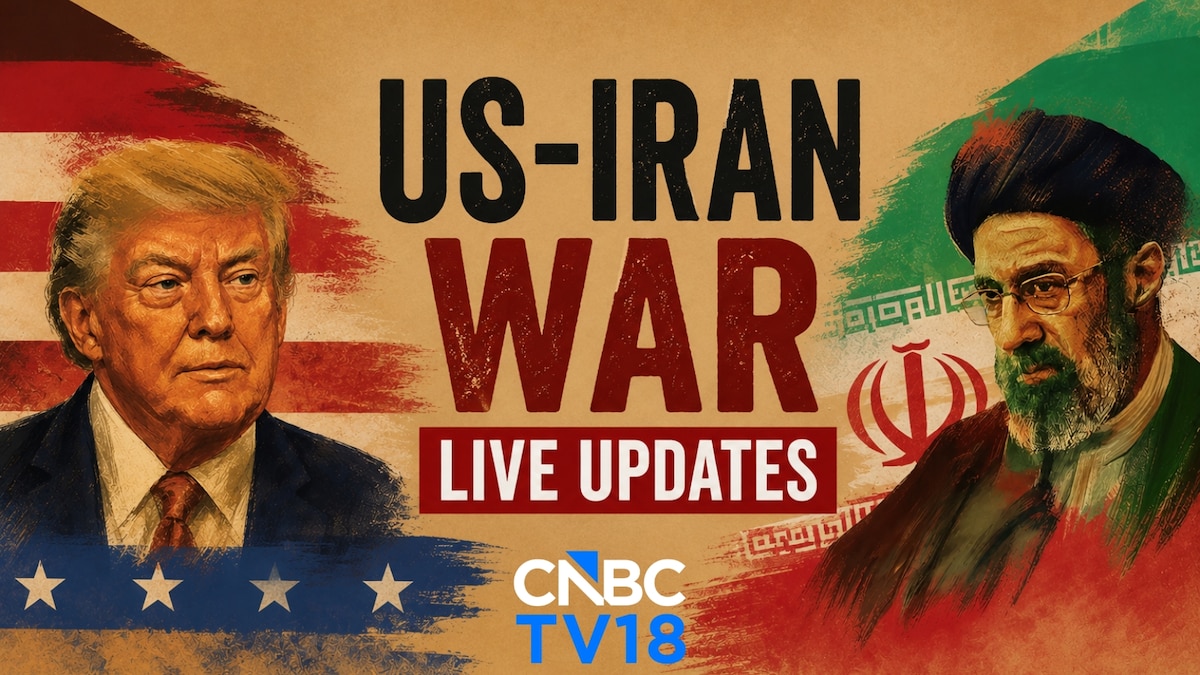
- Core Development: Defense Secretary Pete Hegseth disclosed the $37.5 billion cost estimate amid mounting pressure for supplemental funding and growing election-year scrutiny.
- Beat Context: Categorized under World with independent corroboration.
- Reporting Depth: 5 minute analytical read synthesized from verified newsroom sources.
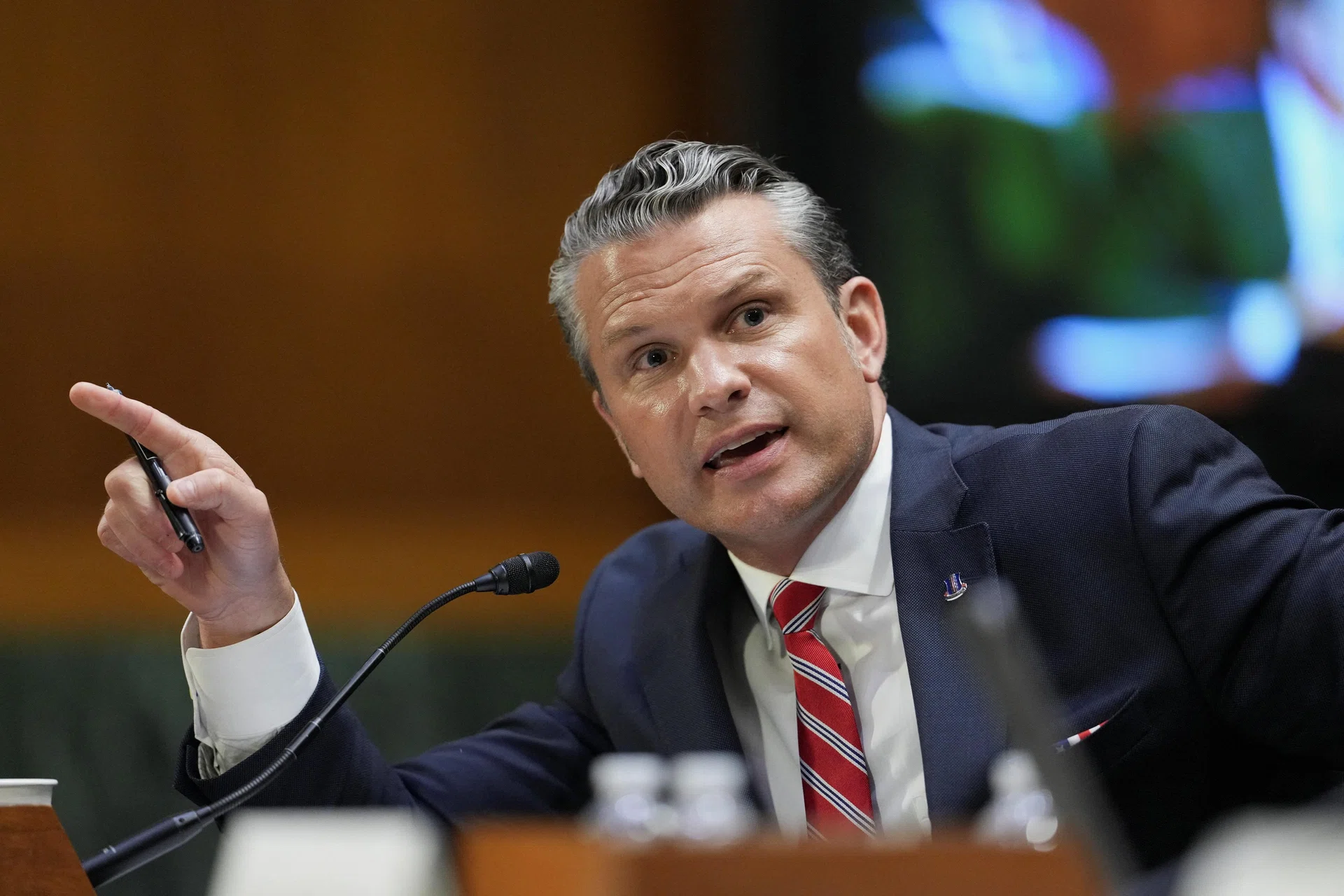
Defense Secretary Pete Hegseth told the Senate Appropriations Committee on Tuesday that the United States’ war in Iran has already cost $37.5 billion, a figure that includes both current outlays and projected expenses through 30 September. The disclosure comes as the campaign entered its 11th consecutive night of strikes, raising fresh questions about the war’s fiscal sustainability and its impact on the upcoming mid‑term elections.
Why the new cost estimate matters now
The $37.5 billion tally represents an increase of nearly $8 billion since the Pentagon’s last public estimate. Hegseth warned that without an “urgent” supplemental funding package the Department of Defense faces “critical shortfalls” in training, maintenance and future capability development. Republicans are simultaneously pushing a $95 billion military spending plan that bundles the Iran war request with broader national‑security and domestic priorities.
Media additions

Democrats, sensing an electoral advantage, have seized on the mounting price tag. Senator Patty Murray described the conflict as “spiraling out of control again” and warned of “another forever war”. The timing is crucial: with the November mid‑term elections less than six months away, both parties are poised to use the war’s cost as a litmus test for the administration’s foreign‑policy credibility.
War timeline to date
- 28 February 2026 – Iranian missiles strike Shajareh Tayyebeh Elementary School in Minab, killing more than 170 children and teachers (source: Tasnim via CnbcTV18).
- 8 July 2026 – A 60‑day ceasefire collapses; Iran and the United States resume daily strikes.
- 17‑19 July 2026 – U.S. Casualties rise to 18 killed and roughly 430 injured; three service members are confirmed dead after an Iranian ballistic‑missile and drone attack on a Jordanian base (source: CnbcTV18).
- 21 July 2026 – Hegseth announces the $37.5 billion cost figure during a Senate hearing (source: Business Times).
- 22 July 2026 – The United States launches its 11th consecutive night of strikes, targeting Iranian logistics, maritime assets and aircraft hangars; explosions are reported in Tehran for the first time since the ceasefire fell apart (source: Yahoo UK).
Ground reality: casualties, infrastructure and regional spill‑over
According to the Pentagon, 18 U.S. Service members have been killed and about 430 wounded since the conflict restarted in late February. An additional 100 service members were reported injured since 7 July, with a 96 percent return‑to‑duty rate. The death toll includes three killed in a missile and drone attack on an American base in Jordan, where the troops were supporting anti‑IS operations.
Iran has claimed fresh attacks on U.S. Installations in Jordan, Bahrain and Kuwait, citing drone strikes on ammunition depots, logistics centres and aircraft‑maintenance hangars. While U.S. Officials have not confirmed these specific incidents, the Iranian state broadcaster IRIB announced the attacks and warned of further retaliation.
Jordan’s air‑defence systems intercepted four of six missiles launched from Iran on Tuesday, with the remaining two landing in unpopulated areas. No injuries or damage were reported, according to the Petra news agency (source: Cnbctv18).
In the Strait of Hormuz, commercial traffic has dipped. Only three commodity vessels crossed on Tuesday, down from four the previous day, according to Kpler data. CENTCOM, however, maintains that the waterway remains open, noting that around 900 vessels carrying roughly 450 million barrels of crude have transited since early May.
Political backdrop and diplomatic moves
President Donald Trump has repeatedly threatened to widen the strike list, naming Iranian energy plants, bridges, the Kharg Island oil hub and a deep‑underground nuclear‑linked site called “Pickaxe Mountain”. He pledged to “take out the mountain facility ‘pretty soon’” during a press briefing (source: Yahoo UK).
In parallel, Secretary of State Marco Rubio warned that allowing Iran to control the Strait of Hormuz would establish a “dangerous precedent” that could reverberate across other strategic waterways (source: Yahoo UK). Yet Rubio also signalled a willingness to negotiate, stating that Washington remains “open and willing to engage in positive and constructive negotiations” if Iran honors its commitments.
Regional allies have voiced mixed messages. Saudi and Emirati officials posted identical statements emphasising “wise leadership” and “shared history”. Meanwhile, Iran’s IRIB dubbed Britain a “cunning old fox” after new UK Prime Minister Andy Burnham approved continued U.S. Use of British bases for “defensive” operations against Iran (source: CnbcTV18).
Pakistan, a key regional mediator, has sought a $10 billion exchange‑stabilisation facility from the United States to bolster its foreign‑exchange reserves and reduce reliance on multilateral financing (source: CnbcTV18).
Fiscal fight in Washington
Hegseth’s testimony highlighted that the $37.5 billion figure covers “certain aspects of the war as well as anticipated costs” through the end of September, though the Pentagon did not detail the calculation method. A Reuters source in March had previously estimated that the first six days of the conflict cost at least $11.3 billion.
Republicans are bundling the war request with a broader $95 billion defence package, arguing that the funding is “urgent and necessary”. Democrats, however, have criticised the administration for a lack of transparency and for seeking additional money while portions of already‑approved spending remain unused.
General Dan Caine, Chairman of the Joint Chiefs of Staff, echoed the budgetary pressure, warning that the Pentagon could struggle with maintenance and future capability investments without the supplemental boost.
What to watch next
As the United States presses on with its 11th night of strikes, the war’s fiscal footprint and human cost are becoming focal points for both lawmakers and voters. The coming weeks will determine whether Washington can secure the funding it deems essential, or whether political opposition will force a re‑assessment of the campaign’s trajectory.
For ongoing coverage of the United States’ nightly operations against Iranian targets, see our live tracker at US military strikes on Iran. Further background on the broader conflict can be found in our World hub.
How significant is this development?
Contribute your assessment to the aggregated reader sentiment ledger.
Frequently Asked Questions
Key questions answered in this reportWhat is the key development in: US war in Iran costs $37.5 billion as conflict enters 11th night?
Defense Secretary Pete Hegseth disclosed the $37.5 billion cost estimate amid mounting pressure for supplemental funding and growing election-year scrutiny.
Why is this World development significant for the UK?
This report covers critical events in our World beat. Independent reporting monitors related UK statements, regulatory shifts, and public responses as further verified details emerge.
How was this reporting corroborated and verified?
Newsarchy UK compiles and cross-references reporting from primary reporting from cnbctv18.com and cross-checked wire reports. All coverage adheres to published editorial standards.
When was this report published?
This briefing was published on July 22, 2026 and is permanently cataloged in the Newsarchy UK World archives.