US Navy faces rising pressure amid recent setbacks and ship delays
The US Navy confronts mounting operational strains, infrastructure failures, and extended deployments following severe engineering incidents aboard key warships.
- Core Development: The US Navy confronts mounting operational strains, infrastructure failures, and extended deployments following severe engineering incidents aboard key warships.
- Beat Context: Categorized under World with independent corroboration.
- Reporting Depth: 4 minute analytical read synthesized from verified newsroom sources.
The United States Navy faces escalating pressure across its global operations as a string of infrastructure failures, protracted deployments, and severe maintenance backlogs expose the limits of an overstretched force. These strains come to light through recent reporting detailing major fleet setbacks, compounded by international coverage of compromised living conditions aboard forward-deployed vessels.
Chief among recent engineering casualties was an incident involving the Arleigh Burke-class guided-missile destroyer USS Benfold. While conducting routine operations in the Indo-Pacific, the warship suffered a generator failure that knocked out primary systems for four days in the South China Sea. Cmdr Matthew Comer, a spokesperson for the US 7th Fleet, stated that the failure involved the ship's generators. The outage stripped the approximately 10,000-ton vessel of air conditioning, galley services, and functioning toilets, while heavily impacting potable water reserves during a period when daytime temperatures reached up to 37 degrees Celsius. Cmdr Comer noted that there were no injuries and praised the crew for their resilience, grit, professionalism, and unwavering steadiness. Nearby vessels within the strike group, including the cruiser USS Robert Smalls, stepped in to ferry prepared meals to the stricken crew.
Media additions

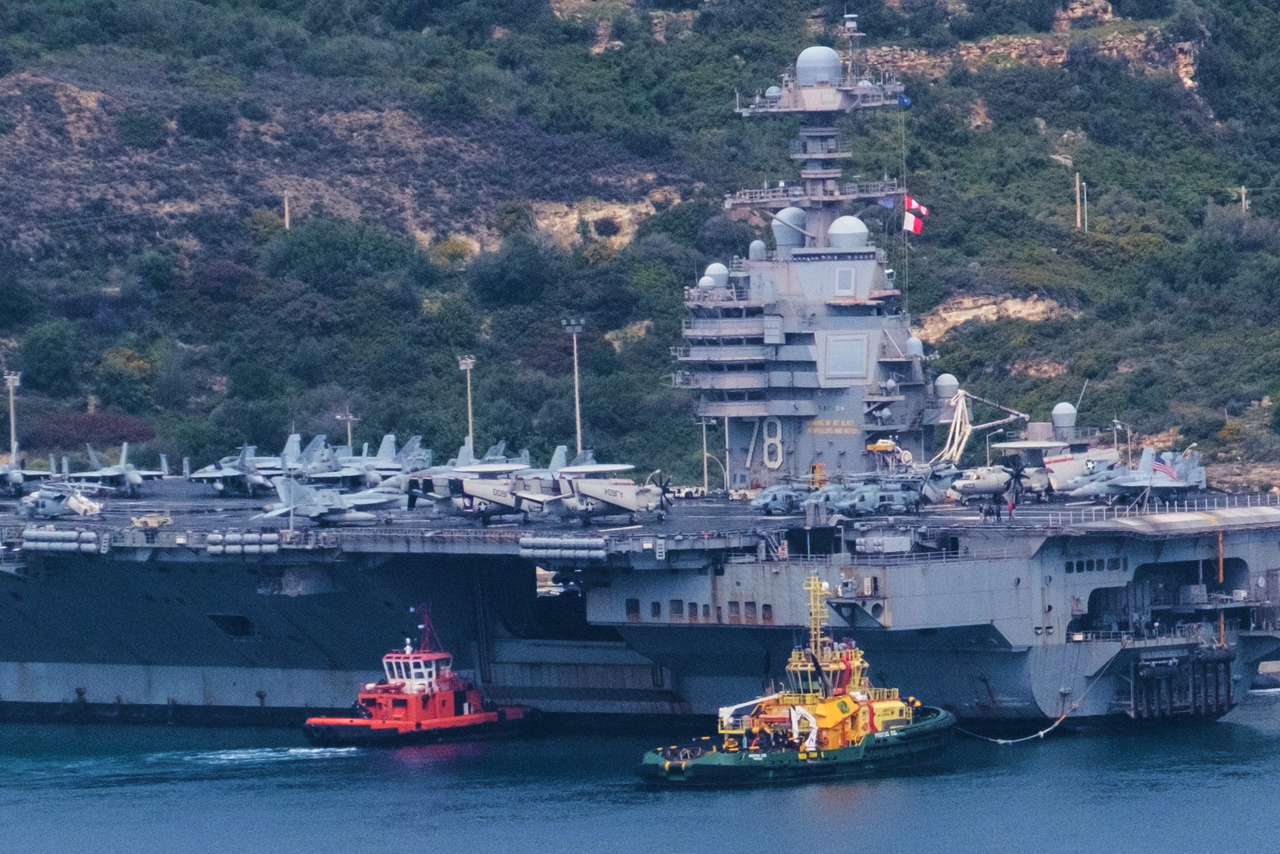
Civilian contractor tugboats eventually towed the disabled destroyer to Subic Bay in the Philippines, where personnel from the Ship Repair Facility-Japan Regional Maintenance Center met the ship on 28 July 2026. Crew members stayed in contracted lodging off the ship starting the following day. Power was restored on 30 July 2026, and repairs were completed by 7 August 2026, allowing the vessel to carry out a berth shift for refueling before departing on 8 August 2026. The breakdown was not an isolated event; earlier in the year, the USS Higgins suffered a separate electrical and propulsion failure in the Indo-Pacific region.
Operational strain has been acutely felt on the service's flat-top carriers as well. The USS Abraham Lincoln surpassed 250 days at sea after a deployment that began in November and faced repeated extensions. Having departed San Diego on 21 November 2025, the carrier spent 208 consecutive days at sea after a brief stop in Guam in December before calling at a port in Oman on 7 July 2026. According to media reports, early supply disruptions caused by regional conflict forced the crew to ration food, relying heavily on simple provisions like tuna and corn dogs. Reports of extreme fatigue, broken plumbing, and mental health concerns emerged alongside accounts of crew members going overboard.
Defense officials have pushed back against these depictions. Defense Secretary Pete Hegseth defended the mission during a visit to Panama, stating that media coverage of the aircraft carrier had been completely mischaracterized.
"We are making sure every ship, every sailor, every captain has everything we can provide them at every moment,"
Pete Hegseth, Defense Secretary, via Biz Herald
Secretary Hegseth added that what sailors are doing in rough seas, in difficult conditions, and without port calls is remarkable. A Navy official also told the BBC that the service had not seen an increase in reported suicidal ideation or attempts, maintaining that current conditions included clean water, functioning air conditioning, and adequate meals.
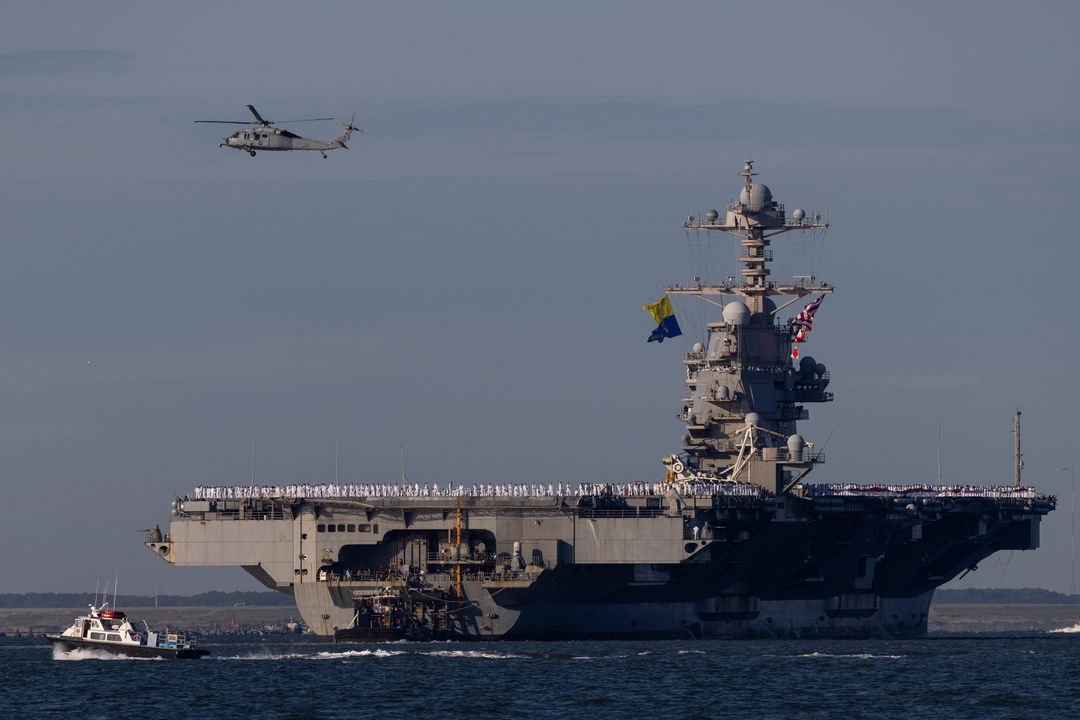
Broader institutional challenges compound these tactical incidents. A government watchdog report revealed that the Navy failed to expand its fleet size over a two-decade span despite a near-doubling of its shipbuilding budget. Programs such as the Constellation-class frigate sit years behind schedule, with the program noted as three years behind, while newer surface combatant initiatives like the Littoral Combat Ship and Zumwalt-class programmes have incurred tens of billions in excess costs while delivering less capability. This capability gap remains a focal point for defense planners as competitor fleets continue to expand.
Recent Fleet Disruptions and Incidents
- USS Benfold: Suffered a four-day total power loss in the South China Sea due to generator failures on 24 July 2026, requiring tow assistance to the Philippines.
- USS Higgins: Lost electrical power and propulsion for several hours following an engineering casualty in its electrical system.
- USS Gerald R. Ford: Endured a major fire in its main laundry area that took over 30 hours to extinguish, displacing hundreds of sailors from berthing spaces during an extended deployment.
- USS Abraham Lincoln: Set modern endurance records with an exceptionally long deployment marked by supply constraints and crew strain.
- USS Harry S. Truman: Collided with the merchant vessel Besiktas-M near Port Said, Egypt, on 12 February 2025.
As the George Washington Carrier Strike Group moves forward to relieve weary units in the Middle East, military analysts and lawmakers continue to monitor the sustainability of current operational tempos.
How significant is this development?
Contribute your assessment to the aggregated reader sentiment ledger.
Frequently Asked Questions
Key questions answered in this reportWhat is the key development in: US Navy faces rising pressure amid recent setbacks and ship delays?
The US Navy confronts mounting operational strains, infrastructure failures, and extended deployments following severe engineering incidents aboard key warships.
Why is this World development significant for the UK?
This report covers critical events in our World beat. Independent reporting monitors related UK statements, regulatory shifts, and public responses as further verified details emerge.
How was this reporting corroborated and verified?
Newsarchy UK compiles and cross-references reporting from primary reporting from trtworld.com and cross-checked wire reports. All coverage adheres to published editorial standards.
When was this report published?
This briefing was published on August 18, 2026 and is permanently cataloged in the Newsarchy UK World archives.