US offers up to $10 million for information on senior IRGC leaders
The United States has issued a bounty of up to $10 million for five senior commanders of Iran's Islamic Revolutionary Guard Corps amid escalating sanctions and maritime enforcement.
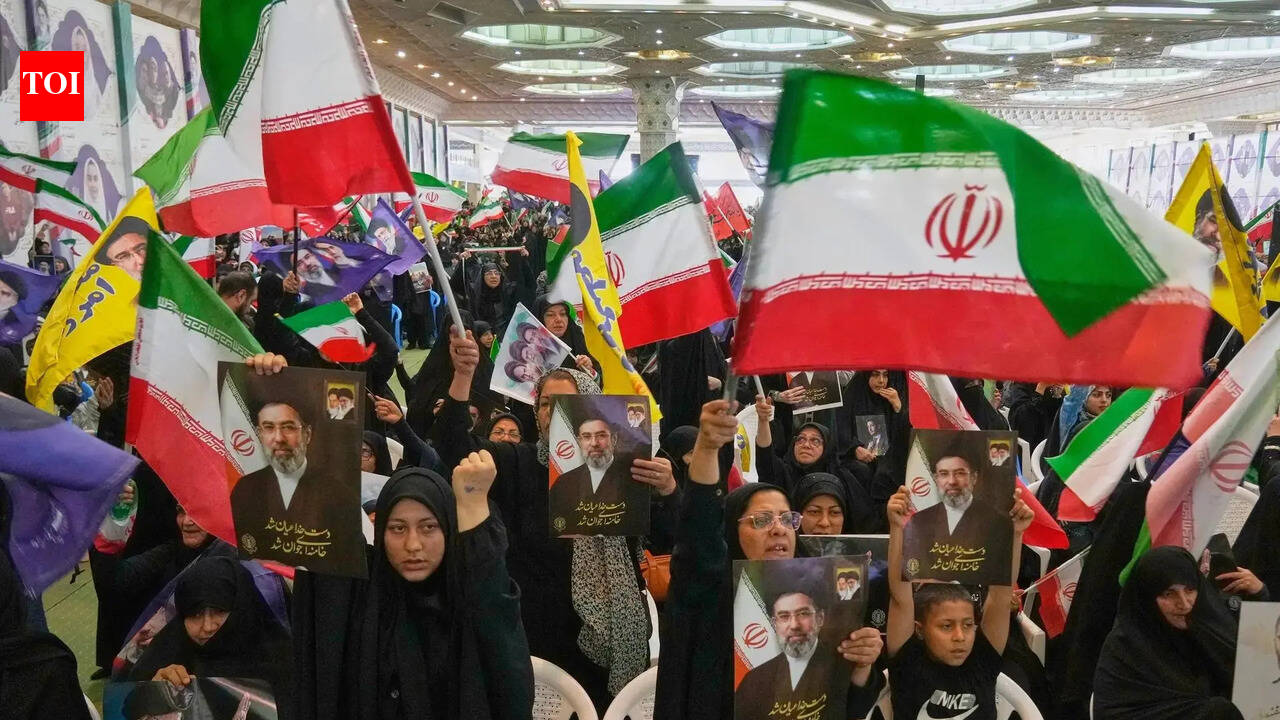
- Core Development: The United States has issued a bounty of up to $10 million for five senior commanders of Iran's Islamic Revolutionary Guard Corps amid escalating sanctions and maritime enforcement.
- Beat Context: Categorized under World with independent corroboration.
- Reporting Depth: 5 minute analytical read synthesized from verified newsroom sources.
The United States has offered a bounty of up to $10 million for information leading to five senior commanders of Iran’s Islamic Revolutionary Guard Corps (IRGC), according to an announcement made through the State Department’s Rewards for Justice programme. The rewards include the possibility of relocation for those providing information. The programme named Ahmad Vahidi, commander of the IRGC; Ali Abdollahi, chief of the Khatam al-Anbiya Central Headquarters; Saeed Aghajani, commander of the IRGC Aerospace Force’s drone unit; Hamidreza Lashgarian, chief of the IRGC Cyber-Electronic Command; and Majid Khademi, commander of the IRGC Intelligence Office. Rewards for Justice stated that the five individuals lead units involved in activities that Washington has accused of supporting terrorism and targeting US interests. The United States designated the IRGC as a Foreign Terrorist Organization in 2019.
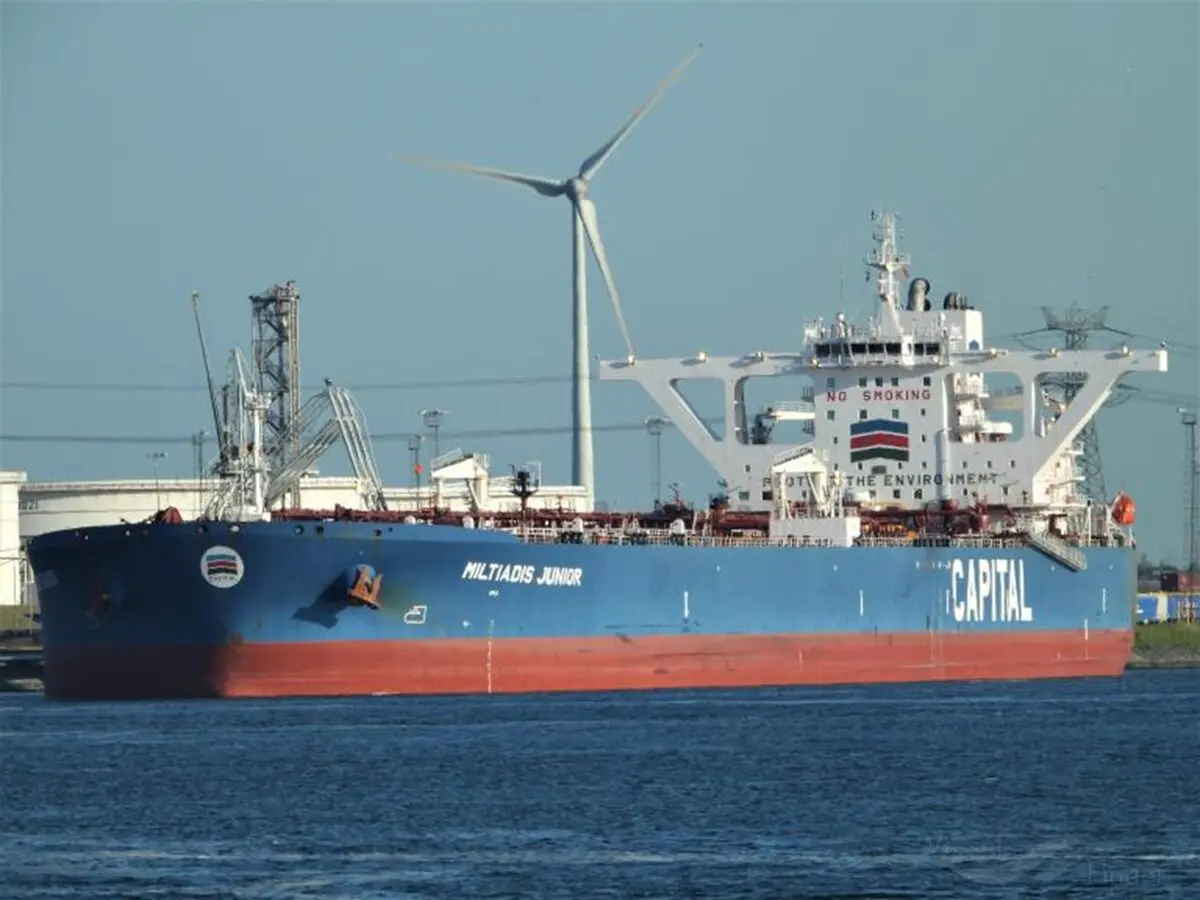
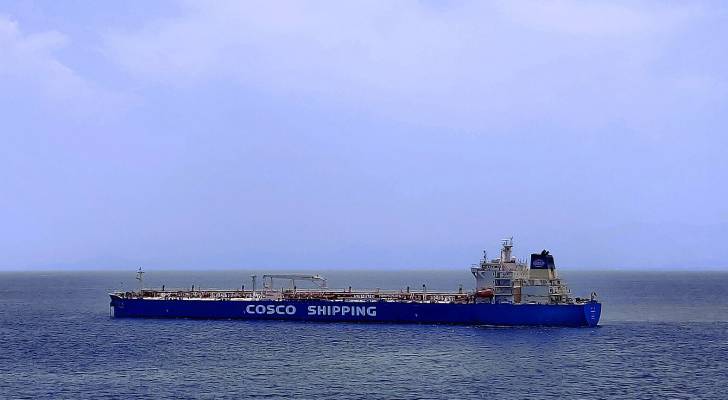
The bounty announcement accompanies an intensifying US campaign targeting Iran’s military and economic networks amid heightened tensions between Washington and Tehran. US Central Command (CENTCOM) reported that US forces redirected 71 commercial vessels as part of efforts to enforce a naval blockade against Iran. In a post on X, CENTCOM stated that three vessels had been disabled and two others boarded during ongoing enforcement operations, while more than 40 vessels carrying humanitarian aid were allowed to pass through.
Media additions
Diplomatic maneuvers have unfolded in parallel with military pressure. Following a visit to Paris by Saudi Crown Prince Mohammed bin Salman, Saudi Arabia and France issued a joint statement calling for a negotiated solution to tensions involving Iran and urging Tehran to resume full cooperation with the UN nuclear watchdog, the International Atomic Energy Agency (IAEA). The two countries said diplomacy should ensure the peaceful nature of Iran’s nuclear programme and help prevent further regional escalation. Meanwhile, US President Donald Trump spoke by phone with Pakistan’s army chief, Field Marshal Asim Munir, ahead of Munir’s visit to Tehran, according to news reports citing sources familiar with the conversation. According to one source, Trump’s main request was for Pakistan to use its influence with Iran to encourage Tehran to return to negotiations.
Economic pressure on Tehran has simultaneously escalated. US Treasury Secretary Scott Bessent announced a major economic offensive, describing it as an "economic D-Day" coming for Iran. Speaking to reporters, Bessent stated that Washington is giving foreign entities doing business with Iran an opportunity to end those ties before secondary sanctions are imposed. We are giving everyone the opportunity to remedy bad behavior. Why would I want to blow up the global financial system?
Bessent said, adding that Washington wanted to give a warning shot and level set expectations across five key sectors: digital assets, technology, gold, aviation, and shipping. Bessent warned that no one is above the reach of US sanctions
and that countries or businesses turning Iranian oil revenues into cash would face the hammer of Treasury actions.
The US Treasury has imposed sanctions on nearly 60 Iran-linked entities, individuals, and vessels, targeting networks tied to Iran's nuclear, missile, cyber, and oil sectors, including broker companies supporting Iran's shadow fleet across the United Arab Emirates, Hong Kong, China, Singapore, Switzerland, and Europe. General licenses allowing certain remittance payments to Iran have also been suspended.
Iranian officials have rejected the pressure. State television reported that Economy Minister Ali Madanizadeh stated Iran was fully prepared for US sanctions and that Washington could not cut off the country's financial arteries. Iranian Parliament Speaker and chief negotiator Mohammad Bagher Ghalibaf dismissed Washington's economic threats as bluster in a post on X, writing that The Americans know that no one believes their bluster,
and adding that the United States is not in an economic position to restrict its relations with other countries further. Ghalibaf also met with Pakistan's military chief Field Marshal Asim Munir in Tehran, accusing the US of violating commitments under a memorandum of understanding and undermining regional stability, according to the Mehr News Agency. Mohammad Mokhber, an aide to Supreme Leader Mojtaba Khamenei, wrote on X that 47 years of hostile US strategy had failed and warned that Iran's response would be more decisive than before. Iran's army chief Amir Hatami warned during a speech that Iran would fight for multiple generations to prevent enemies from reshaping the country's map and stated that the military was prepared for any possible scenario.
Regional shipping and security have faced broader disruptions. Yemen’s Houthi group claimed responsibility for a ballistic missile attack on the Saudi-linked oil tanker Amzan in the northern Red Sea off the coast of Yanbu, Saudi Arabia. Houthi military spokesman Yahya Sarea stated the strike was precise and direct, causing a large fire on board. The UK Maritime Trade Operations agency separately reported that a tanker had been struck by an unknown projectile west of Yanbu. The incident coincided with Houthi maritime operations enforcing a blockade against Saudi Arabia.
Additionally, the Persian Gulf Strait Authority announced that Iran had blacklisted 45 tankers accused of violating rules for crossing the Strait of Hormuz, warning of fines, detention, and cargo confiscation. The restricted vessels include ships owned by UAE-based ADNOC Logistics and Shipping, its subsidiary Navig8 Tankers, and Saudi Arabia's Bahri. Meanwhile, Iranian foreign ministry spokesperson Esmail Baqaei stated during a press conference that Iran had not received an invitation to join the Saudi Arabia-Türkiye-Pakistan Mecca Defence Pact, though proposals had been made for discussions regarding regional security.
Global economic impacts have also surfaced. German Finance Minister Lars Klingbeil blamed global uncertainty triggered by Donald Trump’s actions in Iran for a surge in Germany’s 30-year government bond yield, which reached 3.79 per cent. In South Korea, the Marine Corps announced that the US had cancelled a joint amphibious landing exercise known as Ssangyong scheduled for the following month, citing constraints on US force availability due to the war in Iran.
How significant is this development?
Contribute your assessment to the aggregated reader sentiment ledger.
Frequently Asked Questions
Key questions answered in this reportWhat is the key development in: US offers up to $10 million for information on senior IRGC leaders?
The United States has issued a bounty of up to $10 million for five senior commanders of Iran's Islamic Revolutionary Guard Corps amid escalating sanctions and maritime enforcement.
Why is this World development significant for the UK?
This report covers critical events in our World beat. Independent reporting monitors related UK statements, regulatory shifts, and public responses as further verified details emerge.
How was this reporting corroborated and verified?
Newsarchy UK compiles and cross-references reporting from primary reporting from timesofindia.indiatimes.com and cross-checked wire reports. All coverage adheres to published editorial standards.
When was this report published?
This briefing was published on August 25, 2026 and is permanently cataloged in the Newsarchy UK World archives.


