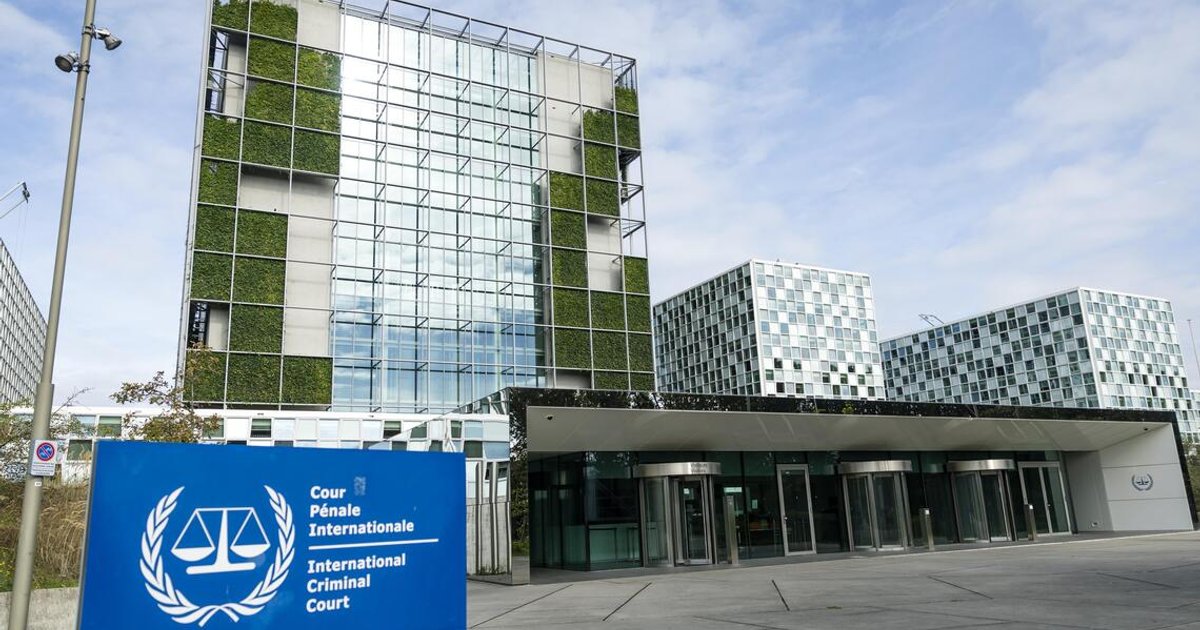
US sanctions ICC president Tomoko Akane and senior lawyer Abdoulaye Seye
The Trump administration escalated its campaign against the International Criminal Court by imposing financial and travel restrictions on ICC President Tomoko Akane and senior lawyer Abdoulaye Seye.

- Core Development: The Trump administration escalated its campaign against the International Criminal Court by imposing financial and travel restrictions on ICC President Tomoko Akane and senior lawyer Abdoulaye Seye.
- Beat Context: Categorized under World with independent corroboration.
- Reporting Depth: 4 minute analytical read synthesized from verified newsroom sources.
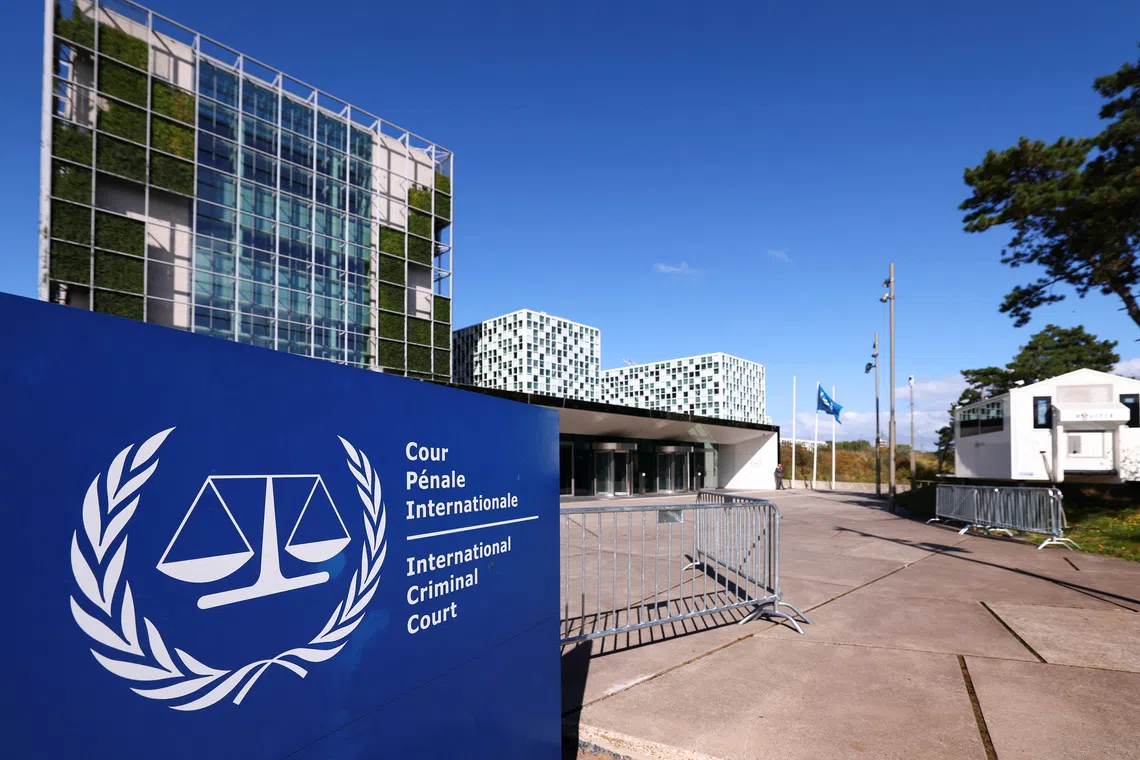
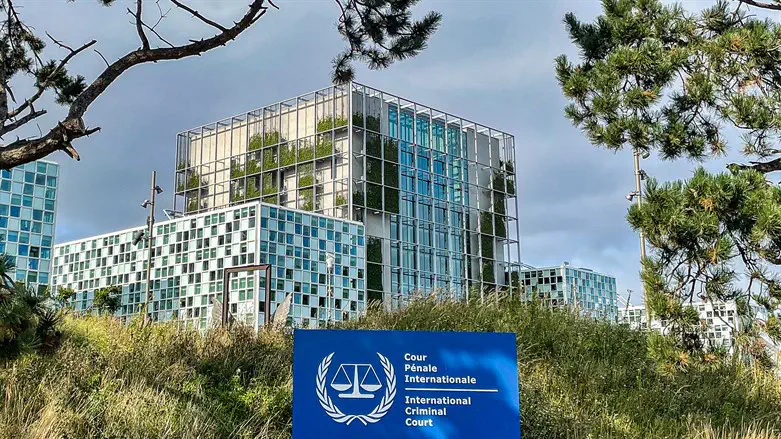
The Trump administration escalated its campaign against international judicial bodies on Tuesday, August 18, 2026, by imposing financial and travel restrictions on the president of the International Criminal Court and one of its senior lawyers. The move is a notable intensification of Washington's efforts to dismantle the tribunal based in The Hague, which was originally established in 2002 to prosecute genocide, war crimes, and crimes against humanity according to reporting by The Straits Times.
According to announcements made by US Secretary of State Marco Rubio, the targeted officials are ICC President Tomoko Akane, a Japanese national and judge, and Abdoulaye Seye, a senior trial lawyer from Senegal who has been nominated for election as an ICC judge. Seye served on the prosecution team that sought an arrest warrant for Israeli Prime Minister Benjamin Netanyahu over alleged war crimes in Gaza. Neither the United States nor Israel is a member of the court, though the Palestinian Authority joined in 2015.
Media additions

Rubio defended the designations by accusing the tribunal of overstepping its legal boundaries. "The Trump Administration has been clear: the International Criminal Court is a corrupt and fatally politicized supranational court that has maliciously abused its authority and exceeded its mandate," Rubio said in an official statement, adding that Washington will not tolerate its assault on state sovereignty.
The penalties freeze any assets the individuals hold within U.S. Jurisdictions and effectively cut them off from the global financial system due to its heavy reliance on U.S. Banking connections, as detailed by Nikkei Asia. At the same time, the Treasury Department issued a general licence allowing for the wind-down of transactions involving Akane and Seye through September 17.
The ICC fired back swiftly, releasing a statement condemning the measures as a direct threat to global jurisprudence. When judicial actors are threatened for applying the law, it is the international legal order itself that is placed at risk,
the court stated, echoing its previous responses to Washington's actions.
The diplomatic rift builds upon a series of prior escalations. Last year, the Trump administration targeted at least 11 court officials—including nine judges and former chief prosecutor Karim Khan—citing investigations into U.S. Military actions in Afghanistan as well as warrants issued for Israeli leadership, including Netanyahu and former defense minister Yoav Gallant.
Reactions to the new sanctions split sharply along geopolitical lines. Israeli Prime Minister Benjamin Netanyahu praised the announcement, branding the tribunal a kangaroo court that cloaks its abuse of power in the language of international law while undermining the very principles of justice.
Conversely, human rights advocates and legal organizations condemned the White House's actions.
Balkees Jarrah, Middle East and North Africa director at Human Rights Watch, criticized the designations as the latest example of the Trump administration’s utter contempt for international law and a naked attempt to shield American and Israeli officials implicated in serious crimes from justice.
Jarrah called on ICC member states to strongly condemn the misuse of sanctions and ensure the court can continue investigating atrocities in regions such as Afghanistan, Palestine, Sudan, and Ukraine.
Legal battles are already underway in response to the pressure campaign. In June, three ICC judges filed a lawsuit against the Trump administration arguing that the sanctions are unlawful. Separate legal challenges have been brought by advocacy groups claiming the U.S. Measures infringe on constitutional rights. Meanwhile, Rubio asserted last month that Washington is pursuing a broader diplomatic campaign to persuade other nations to withdraw from the court entirely, claiming the institution threatens American personnel involved in military strikes and hardline immigration enforcement.
Key Developments and Timeline
- 2002: The International Criminal Court is established to prosecute international atrocity crimes.
- 2015: The Palestinian Authority joins the court, granting it jurisdictional reach over Palestinian territories.
- 2025: President Donald Trump issues an executive order authorizing sanctions against the ICC, leading to penalties against multiple judges and prosecutors.
- June 2026: Three ICC judges file a federal lawsuit against the Trump administration over the sanctions.
- August 11, 2026: Human Rights Watch and allied organizations file an additional federal lawsuit challenging the sanctions.
- August 18, 2026: The U.S. Targets ICC President Tomoko Akane and senior trial lawyer Abdoulaye Seye with asset freezes.
As the diplomatic and legal confrontation deepens, observers are tracking how international institutions and member states will respond to Washington's financial squeeze on the world's permanent war crimes tribunal.
How significant is this development?
Contribute your assessment to the aggregated reader sentiment ledger.
Frequently Asked Questions
Key questions answered in this reportWhat is the key development in: US sanctions ICC president Tomoko Akane and senior lawyer Abdoulaye Seye?
The Trump administration escalated its campaign against the International Criminal Court by imposing financial and travel restrictions on ICC President Tomoko Akane and senior lawyer Abdoulaye Seye.
Why is this World development significant for the UK?
This report covers critical events in our World beat. Independent reporting monitors related UK statements, regulatory shifts, and public responses as further verified details emerge.
How was this reporting corroborated and verified?
Newsarchy UK compiles and cross-references reporting from primary reporting from asia.nikkei.com and cross-checked wire reports. All coverage adheres to published editorial standards.
When was this report published?
This briefing was published on August 19, 2026 and is permanently cataloged in the Newsarchy UK World archives.