US carries out 12th night of strikes on Iran as Houthis hit Saudi tanker
U.S. forces have conducted strikes against Iranian military targets following Houthi attacks on Saudi-flagged tankers. The escalation has impacted energy markets, with Brent crude reaching $100 per barrel.
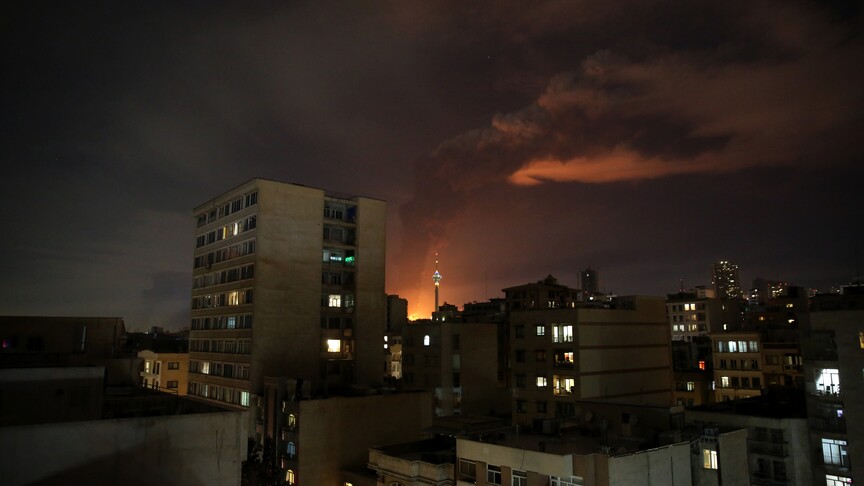
- Core Development: U.S. forces have conducted strikes against Iranian military targets following Houthi attacks on Saudi-flagged tankers. The escalation has impacted energy markets, with Brent crude reaching $100 per barrel.
- Beat Context: Categorized under World with independent corroboration.
- Reporting Depth: 3 minute analytical read synthesized from verified newsroom sources.
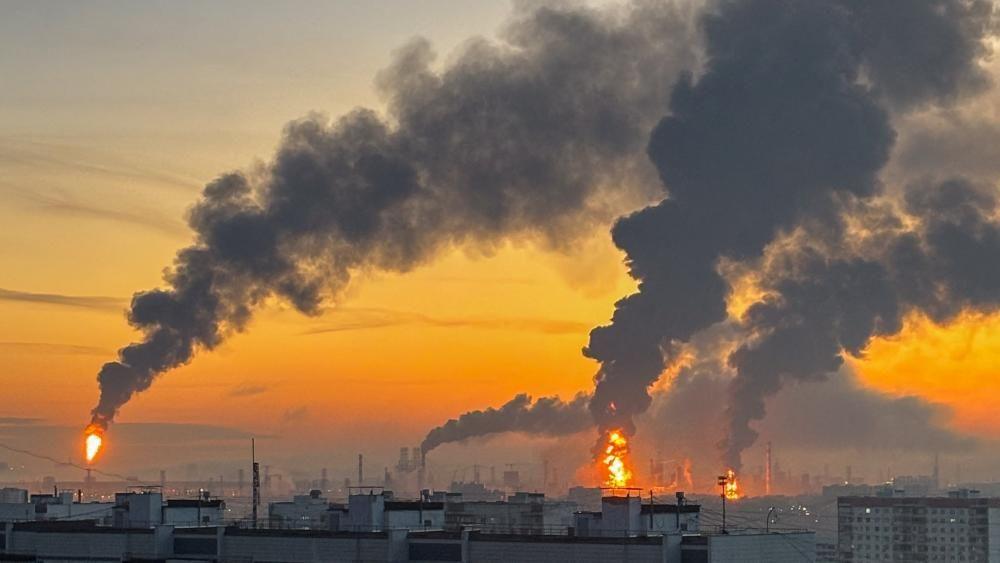
United States Central Command forces completed a 12th consecutive night of military strikes against targets in Iran, with operations concluding at 10:30 p.m. ET on July 22. The strikes, ordered by President Donald Trump, focused on Iranian maritime capabilities, missile and drone storage facilities, coastal surveillance sites, and air defense assets. According to CENTCOM, these actions are intended to degrade Iran’s capacity to threaten commercial vessels and civilian mariners transiting the region.
This military engagement coincides with an escalation in the Red Sea. Houthi military spokesman Yahya Sarea stated that the group targeted two Saudi-flagged tankers, the Encelia and the Layla, employing missiles and drones. The Saudi Press Agency confirmed that the Encelia was struck late on Wednesday, resulting in a fire at the bow of the vessel. Data from MarineTraffic showed the tanker slowing down and reporting being "Not Under Command" before coming to a stop near the Farasan Islands. The Saudi Transport General Authority reported that all crew members on the Encelia were safe, characterizing the incident as a violation of international law. No confirmation of an attack on the Layla has been provided.
Media additions
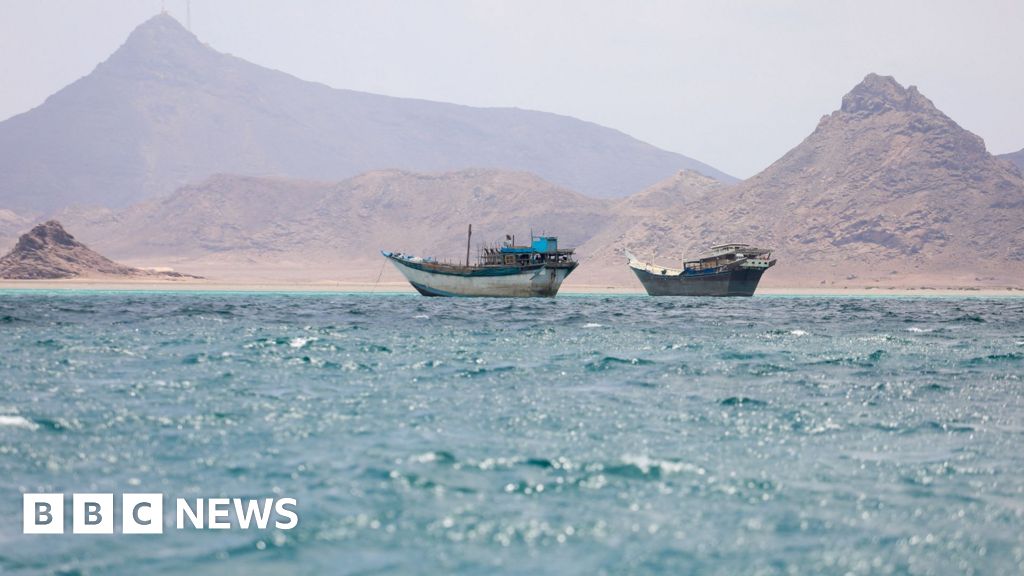
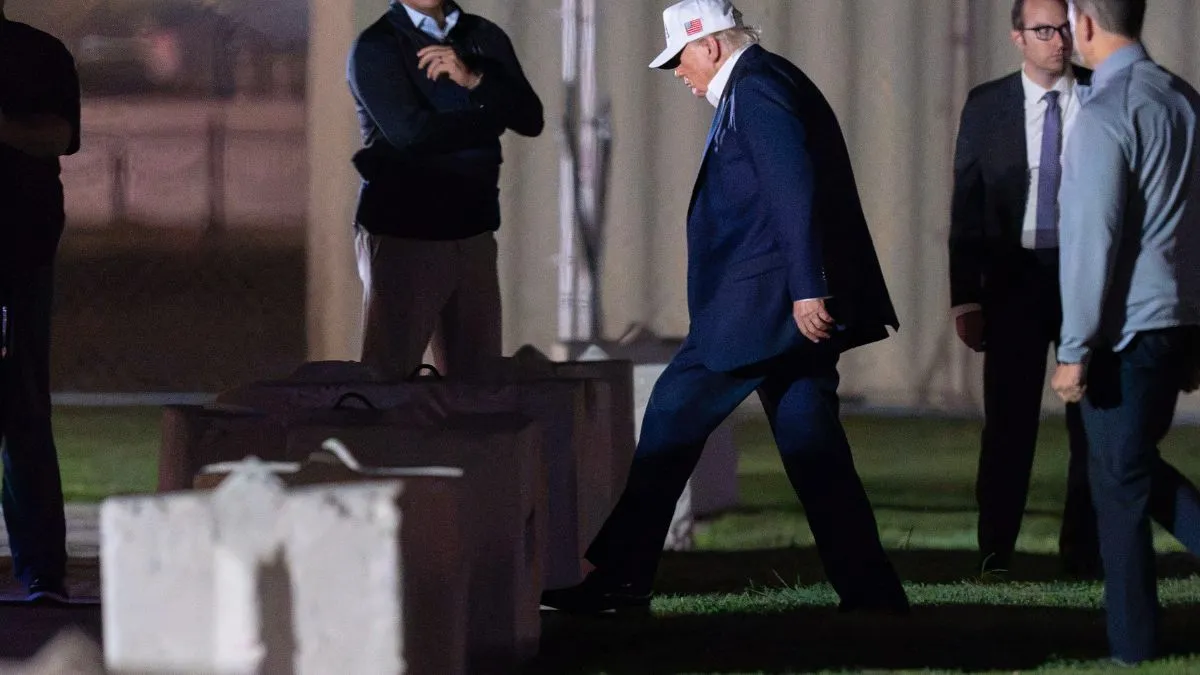
In response to the targeting of the Saudi vessels, President Trump issued a public warning regarding potential future strikes:
"Unfortunately, now they are starting up again, shooting at two Saudi Arabian ships last night. Please let this TRUTH serve to represent that if they do this again, the U.S. will hold Iran responsible, in that the Houthis are a Surrogate and/or Proxy of Iran, and major military punishment will be inflicted upon Iran and, of course, the Houthis, themselves."
Donald Trump, President, via Truth Social
U.S. Secretary of State Marco Rubio suggested that the Houthis had been suckered into this
by Tehran. Concurrently, the Islamic Revolutionary Guard Corps issued a warning to the United Kingdom, stating that any military base used to facilitate attacks against Iran would be targeted. This warning followed reports that long-range U.S. B-1 bombers involved in the strikes had departed from RAF Fairford in Gloucestershire. The UK government affirmed that its armed forces remain prepared to ensure national safety and noted that Prime Minister Andy Burnham had been briefed on the extension of an agreement allowing the U.S. To utilize British bases for collective regional self-defense, including operations aimed at degrading missile capabilities near the Strait of Hormuz.
The conflict has resulted in significant volatility for global energy markets, with the price of Brent crude rising to $100 a barrel, the highest level recorded since late May. Iranian state media reported that the Strait of Hormuz is effectively closed, describing the waterway as mined and unsafe. Reports from Iranian sources indicated that one tanker caught fire in the strait following an explosion, while two others were forced to retreat. Additionally, Iranian officials claimed that a U.S. Missile strike at the Shalamcheh border crossing with Iraq resulted in two deaths, and reported strikes on targets in the province of Bushehr. Jordan and Kuwait confirmed the interception of missiles and drones launched by Iran.
Despite a framework agreement brokered by Pakistan in June intended to establish a lasting peace, regional hostilities have intensified. CENTCOM stated that more than 50,000 U.S. Service members remain deployed across the Middle East. The U.S. Military has resumed a naval blockade, reporting the redirection of nine commercial vessels to prevent their access to Iranian ports. Oman is currently acting as a regional mediator, signaling efforts to resume discussions between the Houthis and Saudi Arabia.
How significant is this development?
Contribute your assessment to the aggregated reader sentiment ledger.
Frequently Asked Questions
Key questions answered in this reportWhat is the key development in: US carries out 12th night of strikes on Iran as Houthis hit Saudi tanker?
U.S. forces have conducted strikes against Iranian military targets following Houthi attacks on Saudi-flagged tankers. The escalation has impacted energy markets, with Brent crude reaching $100 per barrel.
Why is this World development significant for the UK?
This report covers critical events in our World beat. Independent reporting monitors related UK statements, regulatory shifts, and public responses as further verified details emerge.
How was this reporting corroborated and verified?
Newsarchy UK compiles and cross-references reporting from primary reporting from bbc.com and cross-checked wire reports. All coverage adheres to published editorial standards.
When was this report published?
This briefing was published on July 23, 2026 and is permanently cataloged in the Newsarchy UK World archives.