US tariffs strengthen Lula against Flavio Bolsonaro
Washington's imposition of a twenty-five percent tariff on Brazilian goods has inadvertently galvanized nationalistic support for President Luiz Inacio Lula da Silva, altering the dynamics of the upcoming presidential race against Senator Flávio Bolsonaro.

- Core Development: Washington's imposition of a twenty-five percent tariff on Brazilian goods has inadvertently galvanized nationalistic support for President Luiz Inacio Lula da Silva, altering the dynamics of the upcoming presidential race against Senator Flávio Bolsonaro.
- Beat Context: Categorized under World with independent corroboration.
- Reporting Depth: 4 minute analytical read synthesized from verified newsroom sources.
A wave of diplomatic and economic pressure from Washington is reshaping the domestic political battleground in South America's largest democracy, inadvertently bolstering the incumbent leftist administration ahead of high-stakes national contests. As incumbent President Luiz Inacio Lula da Silva seeks a fourth, non-consecutive term, his campaign is navigating a turbulent landscape defined by foreign trade penalties, judicial interventions, and a high-profile dynastic challenge from the political right.
The shifting dynamics follow a series of measures from the administration of US President Donald Trump, which imposed a twenty-five percent tariff on numerous Brazilian goods. According to reporting by Al Jazeera, Washington justified the levies by claiming Brazil's trade policies were unreasonable, pointing specifically to the state-run Pix payment system, an eighteen percent tariff on American ethanol imports, and insufficient enforcement of domestic deforestation laws that protect timber producers. These economic penalties are part of a broader American strategy to rebuild tariff walls following earlier legal challenges to executive trade powers.
Media additions
Rather than weakening the leftist government, however, the trade pressure has ignited nationalistic sentiment. Analysts note that even conservative voters have reacted negatively to Washington's meddling in domestic political affairs, allowing Lula to successfully cast himself as a staunch defender of national sovereignty. Gimena Sanchez, director for the Andes at the Washington Office on Latin America, observed that the political movement known as Bolsonarismo fears the tariffs are cementing public backing for the incumbent because citizens deeply dislike foreign trade coercion.
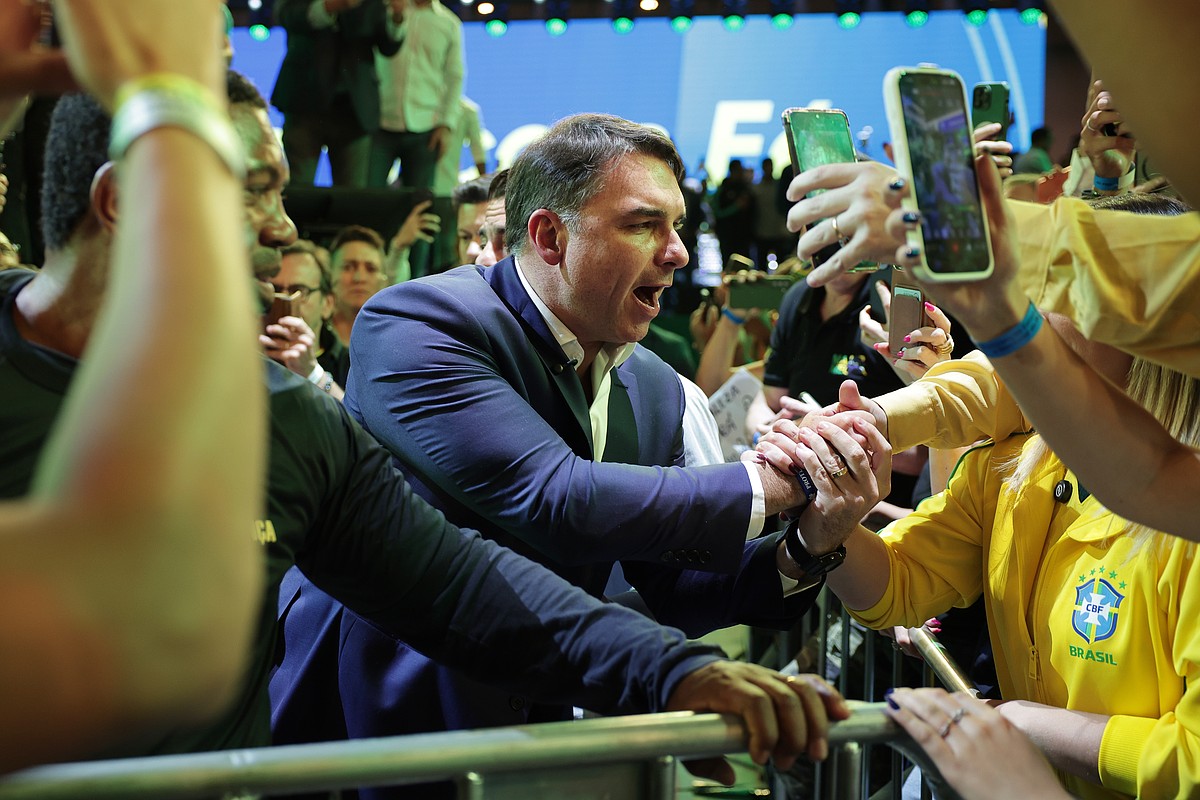
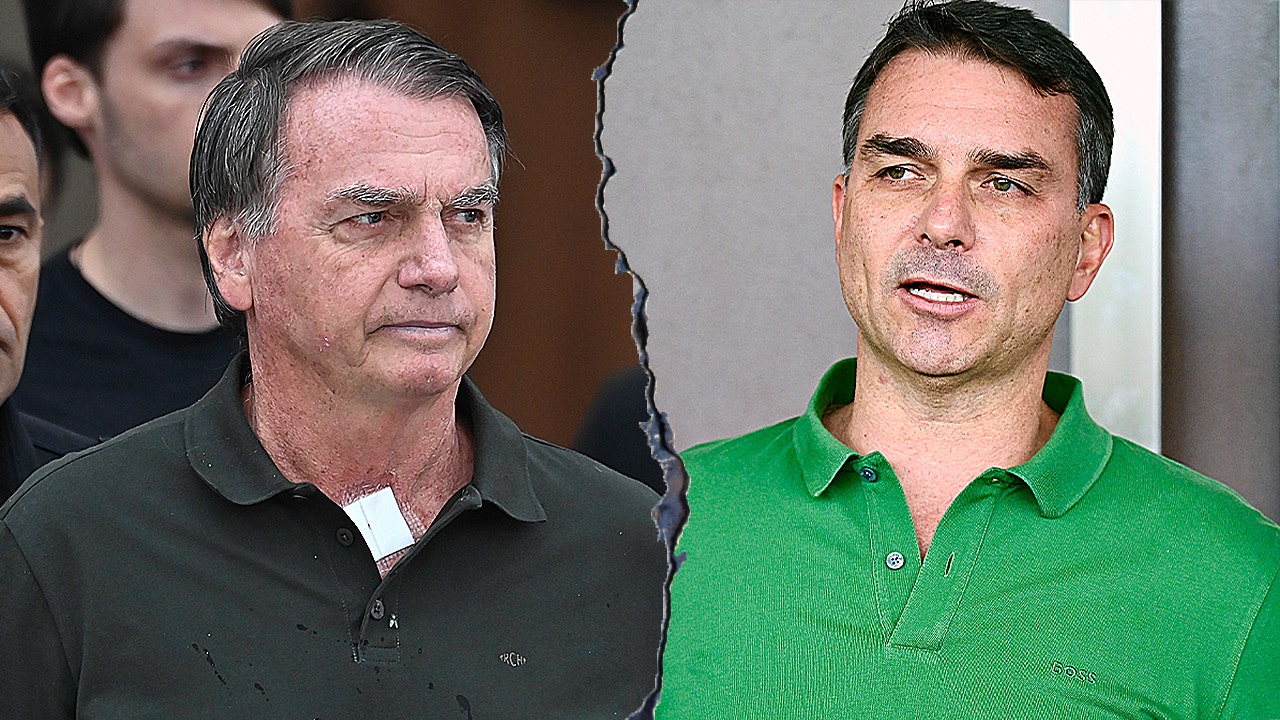
The opposition campaign is led by Senator Flávio Bolsonaro of the Liberal Party, whose presidential bid was formally confirmed during a party convention in São Paulo, as reported by the Chattanooga Times Free Press. The younger Bolsonaro faces substantial hurdles, including a lack of broad centrist party backing and the absence of major political heavyweights at his nomination event. He steps into the race as his father, former President Jair Bolsonaro, serves a twenty-seven-year prison sentence following a conviction for plotting a coup d'état after his 2022 election defeat.
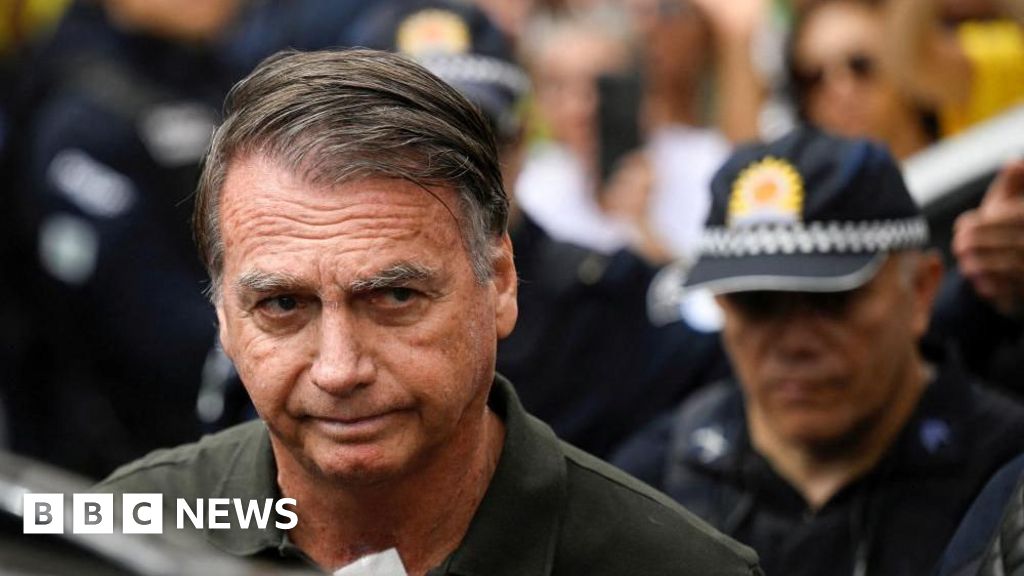
The elder Bolsonaro's legal and medical status continues to generate headlines. A Supreme Court justice recently ruled that the seventy-one-year-old former leader can spend the next three months under house arrest due to poor health, following treatment for pneumonia in an intensive care unit, according to the BBC. The humanitarian transfer follows a turbulent period of imprisonment that included a brief return to a police cell after an incident involving an ankle monitor, which the former president attributed to medication-induced paranoia.
| Candidate | Political Affiliation | Current Status & Key Challenges |
|---|---|---|
| Luiz Inacio Lula da Silva | Leftist / Incumbent | Seeking fourth non-consecutive term; leading in recent run-off polling while navigating US tariff fallout. |
| Flávio Bolsonaro | Liberal Party | Confirmed presidential nominee; lacks centrist coalition support and faces scrutiny over campaign financing questions. |
| Jair Bolsonaro | Liberal Party | Incarcerated former president serving a 27-year sentence, recently granted a 90-day house arrest for medical reasons. |
The political opposition is also contending with potential vote-splitting on the right. Alongside Flávio Bolsonaro, several conservative regional leaders have entered the presidential contest, including governors from Minas Gerais, Paraná, and Goiás. While some observers warn this crowded field could fracture the conservative electorate and advantage the incumbent, figures within the Bolsonaro camp, including Eduardo Bolsonaro, argue that multiple right-wing voices will merely amplify criticism of the current administration before coalescing in a potential second-round run-off.
The electoral calendar is now firmly set. Brazil will hold the first round of the general election on October 4, with a second-round run-off scheduled for October 25 if no candidate secures an outright majority. As campaigns enter their critical phases, voters and analysts alike will be watching whether economic nationalism sparked by foreign trade disputes ultimately outweighs domestic grievances regarding inflation and public security.
How significant is this development?
Contribute your assessment to the aggregated reader sentiment ledger.
Frequently Asked Questions
Key questions answered in this reportWhat is the key development in: US tariffs strengthen Lula against Flavio Bolsonaro?
Washington's imposition of a twenty-five percent tariff on Brazilian goods has inadvertently galvanized nationalistic support for President Luiz Inacio Lula da Silva, altering the dynamics of the upcoming presidential race against Senator Flávio Bolsonaro.
Why is this World development significant for the UK?
This report covers critical events in our World beat. Independent reporting monitors related UK statements, regulatory shifts, and public responses as further verified details emerge.
How was this reporting corroborated and verified?
Newsarchy UK compiles and cross-references reporting from primary reporting from BBC and cross-checked wire reports. All coverage adheres to published editorial standards.
When was this report published?
This briefing was published on September 12, 2026 and is permanently cataloged in the Newsarchy UK World archives.