World's oldest shipwreck - thought to be 4,700 years old - found off coast of Turkey
Archaeologists have discovered an ancient shipwreck off the Turkish coast, dating back between 4,400 and 4,700 years and containing intact amphorae.

- Core Development: Archaeologists have discovered an ancient shipwreck off the Turkish coast, dating back between 4,400 and 4,700 years and containing intact amphorae.
- Beat Context: Categorized under World with independent corroboration.
- Reporting Depth: 3 minute analytical read synthesized from verified newsroom sources.
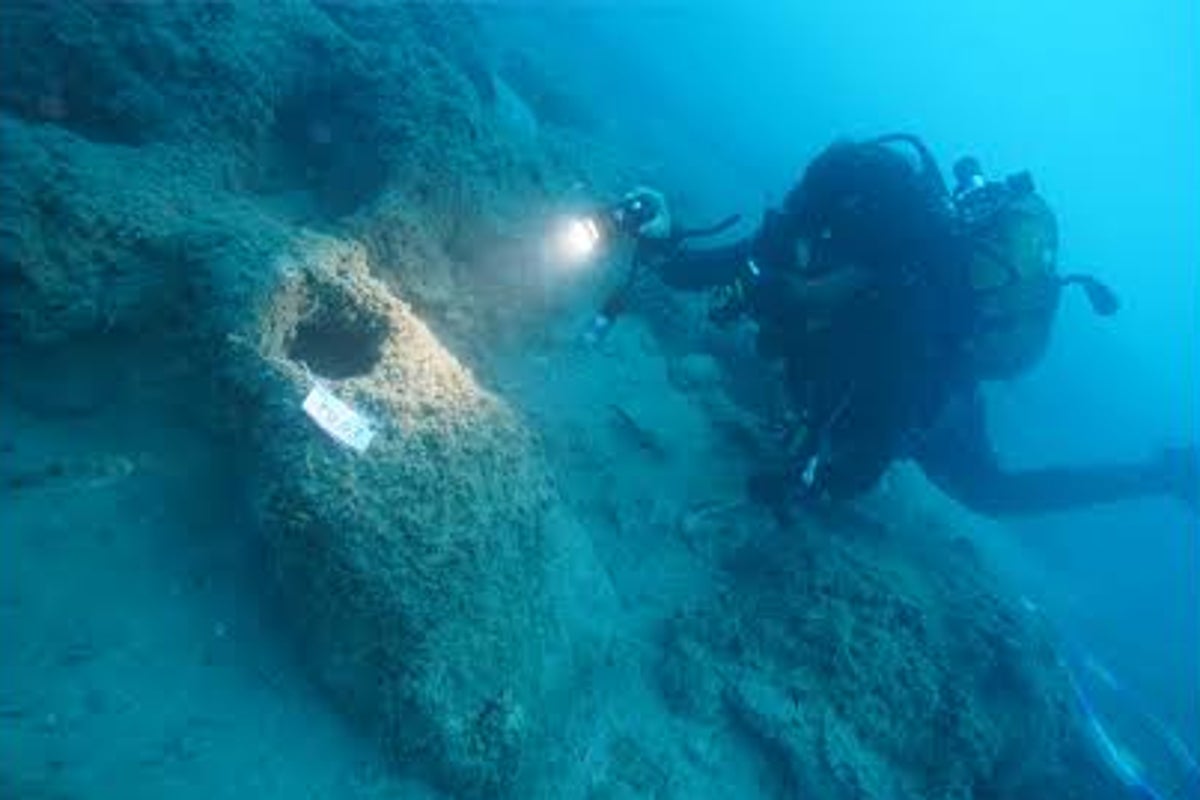
Archaeologists have uncovered what is believed to be the world's oldest known shipwreck in the waters of the Eastern Mediterranean, off the coast of Turkey. Dating back between 4,400 and 4,700 years, the Early Bronze Age merchant vessel was active during the same era that the Great Pyramid of Giza was constructed in Egypt. The discovery, announced in October 2026, challenges the previous record held by a 4,200-year-old wreck found near the Greek island of Dokos.
The expedition was led by Professor Hakan Öniz of Akdeniz University and supported by the Mediterranean Archaeology Association. Initial documentation began during surveys conducted by Akdeniz University before formal excavations commenced under the Antalya Museum Directorate.
Media additions

| Shipwreck Site | Location | Estimated Age | Key Artifacts |
|---|---|---|---|
| Kekova Wreck | Antalya, Turkey | 4,400 – 4,700 years (2600–2400 BC) | 30+ amphorae, 3 stone anchors, preserved residues |
| Dokos Wreck | Dokos Island, Greece | ~4,200 years (approx. 2200 BC) | Ceramic cargo assemblage |
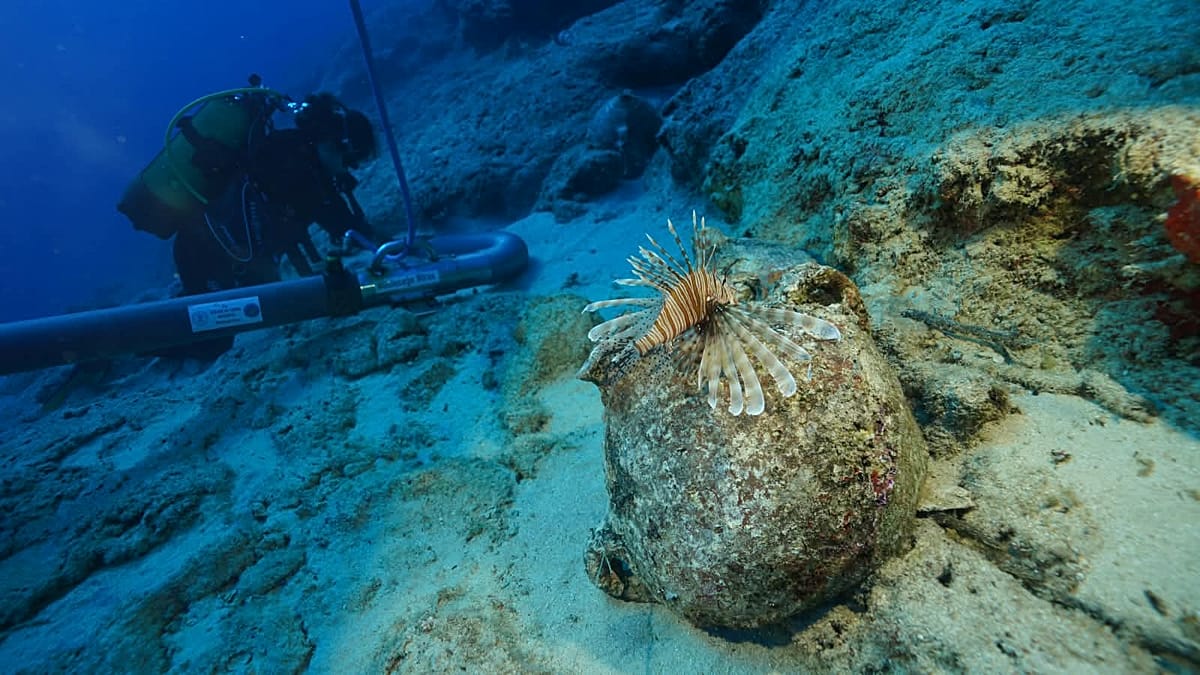
Because seawater and time completely dissolved the approximately 10-metre wooden hull, radiocarbon dating was impossible. Instead, researchers established the vessel's age by analyzing the typology of the cargo. The ceramic storage containers feature flat bases, two handles, and central ridges characteristic of the Early Bronze Age. According to Professor Hakan Öniz, the team is completely confident in the dating.
"We can say with 100% certainty that the ship belongs to the Early Bronze Age. We are the first people to touch these objects in 5,000 years."
Professor Hakan Öniz, Akdeniz University, via Ara
The cargo yields vital clues about ancient trade routes connecting the Levant, Egypt, and Anatolia. Clay analyses indicate that the amphorae were likely manufactured in workshops located in the Jordan Valley. Similar pottery styles discovered near the pyramids of Giza, Saqqara, Abusir, Troy, and Minoan Crete reveal an expansive trade network spanning the eastern Mediterranean. Researchers believe the vessel was travelling from east to west, potentially bound for ancient Troy or Crete, when it encountered the treacherous currents and winds common around Kekova Island.
Scientists analyzing the interior of the jars encountered unexpected preservation. Dr. Karin Sowada, an archaeologist from Macquarie University in Australia who examined the finds, recounted her astonishment to The Mirror.
"I looked inside and nearly fainted. I could not believe how much [residue] was visible. It wasn't just like spots…. a lot of this material was still remaining."
Dr. Karin Sowada, Macquarie University, via The Mirror
Laboratory testing is ongoing to determine whether the glossy, viscous substances inside the jars are olive oil, wine, or natural tree resins. Experts note that because amphorae were exceptionally valuable and reusable, these large vessels may have circulated through various ports for decades before embarking on their final voyage.
One specific container has drawn particular fascination from researchers. The vessel features nine distinct markings and two holes in its body, leading experts to suggest it functioned as a churning amphora for producing cheese or butter. This discovery opens new avenues of inquiry into maritime provisions, suggesting that ancient sailors may have transported live goats on board, milking them during extended voyages to sustain the crew.
Turkey’s Culture and Tourism Minister, Mehmet Nuri Ersoy, praised the collaborative efforts of the excavation teams in bringing traces of the "Blue Homeland" to light. The recovered artefacts are currently undergoing conservation and scientific examination. They will eventually be exhibited at the new Mediterranean Underwater Archaeology Museum in Antalya, which is expected to open its doors in the coming months.
How significant is this development?
Contribute your assessment to the aggregated reader sentiment ledger.
Frequently Asked Questions
Key questions answered in this reportWhat is the key development in: World's oldest shipwreck - thought to be 4,700 years old - found off coast of Turkey?
Archaeologists have discovered an ancient shipwreck off the Turkish coast, dating back between 4,400 and 4,700 years and containing intact amphorae.
Why is this World development significant for the UK?
This report covers critical events in our World beat. Independent reporting monitors related UK statements, regulatory shifts, and public responses as further verified details emerge.
How was this reporting corroborated and verified?
Newsarchy UK compiles and cross-references reporting from primary reporting from Marine Insight and cross-checked wire reports. All coverage adheres to published editorial standards.
When was this report published?
This briefing was published on October 14, 2026 and is permanently cataloged in the Newsarchy UK World archives.